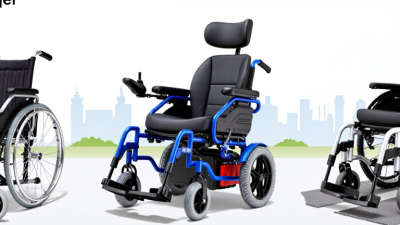

Choosing the best mobile wheelchair is not simply a matter of picking the lightest model or the longest advertised range. The right choice depends on the person using it, where it will travel, and how it will be transported. A chair that works well on smooth indoor floors may feel less stable on uneven pavement. A compact frame may fit neatly into a car trunk, yet offer less seating space or comfort.
Start with practical details. Measure doorways, turning spaces, and the vehicle’s storage area. Check the wheelchair’s weight, folded dimensions, maximum user weight, battery range, and charging time. Ask whether the seat, armrests, and footrests can be adjusted. If possible, test the controls in a quiet, open area; joystick sensitivity can feel different from what product photos suggest. Small details matter.
Comfort deserves careful attention. Seat width, cushioning, posture support, and ease of transfers can affect everyday use, especially during longer outings. A healthcare professional or rehabilitation specialist can help assess mobility and seating needs. A reputable supplier should explain specifications clearly and arrange a suitable demonstration when available. Compare the warranty and service options, too; battery replacement and repairs may shape the real cost over time.
There is no perfect model for everyone. That is not always obvious. Online reviews can help, but they cannot fully predict how a chair will handle a familiar hallway, a sloped sidewalk, or a full day away from home. Even a careful choice may need adjustment. The sections below explore the features, fit, portability, and safety considerations that can help you choose a mobile wheelchair with greater confidence.

“Mobile wheelchair” is a broad term for a wheelchair intended to make everyday movement and transport easier. It may refer to a lightweight manual chair, a foldable powered chair, or a transport chair pushed by a companion. These designs are not interchangeable. A transport chair, for example, usually requires someone else to push it.
Mobile wheelchairs can serve people who have difficulty walking longer distances, tire easily, or need support while recovering from an injury. They may help with trips through a clinic, a crowded shop, or an airport terminal. The right option depends on the user’s strength, balance, posture, and usual surroundings. Small details matter. A chair that fits through the front doorway may still feel awkward on a narrow bathroom turn.
Think about who will operate the chair and how it will travel. Check seat width, foot support, brakes, folded size, and the effort needed to lift or push it. For powered models, consider control access and battery range against real outings, not ideal conditions. A healthcare professional or mobility specialist can assess fit and safe use, especially when posture or transfers are concerns. It is easy to focus on portability and overlook comfort; that trade-off deserves a closer look.

Identifying mobility needs should come before comparing wheelchair features. Ask how far you travel daily, how often you transfer, and whether fatigue changes your performance. The World Health Organization and UNICEF reported in 2022 that more than 2.5 billion people need assistive products worldwide. Access remains unequal, so a careful assessment matters.
Measure the real environment. A narrow bathroom, uneven pavement, or a steep apartment ramp can change your choice. Check the wheelchair’s turning radius, seat width, footrest position, and total weight. For powered models, review battery range, charging time, and outdoor stability. For manual models, consider propulsion strength and caregiver support. An occupational therapist or qualified wheelchair professional can assess posture, pressure risks, and transfer safety.
A trial matters more than a showroom promise.
Think about transport, too. Will the chair fit inside your vehicle? Can you lift it without twisting your back? WHO estimates that the need for assistive technology may rise to 3.5 billion people by 2050. That growth should encourage better planning, not rushed purchasing.
A lighter chair is not always better. A longer battery range may still disappoint on cold days, hills, or crowded routes. My own practical lesson is simple: write down your usual journey, test the chair there, and accept that the first choice may need revision.
Choosing a mobile wheelchair means matching its design to daily routes, transport, and personal strength. Manual chairs are lighter and often easier to lift into a car, but they require upper-body effort or a caregiver. Power chairs reduce pushing, though batteries, turning space, and charging access matter. Folding models suit tight storage; rigid frames can feel steadier but may be harder to transport. Measure doorways, seat width, and the car’s loading space before deciding. Small details matter: a footplate catching a doorway can disrupt an otherwise simple trip.
Accessibility is more than the chair itself. Check curb cuts, elevator dimensions, accessible toilets, and the surface between the entrance and destination. The WHO and UNICEF’s 2022 Global Report on Assistive Technology estimates that more than 2.5 billion people need one or more assistive products, while nearly one billion lack access. That broad figure includes many products, not wheelchairs alone, but it highlights why availability and suitable fitting matter. A qualified seating professional can assess posture, pressure risks, and control needs; one short fitting may not answer everything.
Tips: Test the chair on the surfaces you actually use, including a doorway threshold or uneven pavement. Ask about battery range under real-world conditions, repair access, and transport weight. Bring a caregiver if they will help lift or steer. And be honest about trade-offs: the lightest option may not be the most comfortable.
| Wheelchair type | How it moves | Portability and transport | Typical strengths | Points to check | Accessibility considerations |
|---|---|---|---|---|---|
| Standard manual wheelchair | Pushed by a companion or propelled by the user using the rear wheels. | Many models fold for storage; folded size and lifting weight vary by design. | A practical option for short trips, occasional use, or users who can self-propel or have assistance. | Check seat width and depth, overall width, armrest and footrest setup, brakes, and the effort needed to propel it. | Measure doorways and turning spaces. Ramps, thresholds, and uneven surfaces may require assistance or a different configuration. |
| Lightweight or active manual wheelchair | Usually self-propelled using hand rims; some configurations are designed for attendant assistance. | Often designed to be easier to lift or maneuver than many standard models; folding and rigid-frame designs are available. | Can suit frequent daily use and users who have the strength, balance, and skills to propel a manual chair. | Fit, posture, wheel position, cushion, and propulsion technique matter. A specialist fitting can help reduce unnecessary strain. | Consider accessible routes, surface conditions, curb cuts, and whether the user can manage slopes and longer distances. |
| Transport wheelchair | Pushed by a companion; typically has smaller rear wheels than a self-propelled chair. | Often folds and is intended for easier storage and transport; actual weight and folded dimensions vary. | Useful for appointments, outings, and situations where a companion will do the pushing. | The user generally cannot propel it independently with the rear wheels. Check caregiver lifting capacity and occupant weight limits. | Confirm the route is manageable for the attendant, including ramps, slopes, and uneven pavement. |
| Power wheelchair | Battery-powered motors are controlled through a joystick or another suitable input. | Typically heavier than manual chairs. Some models can be disassembled or folded, but transport may require a vehicle lift or ramp. | Can support independent mobility when manual propulsion is difficult or not practical; seating and control options vary. | Check turning radius, battery charging, service needs, terrain suitability, control access, and whether the chair fits the intended vehicle. | Plan for accessible charging, doorway clearance, ramp slope, indoor turning space, and backup arrangements if the battery needs attention. |
| Portable folding power wheelchair | Battery-powered; controls and drive layout depend on the model. | Designed to fold for storage, but folding does not necessarily make it light enough to lift without assistance. | May be convenient for trips when powered mobility and more compact storage are both priorities. | Compare folded dimensions, total and component weights, battery range claims, charging time, and the manufacturer’s transport instructions. | Verify that the folded chair fits the vehicle and that it can be safely secured. Check airline rules and battery requirements before flying. |
| Mobility scooter | Battery-powered, usually controlled with handlebars or a tiller; it is not a wheelchair. | Some models disassemble or fold, while others are larger and need a vehicle lift or ramp. | May suit people who can sit upright, steer, and transfer on and off the seat safely. | Assess balance, hand control, turning space, ground clearance, and the ability to transfer; seating and positioning options may differ from a wheelchair. | Check accessible routes, storage, charging, and local rules for where scooters may be used. |
Selection checklist: Measure the user and the spaces the chair must pass through; consider daily distance, terrain, transfer needs, caregiver support, vehicle access, and seating comfort. Product weights, dimensions, capacity, and battery performance vary by model and configuration. Consult a qualified rehabilitation professional or wheelchair supplier for individualized fitting and advice.
How to Choose the Best Mobile Wheelchair?
A suitable mobile wheelchair should fit the user, not merely fit through a doorway. Measure seat width, depth, back height, and footrest position with professional guidance. An occupational therapist or qualified seating specialist can identify pressure risks and posture problems. A seat that feels acceptable for ten minutes may become painful after an hour. Check whether the user can reach the wheels, brakes, and controls without leaning dangerously. Small adjustments can make a major difference.
Comfort depends on more than cushioning. Look for breathable materials, stable back support, and armrests that do not restrict transfers. Safety requires dependable brakes, secure footrests, anti-tip protection, and a frame that feels steady on uneven surfaces. Test the chair indoors and outdoors when possible. A ramp may expose weaknesses that a showroom floor hides. I once underestimated turning space; real homes often have tighter corners than expected.
Tips: Measure the vehicle’s trunk before purchasing. Confirm the folded weight, lifting points, and whether one person can manage it safely. Ask how the chair performs on slopes, wet ground, and rough paths. Check the user’s daily routine, not just occasional trips. Comfort and transport can conflict. A lighter chair may be easier to lift but less stable. Reconsider the choice after a trial period, because first impressions are not always reliable.
Use these ADA reference dimensions when checking whether a wheelchair can pass through doors, travel along routes, and turn in the spaces you use. They describe the built environment—not wheelchair specifications—and local requirements may vary.
How to Choose the Best Mobile Wheelchair?
Choosing a mobile wheelchair requires more than comparing purchase prices. Consider the total cost, including batteries, tires, cushions, servicing, and possible repairs. A cheaper chair may become expensive after repeated maintenance. Ask for a written estimate before deciding. A qualified wheelchair specialist can assess posture, leg position, hand control, and daily mobility needs. During a fitting, check whether the seat feels stable and whether the controls are easy to reach. Small details matter. Measure doorways, vehicle storage space, ramps, and the turning area at home.
Tips: Compare warranties, service response times, spare-part availability, and battery replacement costs. Ask whether support is available locally. Test the wheelchair on smooth floors, uneven paths, and gentle slopes. Bring your usual cushion or footrests during the trial. An attractive design is not always practical.
Maintenance should fit your routine. Check tire pressure, brakes, joystick response, frame joints, and battery connections regularly. Keep a simple service record with dates and observed problems. Reliable support can prevent a minor fault from becoming a dangerous interruption. Ask who handles repairs and how long typical parts take to arrive. It is easy to overestimate your range or underestimate transport challenges. A realistic trial may reveal uncomfortable truths. A wheelchair that performs well indoors may struggle outside, especially in rain or on rough pavement. Reconsider the choice if daily use feels tiring, unstable, or difficult to control.