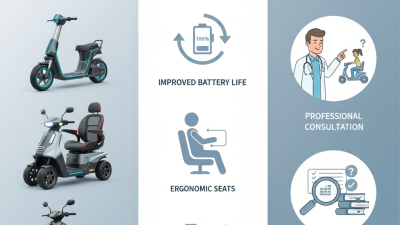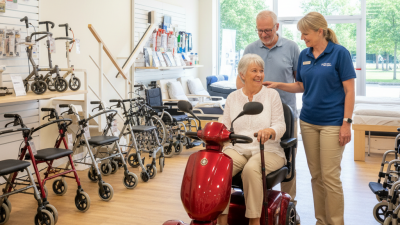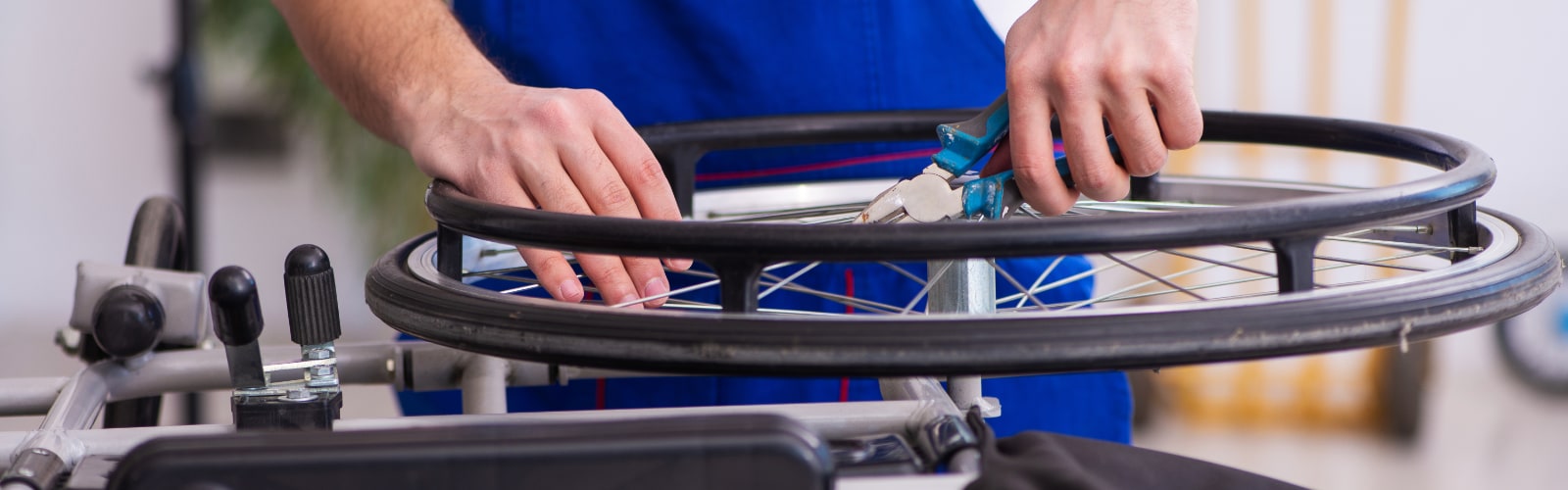

Choosing a power chair manufacturer in China involves more than comparing catalogue prices. Buyers should examine frame design, motor performance, battery options, controller response, and seating adjustments. Small details matter. A chair that turns smoothly indoors may still struggle on uneven paths or steep ramps. Suitability depends on the user’s size, daily routes, transfer needs, and caregiver support.
China has suppliers with different strengths, from high-volume production to customized seating and export support. Their product ranges and service capabilities can vary considerably. A polished website is not proof of consistent quality. Request current specifications, clear warranty terms, user manuals, and relevant test documents. Where possible, inspect a sample or arrange a factory review. Confirm that the proposed model can be serviced in the buyer’s destination market, including access to replacement batteries and parts.
Comparisons should also consider lead times, communication, packaging, and after-sales response. These points are easy to overlook when a quotation looks attractive. Some details may remain difficult to verify from a distance; treat that uncertainty as a reason to ask better questions, not as proof of a problem. This guide introduces notable manufacturers and practical criteria for evaluating them. It does not assume one supplier fits every buyer. The right choice depends on the chair’s intended use, evidence of product quality, and support available after delivery.
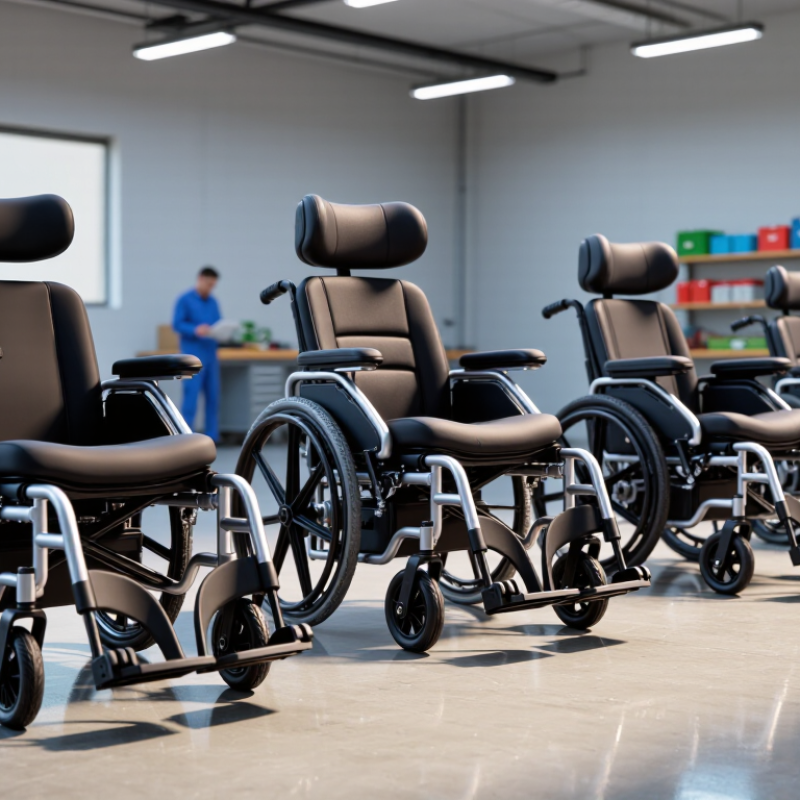
A power chair is a battery-powered mobility device controlled by a joystick or another input. It helps users move without manually pushing large wheels. Buyers should consider the person’s posture, strength, vision, and daily routes, not just the chair’s listed features.
Fit matters. Seat width and depth affect comfort and pressure distribution, while adjustable footrests can support a stable sitting position. A narrow hallway, a sharp kitchen turn, or a raised doorway can reveal whether the chair’s dimensions and turning radius work at home. Test the controls, too. Small joystick movements should feel manageable, and the user should be able to stop confidently.
Battery range needs to match real routines, including hills, frequent stops, and heavier loads. Ask how charging, battery replacement, maintenance, and local servicing are handled. Check weight capacity, braking behavior, and suitability for indoor or outdoor surfaces against the manufacturer’s specifications. Catalog numbers can mislead; a chair that looks suitable may feel cramped after an hour. If possible, arrange a supervised trial with the intended user and caregiver. A short test is useful, but it may not reveal every comfort issue.
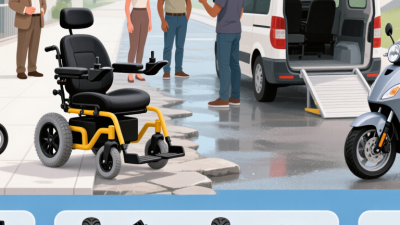
A power chair is a mobility device driven by an electric motor and controlled by the user, commonly with a joystick. The chart ranks practical buyer checks on a qualitative 1–5 scale; it is a screening guide, not survey data or a product rating.
Before choosing a model, confirm fit and seating needs, user weight capacity, battery range for daily travel, terrain suitability, portability, and access to servicing and replacement parts.
China’s power chair manufacturers differ in more than price. Some focus on compact indoor models, with tight turning radii and folding frames. Others build heavier chairs with larger wheels, reinforced seating, and suspension for uneven paths. The right comparison starts with the user’s daily route, not a catalog photo. A narrow apartment hallway changes what matters.
Production methods vary too. One factory may make frames, assemble electronics, and test finished chairs under one roof. Another may source key parts from specialist suppliers. Neither approach guarantees quality by itself. Ask how incoming motors, batteries, brakes, and controllers are checked, and whether each finished unit gets a documented function test. Details matter.
Customization can reveal another difference. Some manufacturers handle seat widths, joystick placement, or control settings as routine options; others treat them as special orders with longer lead times. Request a sample, but do not judge only its smooth showroom ride. A polished sample can mislead; it is easy to overvalue one chair and undercheck batch consistency. Ask for inspection records from recent production, replacement-part availability, and clear answers about warranty handling. Not always easy. A supplier’s response to a specific technical question can be more useful than a broad promise of quality.
For buyers comparing power chair manufacturers in China, advertised range is only a starting point. ISO 7176-4 offers a repeatable method for determining a wheelchair’s theoretical driving distance from measured energy consumption. This makes test results more useful than figures based on unspecified road conditions.
Check that competing models were tested using comparable procedures and clearly stated settings. Ask for the full test report, including battery configuration, occupant load, tire pressure, and test conditions. Small differences can shift the result. A chair tested with a lighter load may travel farther, but that figure may not reflect everyday use. Look for the ISO 7176-4 method, not just an “ISO tested” label.
Then compare the certified result with your actual routes. A 30-kilometre test distance may shrink on slopes, rough pavement, or frequent stops. Consider a daily journey with a curb cut, a long corridor, and a return trip; keep a practical battery reserve. Laboratory figures help narrow choices, yet they cannot reproduce every user’s routine. I would also ask how range changes as the battery ages. That detail is often missing, and it deserves closer attention.
Buyers comparing power chair manufacturers in China should request test evidence, not just a standards logo. WHO and UNICEF’s 2022 Global Report on Assistive Technology estimates that 2.5 billion people need assistive products. It reports that nearly one billion lack access. Safe, durable mobility equipment is more than a catalog specification.
ISO 7176-8:2014 evaluates static, impact, and fatigue strength. Ask for the complete laboratory report and tested configuration. Seat width, battery placement, and accessories can affect loads. Check for documented loading cycles, cracks, loose fasteners, and frame deformation. Small details matter. Yet a passing result may not reflect rough pavements, repeated curb impacts, or a rider’s daily transfer habits.
ISO 7176-14:2022 covers power and control systems for powered wheelchairs, including requirements and test methods. Request evidence on joystick response, braking, wiring, and fault behavior, with the tested firmware version identified. During evaluation, test starts, stops, slopes, and obstacle approaches using the intended user and load. Observe whether braking feels predictable and controls remain responsive. Paperwork can be neat. Field behavior is harder. Compare independent reports, confirm laboratory accreditation, and record unresolved gaps before purchase.
For buyers comparing power chair manufacturers in China, compliance checks should match the exact model and configuration. Request current test reports, not just certificates, and confirm the model number, battery, and accessories match your quotation. Relevant evidence may include testing under the ISO 7176 wheelchair series and a quality system certified to ISO 13485. Paper is not proof. Ask who conducted each test and when.
Customization should be documented in a configuration sheet. Specify seat width, cushion, joystick position, control settings, and battery capacity. Ask whether each change affects the test evidence or warranty. The WHO and UNICEF Global Report on Assistive Technology (2022) estimates that over 2.5 billion people need assistive products, while nearly one billion lack access. These figures cover assistive products broadly, not power chairs alone. That distinction matters.
Read warranty terms for battery exclusions, labor, shipping, and claim procedures. Request written response times, spare-parts lead times, service manuals, and remote troubleshooting arrangements. A sample part shipment can help verify logistics before a large order. It feels tedious. Yet a polished warranty means little if a replacement joystick takes weeks to arrive. Ask the supplier to identify a named service contact and confirm support hours in writing.