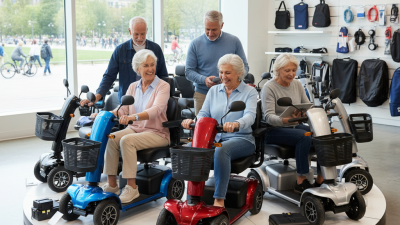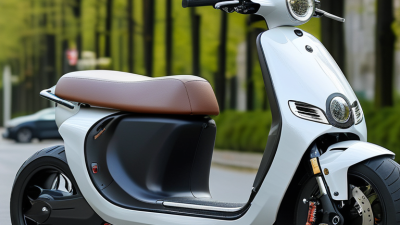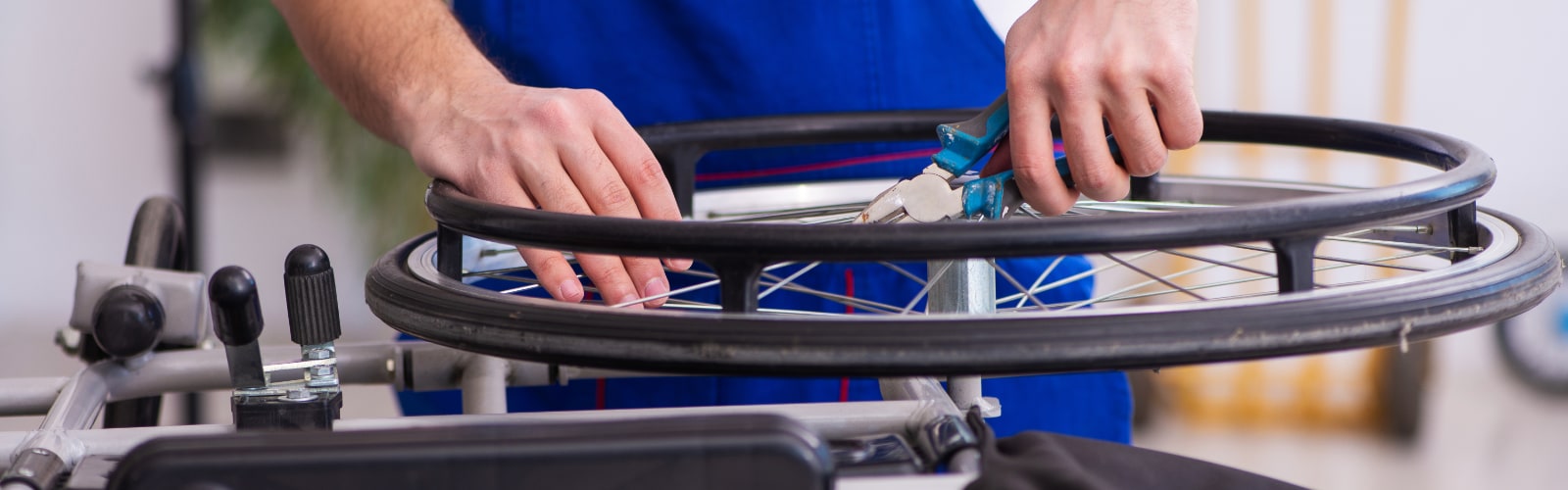

Global sourcing of power chairs and scooters is not simply a price comparison exercise. It is a careful evaluation of safety, usability, service support, and long-term value. A suitable model must match the user’s terrain, body size, transfer ability, storage space, and daily routine. A compact scooter may fit a city apartment but struggle on wet pavement. A powerful chair may handle uneven ground yet require a larger vehicle and stronger charging infrastructure.
Dr. Alarcos Cieza, a World Health Organization expert in assistive technology, has stated, “Assistive technology is a prerequisite for many people to live healthy, productive, independent, and dignified lives.” That principle should guide every sourcing decision. Buyers should examine battery certifications, charger compatibility, motor performance, warranty terms, spare-part availability, and supplier testing records. Ask for real product photographs. Request operating videos on ramps and rough surfaces. Details matter.
Price can mislead.
Experienced sourcing teams also verify factory capability instead of trusting polished brochures. They compare seat dimensions, turning radius, ground clearance, controller quality, and maintenance access. They should confirm whether replacement batteries and tires can be obtained in the destination market. Even experienced buyers make assumptions. Some fail to test loading weight or local charging conditions. That weakness deserves honest attention. A reliable global sourcing process combines technical review, user feedback, documented quality checks, and realistic after-sales planning. The best choice is rarely the most powerful model. It is the one that remains safe, practical, and supportable after delivery.
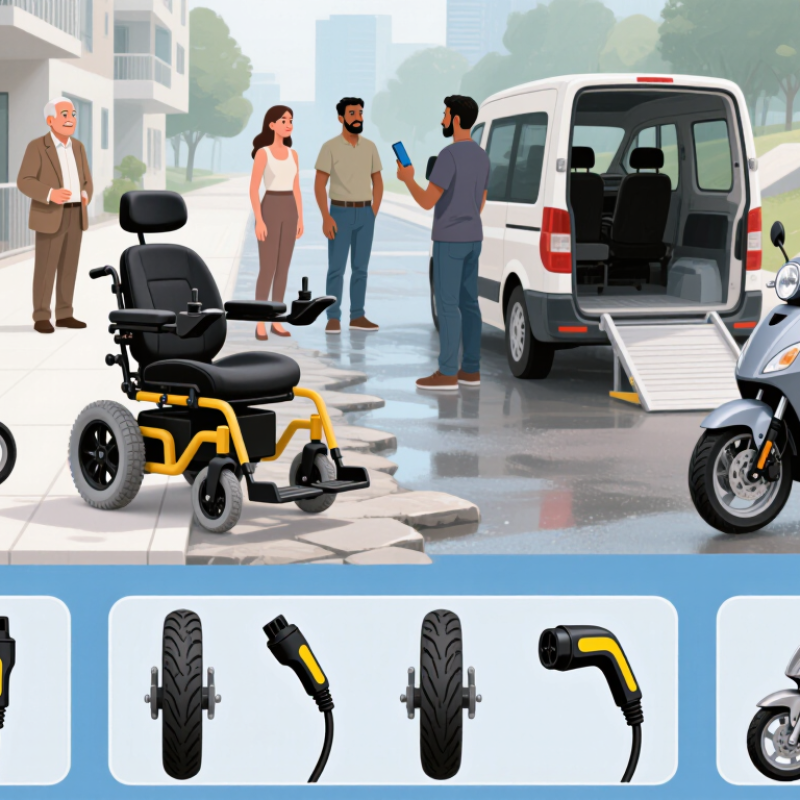
Choosing a power chair or scooter begins with the user, not the product catalogue. In field assessments, I consider posture, hand control, transfers, fatigue, and daily travel distance. A power chair usually suits users needing stable seating, precise indoor movement, or powered repositioning. Its joystick can help someone navigate narrow rooms and uneven personal control. A scooter often fits users who can sit upright, transfer independently, and steer with both hands. It commonly performs better for longer outdoor trips.
Terrain changes the decision quickly. Measure slopes, gravel, wet surfaces, door thresholds, and turning areas before sourcing. A compact scooter may work well on smooth pavements but struggle beside a rough farm path. A mid-wheel power chair can turn tightly indoors, while larger outdoor models may handle uneven ground more confidently. Check ground clearance, braking response, battery range, and safe loading weight. Numbers on a specification sheet are useful, but real routes reveal more.
Access is equally practical. Measure doorway width, lift dimensions, ramp angles, storage space, and vehicle loading height. Confirm charging access and local service capability before placing an international order. In one assessment, I focused too much on range and underestimated the narrow apartment lift. That assumption was too simple. Ask for user trials, maintenance records, clear manuals, and documented safety testing. A reliable sourcing decision connects the person, the terrain, and the building.
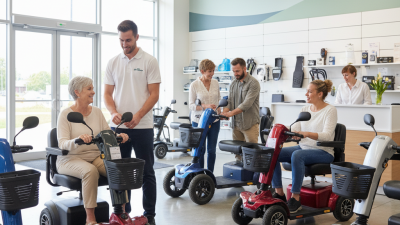
Global sourcing begins with measurable specifications, not attractive photographs.
The WHO’s Global Report on Health Equity for Persons with Disabilities estimates that 1.3 billion people, or 16% of the population, experience significant disability. This supports broad mobility demand, but users have different terrain, climate, and transport needs.
Specify compliance with ISO 7176 testing. ISO 7176-4 evaluates theoretical energy consumption and supports comparable range claims. A scooter advertised for 8–15 km/h should state its actual maximum speed, not only a rounded figure.
Range should be reported with the rider load, battery condition, temperature, and surface clearly described. A 15 km/h model may perform poorly on wet slopes. That detail matters.
ISO 7176-8 also addresses static strength, impact, and fatigue requirements. Request test reports, not generic certificates.
A 136 kg maximum user load should be treated as a firm operating limit. Do not confuse it with shipping weight or seat capacity. For procurement, ask suppliers to document performance at 136 kg, including braking distance, hill control, and frame stability.
I would also test a small safety margin, although this is a purchasing practice rather than an ISO requirement. Real-world results can differ. They often do.
Tips:
Request an ISO 7176-4 range report. Record speed under load. Check battery output after repeated cycles. Test turning clearance inside a narrow container aisle. Verify labels, manuals, chargers, and regional electrical requirements before ordering.
Global sourcing of power chairs and scooters should begin with evidence, not attractive specifications. The WHO and UNICEF Global Report on Assistive Technology (2022) estimates that 2.5 billion people need assistive products today. This figure may exceed 3.5 billion by 2050. That demand increases the cost of weak compliance controls.
Ask for the complete technical file. CE marking should connect to applicable EU requirements, risk assessment, test reports, and a valid Declaration of Conformity. FDA Class II status requires careful verification of the exact device and intended use. Registration alone is not clearance. It is a common misunderstanding. For lithium batteries, request UN 38.3 test evidence, including transport-related test summaries and battery identification. Check that the tested battery matches the production unit, not only the sample shown during sales discussions.
IP ratings describe protection against solids and water under defined laboratory conditions. They do not prove safe operation in rain, mud, or repeated cleaning. IEC 60529 test conditions should match the product’s claimed rating. Inspect charging ports, cable seals, battery housings, and exposed connectors. Small gaps matter. Also compare labels, manuals, warnings, and packaging across languages. Inconsistent instructions can create real user risk. No audit is perfectly tidy. Recheck missing signatures, outdated reports, and unexplained model changes before placing a global order.
When sourcing power chairs and scooters, compare suppliers with a written scorecard. The World Health Organization and UNICEF reported in their 2022 Global Report on Assistive Technology that over 2.5 billion people need assistive products today. This demand makes dependable supply planning essential. Ask for MOQ by model, color, battery type, and spare-part category. A low MOQ may hide higher unit costs or limited customization.
Request a production calendar, not only a promise. Confirm sample approval, component purchasing, assembly, inspection, and shipping dates. An eight-week lead time means little if batteries delay dispatch. Record the supplier’s on-time delivery rate from recent orders. Warranty terms need equal precision. Check coverage for the frame, controller, motor, charger, battery, and labor. Also confirm who pays for replacement freight. Small clauses matter.
ISO 9001 shows a quality management system, not automatic product excellence. ISO’s ISO Survey 2022 recorded 1,265,216 ISO 9001 certificates worldwide. Ask for the certificate scope, expiry date, internal audit records, and corrective-action examples. Inspect serial-number control and final testing records. I still get this wrong sometimes. A polished audit file cannot replace testing a chair on ramps, uneven floors, and tight turns. Compare two production samples before signing. Then review MOQ, lead time, warranty response, and quality evidence together. One supplier may offer the best price, but weak after-sales records can become the real cost.
Comparison of generic sourcing scenarios by MOQ, lead time, warranty coverage, and ISO 9001 quality-system evidence.
Planning benchmarks shown are generic, non-brand scenarios. MOQ is measured in units, lead time in weeks, warranty in months, and ISO 9001 evidence uses a 0–2 scale: 0 = not provided, 1 = claimed or incomplete evidence, 2 = current certificate independently verified. Actual terms should be confirmed in the supplier quotation and contract.
Global sourcing starts with a landed-cost sheet, not a factory quotation. For power chairs and scooters, record the unit price, battery, packaging, freight, duties, service, and spare parts. A 20-kilogram lithium battery can change transport planning and documentation requirements. Ask the supplier for battery specifications, test documents, carton dimensions, and gross weight. Small details matter. Compare air, sea, and consolidated freight using the same delivery point.
Freight quotes often exclude port handling, customs brokerage, storage, and final-mile delivery. Request written rates with validity dates and clear assumptions. Then calculate duty from the correct tariff classification and customs value. Do not copy a percentage from an old shipment. Rates and interpretations can change. I once underestimated a shipment because I used net weight instead of packed weight. The error looked small per unit, but it became expensive across a full container.
Service costs deserve a realistic allowance. Include technician time, warranty returns, charging components, tires, controllers, and replacement batteries. Keep a spare-parts forecast for the first twelve months, based on expected usage and failure risk. A low purchase price may hide slow parts delivery and costly field visits. Test this assumption with a sample order and a documented inspection process. Leave room for uncertainty. Currency movement, damaged cartons, and port delays can disturb a careful model. Review the sheet with logistics, finance, and service staff before approving volume.