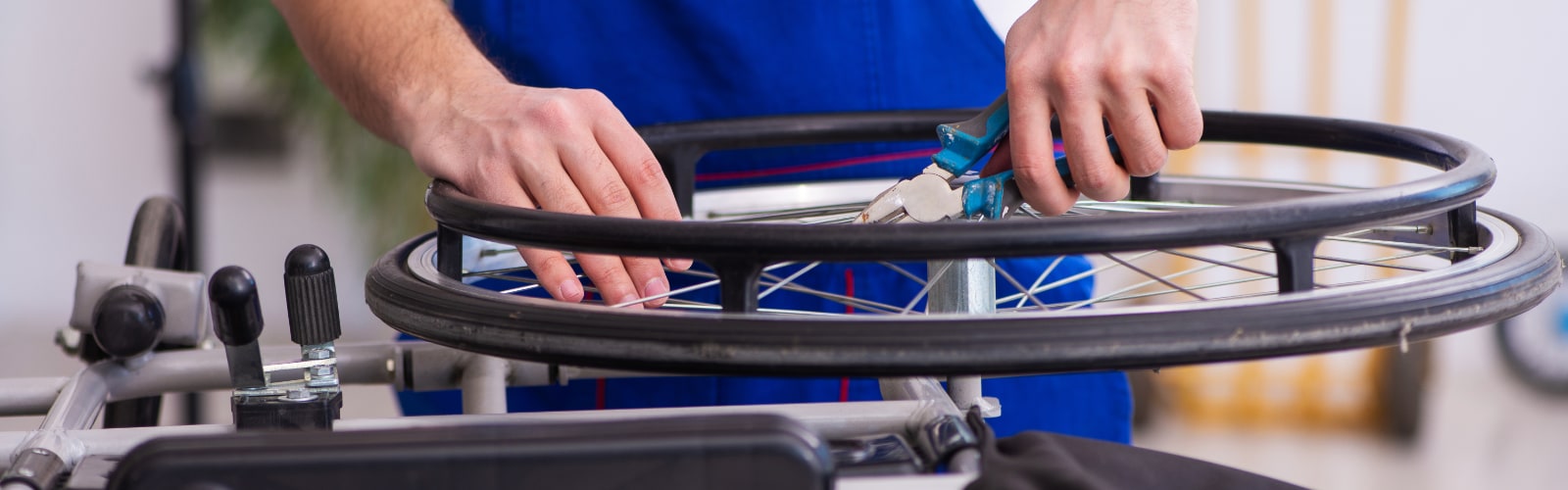

Travel can feel restrictive when long terminals, museums, and crowded streets demand more energy than expected. A handicap scooter rental can provide practical support without forcing travelers to redesign every day around fatigue. It may help someone reach a hotel lobby, cross a large resort, or enjoy a waterfront path with fewer painful stops. Small details matter. A reliable scooter should feel stable, responsive, and simple to control.
Choosing a reputable rental provider requires more than checking the daily price. Travelers should ask about weight capacity, seat width, turning radius, battery range, charging time, and transport options. A trained representative should explain the controls and confirm whether the model suits indoor or outdoor use. Clear delivery instructions also matter, especially when a scooter must arrive before a flight or hotel check-in. Written rental terms, maintenance support, and emergency contact information add confidence.
Yet no scooter solves every travel challenge. Uneven pavement, steep ramps, narrow restaurant aisles, and sudden rain can still create problems. Plans may need adjustment. That is normal. Before booking, travelers can contact attractions and accommodations directly about accessible entrances, elevators, storage, and charging points. Reading verified customer experiences may reveal issues that polished advertisements overlook. With realistic planning and professional guidance, handicap scooter rental can make travel more comfortable, independent, and enjoyable while respecting each traveler’s changing needs.
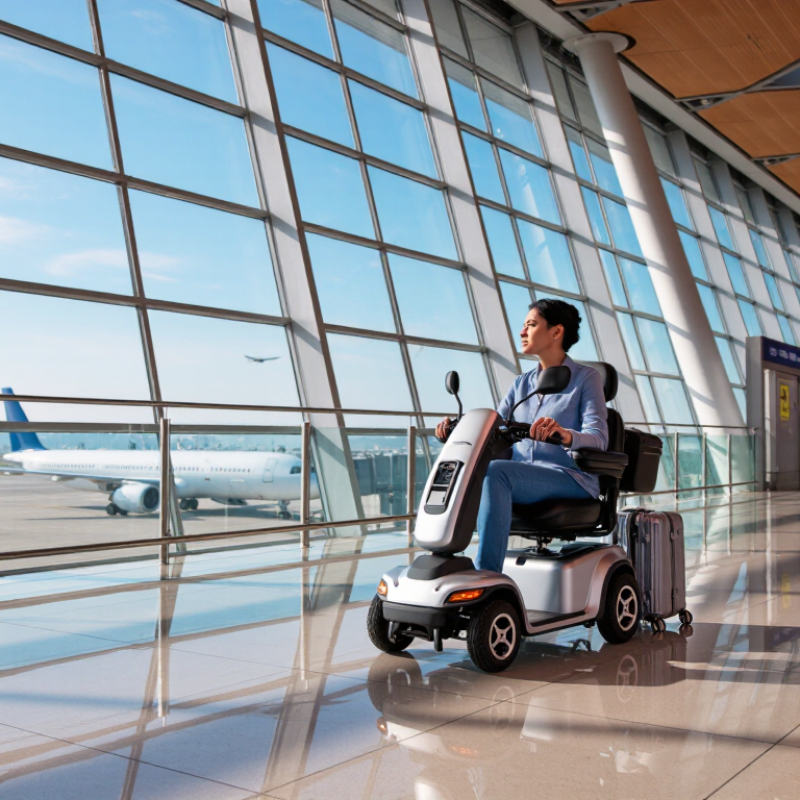
A handicap scooter rental service provides temporary mobility equipment for travelers with limited walking ability. Customers reserve a scooter, select delivery details, and return it after the trip. The service may support hotel stays, cruises, airports, museums, and outdoor attractions.
The World Health Organization estimates that 1.3 billion people experience significant disability worldwide. The CDC also reports that about one in four adults in the United States has a disability. These figures show why accessible travel equipment matters. A rental service can reduce walking distances and conserve energy during busy travel days. It is practical.
A reliable provider should inspect each scooter before delivery. Staff should explain controls, turning space, charging, and emergency procedures. They should also confirm weight capacity, seat width, battery range, and folding requirements. A smaller scooter may fit a narrow hotel elevator, but it can feel less stable on uneven paths. Larger models often provide comfort, yet transportation becomes harder. Details matter.
Experienced travelers should request delivery timing in writing. They should ask whether ramps, charging access, and replacement support are available. Accessibility can vary between a hotel entrance and its guest rooms. The CDC’s Disability and Health Data System supports careful planning because mobility needs differ widely. Rental services help, but they do not solve every barrier. Some limitations become obvious only after arrival. That gap deserves honest discussion.
Mobility scooters can turn a long, tiring route into a manageable journey. The World Health Organization’s Global Report on Health Equity for Persons with Disabilities estimates that 1.3 billion people, or 16% of the global population, experience significant disability. Travel accessibility is not a niche concern.
A rental scooter helps travelers conserve energy between terminals, museums, hotels, and outdoor attractions. The U.S. Bureau of Transportation Statistics reported that about 25.5 million Americans have a travel-limiting disability. This figure shows why accessible transport deserves practical planning, not vague promises. A suitable scooter can reduce walking distance, support steadier movement, and make spontaneous stops possible.
Small details matter. Check the scooter’s width before booking narrow hotel lifts. Confirm battery range for full-day routes. Ask whether the rental team provides delivery, collection, and operating guidance. The setup is not always smooth. Heavy luggage, uneven paving, rain, and crowded entrances can still create barriers. That part is easy to underestimate. Travelers should also confirm accessibility directly with each venue, because an accessible vehicle cannot guarantee an accessible building. These checks reflect guidance commonly emphasized by rehabilitation professionals and accessibility planners. Sources: World Health Organization, Global Report on Health Equity for Persons with Disabilities, 2022; U.S. Bureau of Transportation Statistics, National Transportation Statistics.
Renting a handicap scooter can make travel more manageable when walking long distances is difficult. In my experience, the biggest benefit is energy conservation. A scooter can carry you between hotel entrances, museums, transport stops, and outdoor paths without exhausting your legs. It also gives you more control over rest breaks. Pause when needed. Still, mobility needs vary. A compact model may work indoors, while a sturdier scooter feels safer on uneven sidewalks.
Good rental planning requires more than choosing the lowest daily price. Ask about seat width, turning radius, weight limits, battery range, charging time, and delivery timing. Measure narrow doorways before arrival. Check whether the accommodation has ramps, elevators, and suitable charging access. I once underestimated a route’s hills, and the battery drained faster than expected. That mistake taught me to inspect elevation, weather, and surface conditions. A local accessibility office or trained rental professional can provide more dependable route advice than a random online comment.
Renting can also simplify airport and hotel transfers, especially when the provider explains collection procedures clearly. Read the agreement carefully, including damage policies, deposits, replacement support, and cancellation terms. Confirm that the scooter is inspected before use. Take photographs of its condition and test the brakes, controls, lights, and horn. Small details matter. Travel feels more independent when equipment fits the traveler, not merely the itinerary. Yet a scooter does not remove every barrier. Crowded paths, steep ramps, and sudden rain still require patience, backup plans, and honest self-assessment.
Choosing the right handicap scooter rental provider requires more than comparing daily prices. Start by checking whether the provider understands accessible travel and mobility needs. Ask about scooter weight, seat width, turning radius, battery range, and maximum user weight. These details matter on hotel ramps, narrow sidewalks, and uneven paths.
A reliable provider should offer recent maintenance records and a clear safety inspection process. Confirm delivery times, collection arrangements, charging equipment, and emergency support before paying. Written terms should explain deposits, cancellation rules, damage assessments, and insurance responsibilities in plain language. Avoid providers that give vague answers or pressure you to book quickly.
I once focused too much on price. The scooter looked suitable online, but its battery struggled after several hours outside. That experience taught me to request a practical range estimate, not just the advertised figure. Ask whether staff can demonstrate the controls and adjust the seat before your trip. Try the brakes, steering, and charging connection yourself. Small problems become stressful near busy stations or unfamiliar hotels. A provider with trained staff, accessible communication, and dependable support is usually worth the extra cost. Even careful choices can be imperfect, so leave time for a test ride and a backup plan.
Why Choose Handicap Scooter Rental for Travel?
A rented mobility scooter can make airports, museums, resorts, and city streets easier to manage. Before booking, check the scooter’s weight limit and folded or assembled dimensions. Measure your vehicle, doorway, and accommodation lift carefully. A scooter that fits indoors may still struggle on steep paths or rough pavement. Ask about battery range, charging time, and outdoor suitability. These details often matter more than appearance.
Tips: Request a written rental agreement before paying. Confirm delivery and collection times, deposits, damage rules, and emergency support. Ask whether staff test the brakes, tires, battery, and steering before delivery. Take clear photos when the scooter arrives. A short practice session in a quiet area can reveal uncomfortable controls or poor balance. It may feel unnecessary, but it prevents stressful surprises.
Plan routes with accessible entrances, toilets, ramps, and seating areas. Check local weather because rain can affect comfort and some electrical components. Keep the charger dry and follow the technician’s operating instructions. Travel insurance may not cover every rental problem, so read its mobility equipment terms. My own reflection is simple: choosing the lightest scooter is not always wise. Stability, reliable support, and a suitable seat can matter more during a long travel day.
Before renting a mobility scooter, compare its width and turning needs with the accessible spaces at your hotel, attractions, and transport points. The chart shows key minimum clearances from the 2010 ADA Standards for Accessible Design in the United States: 32 inches for door openings, 36 inches for an accessible route, and 60 inches for turning or passing spaces. Always verify the scooter’s exact dimensions and local accessibility requirements before booking.
Reference: U.S. Department of Justice, 2010 ADA Standards for Accessible Design.