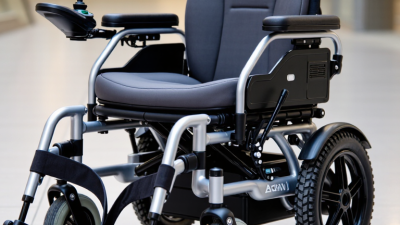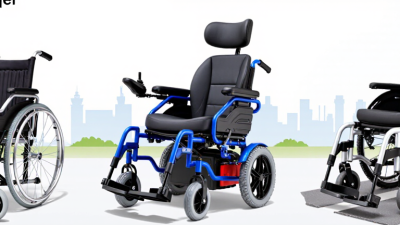

Choosing an electric mobility chair in 2026 requires more than comparing prices and battery ranges. The right model should match your daily routine, physical needs, home layout, and travel plans. A chair that performs well outdoors may feel bulky in a narrow hallway. Small details matter. Seat width, turning radius, control sensitivity, and footrest design can change everyday comfort.
Reliable decisions begin with practical evidence. Measure doorways, ramps, storage areas, and the distance between furniture. Ask a qualified occupational therapist or mobility specialist to review posture, transfers, and pressure management. Read the manufacturer’s specifications carefully, including maximum user weight, battery type, charging time, warranty coverage, and service support. Independent product testing can also reveal weaknesses that marketing materials overlook.
There is no perfect choice. Sometimes, a lighter chair sacrifices suspension or range. A powerful model may be difficult to transport. This trade-off deserves honest reflection. Test the electric mobility chair on uneven paths, gentle slopes, and tight indoor corners when possible. Check whether the joystick responds smoothly and whether the seat remains stable during turns. Confirm that replacement batteries and repairs are realistically available in your area. Personal experience, professional guidance, and transparent manufacturer information should work together. Safety should never be treated as a sales feature.
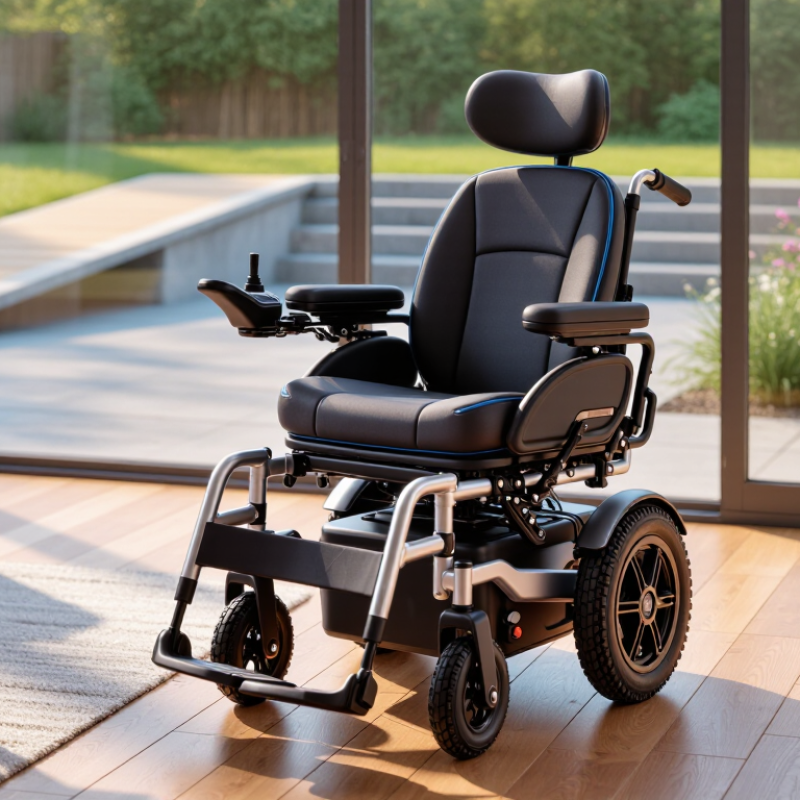
How to Choose an Electric Mobility Chair in 2026?
An electric mobility chair is a battery-powered seat designed to help people move independently. It uses a joystick or simple control panel for steering, stopping, and speed adjustment. Some models suit indoor spaces, while others handle uneven outdoor paths. The right choice depends on strength, balance, posture, vision, and daily surroundings. A person recovering from surgery may need temporary support. Someone with a long-term mobility condition may need a more adaptable solution. A qualified occupational therapist or mobility specialist can assess seating, reach, and safe control. Do not rely on appearance alone.
Tips: Measure doorways, lifts, and turning areas before shopping. Check the chair’s weight, battery range, charging time, and maximum user load. Ask whether the seat, footrests, and controls can be adjusted. Test the chair on a firm surface if possible. Small details matter.
Reliable use also depends on the user’s routine. A compact chair may work well in a flat apartment but feel unstable on rough paths. A larger chair can offer better support, yet storage becomes harder. That trade-off is easy to underestimate. Consider who will transport, charge, and maintain it. Read the safety instructions carefully, and arrange professional training when controls feel unfamiliar. My practical view is simple: comfort and control should be tested together. A chair that looks powerful may still be tiring after twenty minutes. Recheck your needs every year, because health, home layouts, and confidence can change.

Choosing an electric mobility chair in 2026 starts with your real daily routine, not a showroom specification. Ask where you travel, how often, and who assists you.
A chair for indoor use needs a tight turning radius and precise controls. Outdoor use may demand stronger suspension, weather resistance, and stable tires.
Measure doorways, hallways, lifts, ramps, and storage areas before comparing models. A few centimeters can change everything.
Your body needs careful assessment too. Note your sitting tolerance, leg strength, balance, transfer ability, and hand control. A qualified occupational therapist or mobility specialist can evaluate posture and recommend suitable support. The seat should reduce pressure, while the controls should remain usable without painful stretching.
Consider battery range against your longest normal trip, not an ideal trip. Cold weather, hills, rough paths, and frequent stops can reduce performance.
My first checklist was too optimistic. I focused on range and overlooked the narrow bathroom entrance. That mistake showed why a supervised trial matters.
Test the chair on thresholds, carpet, slopes, and uneven pavement. Practice reversing in a crowded room.
Check whether a caregiver can fold, lift, charge, or secure it for transport.
Also inspect charging access at home and the time required for routine maintenance.
Small inconveniences become exhausting when repeated every day. Corset-like support may feel secure at first, but it can restrict movement; comfort should be checked over several hours, not several minutes.
How to Choose an Electric Mobility Chair in 2026?
Comparing chair types starts with your daily route, not the showroom design. Compact travel chairs suit narrow doors, car storage, and short indoor trips. Mid-wheel models usually turn neatly in kitchens and elevators. Rear-wheel chairs can feel steadier outdoors, especially on uneven pavements. Each layout has trade-offs. A smaller frame may sacrifice seat comfort or battery capacity.
Compare features using measurements you can verify. Check seat width, turning radius, ground clearance, maximum user weight, and folded dimensions. Ask whether the controller can be adjusted for hand position and movement strength. Battery range is only an estimate. Hills, cold weather, rider weight, tire pressure, and frequent stops can reduce it. Test the chair on a ramp, carpet, pavement, and a tight doorway. Performance should feel controlled, not merely powerful.
Tips: Bring your usual cushion and footwear to a fitting. Measure your home’s narrowest doorway first. Ask an independent therapist or qualified mobility specialist to assess posture, transfers, and pressure risks. A longer warranty may matter less than accessible servicing and replacement parts. I once overlooked turning space when comparing specifications; the chair looked excellent but felt awkward beside a dining table. That small detail changed the decision. Comfort and confidence deserve equal attention.
| Chair Type | Best For | Typical Width | Typical Travel Range | Typical Top Speed | Typical Turning Radius | Typical User Weight Capacity | Main Advantages and Limitations |
|---|---|---|---|---|---|---|---|
| Compact Indoor Power Chair | Apartments, narrow corridors, shops, and smooth indoor floors | 55–65 cm | 8–15 km per charge | 4–6 km/h | 50–65 cm | 100–136 kg | Excellent maneuverability and compact dimensions; usually has smaller batteries, limited outdoor stability, and less suspension. |
| Folding or Portable Power Chair | Travel, car transport, occasional outdoor use, and users who need easier storage | 58–68 cm | 10–20 km per charge | 4–8 km/h | 60–75 cm | 100–136 kg | Convenient to fold or disassemble; lighter models may have smaller wheels, lower ground clearance, and reduced performance on uneven surfaces. |
| Standard Rear-Wheel Drive Chair | Mixed indoor and outdoor use, sidewalks, shopping areas, and moderate daily distances | 60–70 cm | 15–25 km per charge | 6–10 km/h | 70–90 cm | 113–159 kg | Stable and predictable at higher speeds; generally needs more space to turn and may be less agile indoors. |
| Mid-Wheel Drive Chair | Indoor maneuverability combined with regular outdoor mobility | 60–70 cm | 15–30 km per charge | 6–10 km/h | 45–60 cm | 113–159 kg | Very small turning circle and intuitive control; the center drive wheel can be more sensitive to curbs, slopes, and rough ground. |
| Front-Wheel Drive Chair | Outdoor users who need improved obstacle approach and a longer front reach | 65–75 cm | 15–30 km per charge | 6–10 km/h | 60–75 cm | 113–159 kg | Can climb small obstacles with the drive wheels in front; requires practice because the rear may swing outward during turns. |
| Heavy-Duty Outdoor Chair | Longer outdoor trips, rough paths, heavier users, and demanding terrain | 70–85 cm | 20–35 km per charge | 6–10 km/h | 75–100 cm | 136–227 kg | Stronger frames, larger batteries, and better suspension; heavier, wider, less portable, and often harder to maneuver indoors. |
| Standing Power Chair | Users who need supported standing for reach, posture, or daily activity | 65–75 cm | 15–25 km per charge | 6–10 km/h | 65–85 cm | 113–136 kg | Provides powered seat elevation or standing support; typically costs more, weighs more, and needs careful seating and stability assessment. |
Choosing an electric mobility chair in 2026 starts with the user, not the showroom. In practical assessments, a chair may appear compact but feel unstable on uneven paving. Ask a rehabilitation professional to assess posture, transfer ability, vision, and hand control. The controls should respond smoothly when fingers are weak or tired. Check braking, anti-tip protection, lighting, reflectors, and the seat belt. Safety comes first. Test it outdoors.
Comfort depends on more than soft padding. The seat should support the pelvis without pressing behind the knees. Adjustable armrests, footplates, and back support can reduce fatigue during longer trips. Look for breathable materials and cushions that remain supportive after repeated use. A small turning radius helps in kitchens, lifts, and narrow hallways. Measure every doorway before ordering. Accessibility is often overlooked.
Consider ramps, kerbs, public transport, charging points, and storage space at home. The battery range should cover normal journeys with spare capacity for delays or colder weather. Ask whether the chair can be serviced locally and whether instructions are clear. I would not choose the lightest model automatically. A lighter frame may sacrifice stability, while a heavier one may be difficult to transport. My own preference would be practical testing over attractive specifications, although one short trial cannot reveal every daily problem. Bring the usual cushion, shoes, and control method to the test.
Choosing an electric mobility chair in 2026 starts with fit, not appearance. Measure seat width, depth, footrest clearance, and turning space at home. Your hips should remain stable without pressure points. The World Health Organization’s Global Report on Assistive Technology (2022) estimates that 2.5 billion people need assistive products worldwide. Proper assessment matters because poor fit can reduce comfort, control, and daily use.
Test the chair on your actual route. Check door thresholds, bathroom turns, ramps, and outdoor surfaces. Ask a qualified therapist or mobility specialist to review posture and pressure management. WHO wheelchair guidance recommends assessment, fitting, user training, and follow-up. Do not accept a short showroom test as proof. That assumption is easy to make, and often wrong.
Support includes service response, spare-part availability, battery replacement, and written warranty terms. Ask who performs repairs and how long common parts usually take. ISO 7176-4 describes standardized methods for measuring wheelchair energy consumption and theoretical range, but real distance changes with weight, terrain, temperature, and battery age. Request a test based on your routine. A cheaper chair may cost more after repeated repairs, transport, or replacement batteries. Compare the full five-year cost, including charging, maintenance, accessories, and unused features. I would leave room for uncertainty; estimates rarely match daily life perfectly.