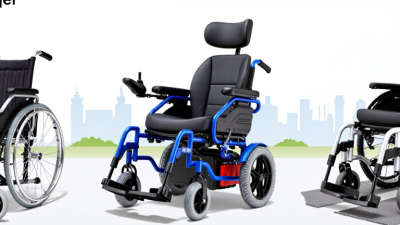

Choosing an electric mobility chair is not simply a matter of selecting the strongest motor or longest advertised range. It is a daily decision about safety, comfort, independence, and real surroundings. A showroom floor cannot reproduce a narrow hallway, a sloped driveway, or wet pavement outside your home.
Dr. Rory Cooper, a rehabilitation engineer and wheelchair researcher, has emphasized that “a wheelchair is a vehicle for mobility and independence.” That idea changes the buying process. The right electric mobility chair should fit your body, routine, and environment, not merely impress you with technical specifications. This guide explores seven practical tips, including seat support, turning radius, battery performance, control design, terrain handling, transport needs, and after-sales service.
Measure the doorway.
Check the actual width, not your estimate. A chair may appear compact but still struggle around a kitchen corner. Sit in the chair long enough to notice pressure beneath your thighs or stiffness around your hips. Small discomfort can become a serious problem after several hours.
Battery claims also need careful judgment. Manufacturer figures often reflect ideal conditions, while hills, cold weather, user weight, and frequent stops reduce range. That is easy to overlook. I would also question any recommendation based only on price or brand reputation. Personal fit matters more.
A dependable dealer should explain charging routines, warranty coverage, maintenance intervals, and emergency support clearly. Test the controls with the hand you normally use. Ask whether replacement batteries and tires are readily available. The best choice may not be the most advanced model. It is the one you can operate confidently, maintain realistically, and use safely every day.

Choosing an electric mobility chair should begin with your real routine, not an attractive specification sheet. Write down where you travel each day, including bedrooms, kitchens, sidewalks, shops, and medical appointments. Measure every doorway and turning space. A narrow hallway can matter more than maximum speed.
Consider your posture, balance, leg strength, and transfer ability. An occupational therapist or qualified mobility professional can assess seating support and control placement. Ask whether you need a joystick, alternative control, adjustable armrests, or a reclining back. Comfort is not a luxury during long periods of sitting. It can affect safety and endurance.
Look closely at your surfaces. Thick carpets, door thresholds, wet paths, steep ramps, and loose gravel may challenge some chairs. Check the chair’s turning radius, ground clearance, braking system, and expected range. Your daily distance may increase unexpectedly. Plan for that.
Also examine storage, charging access, transport, and weather protection. A chair that fits indoors may be awkward in a car or elevator. My own checklist might miss seasonal changes, such as muddy paths or reduced daylight. Test the chair in a familiar space, then on the most difficult route you regularly use. Bring the person who helps you at home. Their practical observations can reveal problems you overlook.

What Are 7 Tips for Choosing an Electric Mobility Chair?
Compare chair types before comparing prices. Compact indoor chairs suit narrow hallways and lifts. Mid-wheel designs usually turn neatly around furniture. Rear-wheel models can feel steadier outdoors. Heavy-duty chairs may offer stronger frames, but they need more storage space. The WHO and UNICEF Global Report on Assistive Technology (2022) estimates that over 2.5 billion people need assistive products worldwide. Personal fit still matters more than market size.
Measure twice. Doorways, seat width, legroom, and turning space can change daily comfort. Check seat height against tables and transfer surfaces. Review weight capacity, tilt, recline, cushions, and adjustable armrests. Compare joystick placement and alternative controls if hand strength varies. Then inspect maneuverability. ISO 7176-5 provides recognized methods for measuring wheelchair dimensions and turning space. Ask for a real trial, not only a showroom demonstration.
Battery range deserves careful attention. Consider hills, temperature, user weight, and charging access. Published range can shrink in ordinary conditions. I would not trust a brochure alone. The CDC’s Disability and Health Data System reports mobility disability among roughly 13.7% of U.S. adults, showing why accessible home planning matters. Check braking, visibility, tire grip, and transport weight. Finally, confirm servicing, warranty coverage, and replacement parts. A perfect chair rarely exists. Even careful measurements can miss a tight bathroom corner.
| Tip | Chair Type to Consider | Best Use | Maneuverability | Useful Features | Main Trade-Off | What to Check |
|---|---|---|---|---|---|---|
| 1. Match the chair to your environment | Indoor power chair or compact travel chair | Homes, apartments, shops, offices, and other smooth surfaces | Usually has a tighter turning radius and narrower body; easier to use in hallways and around furniture | Compact dimensions, joystick control, solid or puncture-resistant tires, adjustable seat height | Smaller models may have less ground clearance and reduced stability on rough outdoor surfaces | Measure doorways, elevator openings, turning areas, ramps, and storage space before buying |
| 2. Choose the right drive system | Front-wheel, mid-wheel, or rear-wheel drive power chair | The best option depends on whether indoor turning, outdoor tracking, or mixed use is the priority | Mid-wheel designs generally turn very tightly; front-wheel designs can handle obstacles well; rear-wheel designs often track steadily outdoors | Different wheel placements affect curb approach, turning behavior, stability, and driving feel | No drive layout is ideal for every surface or user; turning technique may require practice | Test forward, reverse, tight turns, thresholds, slopes, and uneven surfaces if possible |
| 3. Evaluate range and battery needs | Standard power chair or long-range outdoor model | Daily trips, work, appointments, shopping, and longer outdoor journeys | Larger batteries and outdoor frames can increase weight and reduce transport convenience | Removable battery, accessible charging port, battery gauge, and a charger compatible with the user’s power supply | Advertised range can decrease with hills, heavy loads, cold weather, frequent stops, soft tires, or battery age | Compare expected daily distance with real-world conditions and confirm charging time and replacement-battery availability |
| 4. Prioritize seating and posture support | Configurable power chair with supportive seating | Users who spend several hours a day in the chair or need positioning support | Powered seat functions may add weight but can make repositioning and pressure management easier | Adjustable seat width and depth, tilt, recline, elevating leg rests, head support, and pressure-relieving cushions | More adjustments can increase cost, maintenance needs, chair weight, and battery consumption | Have a qualified seating professional assess posture, transfers, skin protection, and long-term comfort |
| 5. Check weight capacity and stability | Heavy-duty power chair or reinforced mobility chair | Users requiring a higher weight capacity, wider seating, or increased support | A wider and heavier frame may need more space to turn and may be harder to transport | Reinforced frame, strong suspension, appropriate seat width, stable wheelbase, and suitable tire size | Higher capacity does not automatically mean better comfort or performance for every user | Include the user, cushion, bags, and accessories when comparing the stated weight capacity |
| 6. Consider transport and storage | Folding, disassemblable, or travel-friendly electric chair | Car travel, public transport, occasional trips, and homes with limited storage | Compact designs are easier to store but may provide less suspension, seat support, or outdoor capability | Folding frame, removable battery, manageable component weight, tie-down points, and a suitable loading method | A chair that is easy to transport may have a shorter range or lower weight capacity | Confirm the folded size, heaviest part, vehicle fit, lifting requirements, and airline or transit rules |
| 7. Test controls, safety, and service support | Power chair with programmable controls and local maintenance support | Users who need easy operation, customized driving response, or dependable long-term support | Responsive joystick control, adjustable speed, and smooth braking can improve confidence in tight spaces | Anti-tip protection, electromagnetic brakes, lights, horn, speed adjustment, attendant control, and fault indicators | Advanced electronics may require trained servicing and can be costly to repair outside warranty coverage | Test the controls with the intended hand or alternative input method and ask about servicing, parts, warranty, and user training |
Selection reminder: A qualified healthcare or mobility professional should assess fit, posture, pressure management, transfer ability, and the user’s intended driving environment before purchase.
What Are 7 Tips for Choosing an Electric Mobility Chair?
Check the weight capacity carefully. Include clothing, cushions, bags, and removable equipment. A small margin matters. The WHO and UNICEF Global Report on Assistive Technology (2022) estimates that over 2.5 billion people need assistive products worldwide. That demand makes careful fitting more important, not less.
Test the seat width and depth before buying. Your hips should stay centered, without pressure at the knees. Choose a cushion that distributes pressure and supports stable pelvic positioning. Check back support, lateral support, head support, and adjustable footrests. Seating should feel supportive, not restrictive. Review the control position, especially if hand strength or reach varies. Examine battery range under realistic weight and everyday surfaces. Test turning space in a hallway, doorway, and bathroom. Confirm the chair can be transported safely. Ask about maintenance, batteries, and replacement parts. The ISO 7176 wheelchair standards address stability, performance, and testing, but standards cannot replace personal trials.
Try the chair for at least twenty minutes. Notice heat, sliding, shoulder strain, and uneven pressure. I once underestimated cushion firmness; comfort changed after a short indoor test. That was a useful mistake. A clinician or qualified seating specialist can identify posture problems that casual testing misses. Mobility needs may also change over time, so adjustable seating deserves serious attention.
Use these seven practical criteria to compare electric mobility chairs. The priority scores are general planning weights, not brand-specific ratings.
Key takeaway: Start by checking weight capacity, seating support, and comfort. Then confirm maneuverability, battery range, safety features, and transport practicality for the environments where the chair will be used.
Treat the advertised range as a laboratory estimate. Real distance falls with passenger weight, hills, cold weather, tire pressure, and repeated stops. ISO 7176-4 defines standardized wheelchair energy and distance testing, but home conditions are rarely so neat. Ask for the tested distance and the test setup.
Compare usable battery capacity, not only voltage. Higher amp-hours usually support longer travel, but they also add weight.
Keep a 25% reserve for detours and battery aging.
Check the charger’s full-charge time. A chair needing eight hours may not suit a caregiver’s schedule.
Confirm outlet access at home, work, and destinations.
Measure the folded chair, battery, and lifting path. Verify boot height, door width, and vehicle payload.
Ask whether the battery can be removed and transported safely.
Choosing an electric mobility chair should begin with the user, not the showroom display. The World Health Organization and UNICEF reported in 2022 that more than 2.5 billion people need assistive products globally. Fit and reliability therefore matter. Tip 1: Measure seat width, depth, footrest height, and doorway clearance. Tip 2: Test braking, anti-tip wheels, lighting, and control response on slopes. ISO 7176 provides widely used testing guidance for powered wheelchairs, but certification alone cannot replace a practical trial.
Maintenance affects safety and ownership costs. Tip 3: Ask how often batteries, tires, brakes, and joystick controls need inspection. Tip 4: Confirm battery replacement prices and charging time. Tip 5: Check whether trained service support is available locally. A chair may look sturdy, yet a loose connector can stop it beside a pavement edge. That detail is easy to miss. I would also inspect charging ventilation and cable placement, because daily habits create risks that brochures rarely explain.
Total cost includes delivery, accessories, servicing, batteries, insurance, and possible home changes. Tip 6: Request a written cost estimate for three to five years, not only the purchase price. Tip 7: Compare warranty exclusions, especially for batteries and water damage. The WHO Global Report on Assistive Technology warns that affordability and repair access limit real-world use. A cheaper chair can become expensive after repeated repairs. My own judgment would remain cautious: comfort, safe handling, and dependable maintenance deserve more weight than a dramatic discount.