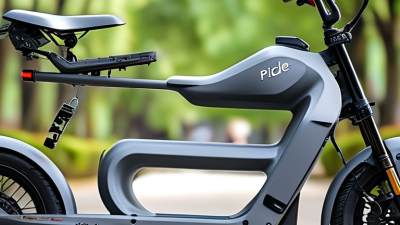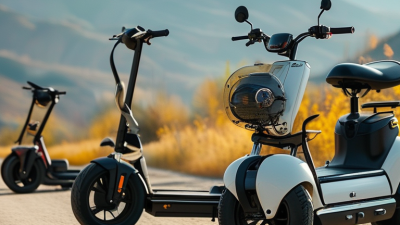

Choosing the top electric mobility chair for global buyers requires more than comparing prices or motor power. A suitable chair should match the user’s posture, daily routes, storage space, and transport needs. Buyers may travel across smooth shopping floors, uneven pavements, ramps, or compact home corridors. Each setting exposes different strengths and weaknesses.
An electric mobility chair should offer stable handling, responsive controls, supportive seating, and predictable braking. Battery range matters, but advertised figures often reflect ideal conditions. Weight, temperature, hills, and frequent stops can reduce real-world distance. A practical review should examine charging time, battery replacement, turning radius, ground clearance, and folding or dismantling options. Small details matter.
Reliable selection also depends on manufacturer experience and local service access. Buyers should request clear specifications, warranty terms, user manuals, and replacement-part information before ordering. Safety features should be assessed against applicable regional requirements, because mobility equipment rules differ between markets. Professional fitting is valuable, especially for users with limited strength or balance.
There is no universal best chair.
Some online comparisons overlook after-sales support. That weakness deserves attention. A lower purchase price may become expensive if repairs require overseas shipping or unfamiliar components. Buyers should test controls, transfer height, and seat comfort whenever possible. Even a well-reviewed model may feel unsuitable after several hours of use. Careful evaluation, honest expectations, and verified supplier information create a safer path toward confident international purchasing.
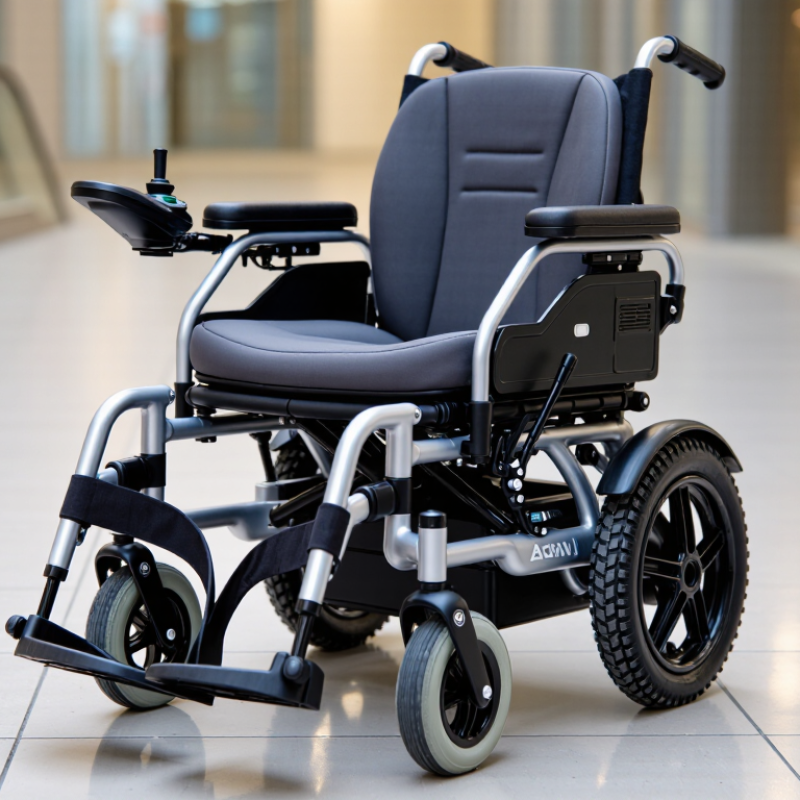
An electric mobility chair is a powered seating device that helps a person move while seated. It typically combines a rechargeable battery, motor, wheels, and a joystick or another control. The user directs movement without pushing hand rims. Simple in principle. The chair may be configured for indoor use, outdoor paths, or both, depending on its wheels, clearance, and design.
Unlike many mobility scooters, powered chairs often have a tighter turning footprint and offer options for seated support and control placement. Seat width, back support, foot position, and joystick reach can affect comfort and safe operation. A chair that feels comfortable for five minutes may feel different after an hour. Fit should be assessed with the user, not guessed from a product photo.
Choosing one means considering daily routes, doorways, transfers, and storage space. A mobility specialist or clinician can help assess posture and control needs. Treat advertised battery range as an estimate; hills, temperature, user weight, and frequent stops can reduce it. Follow the charging and maintenance instructions, and keep moving parts unobstructed. A loose rug or narrow doorway can make an otherwise suitable chair difficult to use. Needs may change over time, too.

Choosing an electric mobility chair requires more than checking motor power. Global buyers should examine how each feature supports daily movement, transfers, and safe control. Adjustable seating can reduce pressure during long trips, while padded armrests support steadier transfers. An intuitive joystick matters. It should respond smoothly without sudden acceleration, especially on ramps or crowded paths. Some users may prefer a programmable speed limit for indoor driving.
Mobility functions should match the environment, not just the specification sheet. A tight turning radius helps in elevators and narrow kitchens. Solid tires need little maintenance, while pneumatic tires soften uneven pavement but require regular pressure checks. Suspension improves comfort on cracked sidewalks. It does not remove every jolt. Reliable electromagnetic brakes should hold the chair securely when the joystick is released. Anti-tip wheels add confidence on slopes, although they cannot replace careful driving.
Battery range changes with rider weight, temperature, terrain, and frequent stops. Treat advertised distance as an estimate, not a promise. Check charging compatibility, battery replacement access, and local service support before purchase. A removable battery may simplify apartment charging, but it can add handling effort. Foldable frames save storage space, yet some designs sacrifice seat stability or ground clearance. A supervised trial on ramps, doorways, and rough pavement reveals more than a specification sheet. Clearance measurements are easy to overlook. They should not be.
Top Electric Mobility Chair for Global Buyers
Choosing the right electric mobility chair depends on the user, not only the motor. The WHO and UNICEF Global Report on Assistive Technology estimates that over 2.5 billion people need assistive products. This number may reach 3.5 billion by 2050. The right model should match body size, posture, strength, environment, and daily routine.
For older users, simple controls and stable seating can reduce stress. A compact chair may suit apartment corridors, lifts, and narrow kitchen spaces. Active outdoor users need larger tires, reliable brakes, stronger suspension, and weather-resistant construction. Users with limited hand control may require alternative controls, but professional assessment remains essential. Caregivers should check folding weight, transfer height, battery removal, and transport space. A powerful chair can still be unsuitable if its turning radius is too wide.
Tips: Measure doorways and ramps before purchase. Ask for the chair’s tested range, not only its advertised range. ISO 7176 testing can help buyers compare performance, though laboratory results may differ outdoors. Check local airline, battery, and road-use requirements before shipping. Never ignore seat width or pelvic support. Small discomfort becomes serious after several hours. A useful assessment includes a real trial on slopes, uneven ground, and tight turns. I would also question dramatic marketing claims. No chair performs perfectly everywhere, and buyer expectations sometimes need adjustment.
Travel range is a practical starting point when comparing electric mobility chairs. Indoor users generally need compact models with shorter ranges, while mixed-use and outdoor users benefit from larger batteries and longer range. Actual performance varies with rider weight, terrain, temperature, speed and battery condition.
Safety, comfort, battery life, and maintenance deserve more attention than appearance. The World Health Organization reports that 1.3 billion people, or 16% of the global population, experience significant disability. This growing need makes reliable mobility equipment essential. Look for adjustable seating, secure foot supports, anti-tip wheels, and responsive braking. ISO 7176-19 testing can indicate safer wheelchair use during vehicle transportation. However, certification details still require careful checking.
Comfort becomes practical after several hours, not during a showroom visit. Measure seat width, cushion pressure, back support, and turning space. A narrow chair may enter elevators easily but feel restrictive outdoors. Battery claims can also disappoint. Published range depends on rider weight, terrain, temperature, tire pressure, and repeated stops. The U.S. Department of Energy notes that lithium-ion battery performance changes with temperature and usage conditions. Treat advertised range as an estimate, not a promise. I would test the chair on slopes and uneven pavement before purchasing.
Tips: Charge with the approved charger, keep connectors dry, and inspect tires weekly. Store the battery away from extreme heat and freezing conditions. Ask for replacement-battery availability, service intervals, warranty coverage, and local technical support. The World Health Organization’s assistive technology reports identify affordability, repair access, and user training as continuing barriers. A lower purchase price may become expensive after one difficult repair. Also, some maintenance instructions feel unclear, so request them in your language before payment.
Top Electric Mobility Chair for Global Buyers
Global buyers should examine compliance before comparing comfort features. Check electrical safety documentation, battery transport certification, charger compatibility, and local medical-device requirements. Standards vary by destination, so a chair accepted in one market may need additional testing elsewhere. Ask for serial-number records and a clear conformity statement. Do not rely on a product photograph alone.
Shipping requires practical measurements. Record the folded width, total weight, battery type, and package dimensions. A chair may fit an aircraft hold but exceed a courier’s lithium-battery rules. Confirm whether the battery ships installed or separately. Request shock-resistant packaging, moisture protection, and tracking updates. Customs paperwork should describe the product accurately. Small errors can create long delays.
After-sales support often decides the real value. Look for multilingual manuals, remote troubleshooting, spare controller availability, and trained service partners near your destination. Response times should be written into the sales agreement, not promised casually. Ask who handles warranty labor and return shipping. Test the chair on ramps, uneven pavement, and narrow doorways before approving a large order. One overlooked detail matters: local repair access may be more useful than a longer warranty. A perfect specification sheet cannot fix poor support. I would still leave room for review, because supplier claims and actual service sometimes differ.
| Buying Factor | What to Check | Useful Evidence or Reference | Global Buyer Consideration |
|---|---|---|---|
| Safety and performance standards | Confirm which wheelchair safety tests apply to the exact chair configuration, including stability, braking, strength, and control-system performance. | Relevant parts of the ISO 7176 series include ISO 7176-1 (static stability), ISO 7176-2 (dynamic stability of powered wheelchairs), ISO 7176-3 (braking effectiveness), ISO 7176-8 (strength, fatigue, and impact), and ISO 7176-14 (power and control systems). | Ask for test reports that identify the tested model and configuration. A reference to a standard alone does not establish that a product has been tested or certified; confirm applicable editions and local requirements. |
| Electromagnetic compatibility | Check whether testing covers electromagnetic emissions and immunity for the powered wheelchair and its intended environment. | ISO 7176-21 addresses electromagnetic compatibility requirements and test methods for electrically powered wheelchairs and scooters. | Ask whether the report covers the chair, controller, and charger configuration being purchased. Local market rules may require additional documentation. |
| Use as a vehicle seat | Determine whether the chair is intended for use as a seat in a motor vehicle, and whether the specific model and configuration have been evaluated for that purpose. | ISO 7176-19 covers wheeled mobility devices intended for use as seats in motor vehicles. | Do not assume every powered chair is suitable for occupied transport in a vehicle. Follow the chair and vehicle manufacturers’ instructions for securement and occupant restraint. |
| Battery transport and documentation | Identify the battery chemistry, rated voltage, capacity in watt-hours (Wh), removability, and the documents supplied for transport. | For lithium batteries, request the UN 38.3 test summary where applicable. Air transport is subject to current ICAO Technical Instructions and IATA Dangerous Goods Regulations; sea transport requirements can include the IMDG Code. | Acceptance depends on battery type, configuration, packaging, route, and carrier rules. Confirm requirements with the freight forwarder and carrier before booking; passenger-airline rules may differ from cargo rules. |
| Electrical compatibility | Check the charger’s input-voltage range, frequency rating, plug type, charging instructions, and compatibility with the destination’s power supply. | Review the charger label and technical manual. Confirm that any required plug adapter or region-specific charger is suitable for the stated electrical ratings. | A plug adapter changes the plug connection, not the electrical voltage. Do not use a charger outside its marked input range. |
| Shipping, packing, and delivery | Request packed dimensions and gross weight, packing method, battery installation or removal details, delivery terms, and procedures for reporting transit damage. | Obtain a written shipment plan that states the transport mode, packaging responsibility, tracking arrangements, and delivery location. | Check import duties, taxes, customs documentation, and product-clearance requirements with the destination-country authorities or a qualified customs broker. Costs and classifications vary by country. |
| Local regulatory documentation | Confirm that the product can be legally imported, marketed, and used in the destination market, and ask which conformity or registration documents apply. | Request the applicable declaration, test reports, labeling, user instructions, and importer or registration details required for the destination market. | Requirements depend on the country, product classification, intended use, and sales route. A document accepted in one market may not satisfy another market’s rules. |
| Warranty and after-sales support | Review warranty duration and coverage separately for the frame, motors, controller, batteries, and other components. Check exclusions, labor, shipping, and claim procedures. | Ask for written warranty terms, a parts list with service intervals, troubleshooting instructions, and contact details for technical support in the destination region. | Confirm who handles warranty repairs locally, whether parts are available, expected response arrangements, and who pays return freight. Statutory consumer rights may apply in addition to a seller’s warranty. |
| Fit, range, and operating conditions | Compare seat dimensions, user weight limits, turning space, ground clearance, grade capability, and the stated driving range with the user’s needs and routes. | Use the product’s technical specifications and user manual. Treat range figures as test-condition results rather than a guaranteed real-world distance. | Actual range can vary with user and carried load, terrain, temperature, battery condition, speed, and driving style. Check local terrain and access conditions before selecting a configuration. |