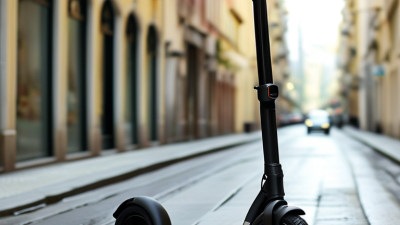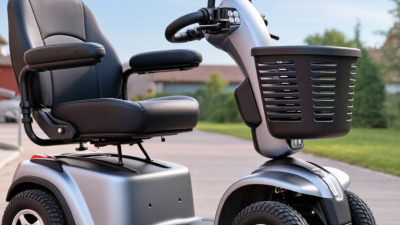

Mobility scooter rental services can make unfamiliar places easier to explore. A suitable scooter may help travelers cross hotel corridors, museum floors, shopping centers, and smooth outdoor paths with less fatigue. For older adults and people with limited mobility, this support can protect energy for meaningful experiences.
Convenience matters. A reliable provider can deliver the scooter to an airport, hotel, cruise terminal, or vacation property. Customers can often choose between compact travel models and sturdier scooters with longer battery ranges. The right choice depends on body size, travel distance, storage needs, and local surface conditions. Small wheels may struggle on uneven paving. That detail is easy to miss.
Safety should guide every decision. Before accepting a scooter, inspect the brakes, tires, steering, seat adjustment, and battery indicator. Ask whether the provider offers operating guidance, emergency support, and clear rental terms. Experienced companies should explain weight limits, charging procedures, and suitable routes without making unrealistic promises. Reviews can help, but they are not perfect evidence. Direct questions are still valuable.
Cost also deserves careful attention. A low daily rate may exclude delivery, insurance options, deposits, or late-return charges. Compare the complete price and confirm accessibility arrangements before payment. Personal experience often shows that planning pickup times prevents unnecessary stress. Still, plans can change. Weather, crowded paths, and battery limits may affect the day. Choosing mobility scooter rental services with transparent communication can make those problems easier to manage, while preserving comfort, independence, and confidence throughout the journey.
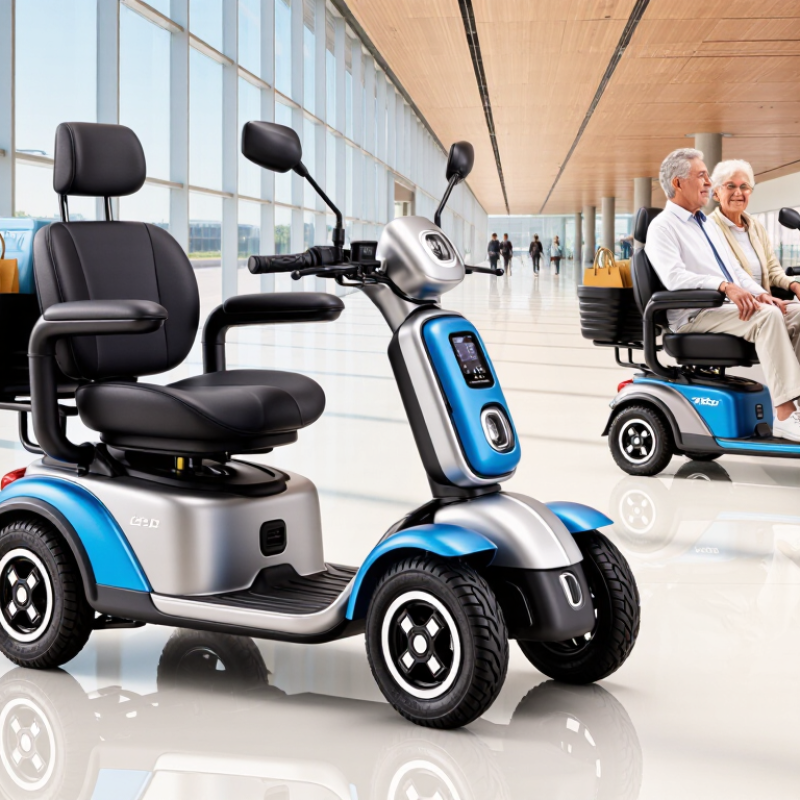
A mobility scooter rental service provides temporary access to a battery-powered mobility scooter. Customers usually reserve a suitable model, arrange delivery, and receive basic operating guidance. The service may also include collection, charging advice, and emergency support. It helps people manage holidays, shopping trips, exhibitions, or short-term recovery without purchasing equipment. The scooter should match the user’s weight, posture, balance, and travel route. A quick demonstration matters. So does checking the brakes and battery before departure.
Demand is connected to wider access needs. The WHO and UNICEF Global Report on Assistive Technology estimates that more than 2.5 billion people need at least one assistive product. This figure may exceed 3.5 billion by 2050. A rental service can reduce upfront costs and storage problems, especially for occasional users. However, the model is not flawless. Poor fitting, unclear instructions, or limited battery range can create stress. Professional providers should explain safe turning, charging, pavement conditions, and return procedures. They should also maintain inspection records and respond clearly when equipment fails.
Tips: Ask about seat width, maximum range, weight capacity, and delivery timing. Measure narrow doorways before booking. Test the controls slowly in an open area. Do not assume every scooter suits airport paths or uneven ground. A short trial can reveal discomfort that online descriptions miss. Personally, I would inspect the tyres and charging cable before leaving. That small step is easy to overlook.

Mobility scooter rentals can support people who need practical help for a limited time. Older adults may use one during museum visits, shopping trips, or family holidays. People recovering from surgery or a leg injury may also benefit. Caregivers can reduce walking demands without purchasing equipment that may soon become unnecessary.
The need is substantial. The World Health Organization reports that 1.3 billion people, or about 16% of the global population, live with significant disability. In the United States, the CDC’s Disability and Health Data System reports that roughly 12.1% of adults have a mobility disability. These figures do not mean everyone needs a scooter. However, they show why flexible access matters. A rental can help someone cross a large venue, manage uneven outdoor paths, or conserve energy for essential activities. In practice, comfort and fit are sometimes overlooked. That is a weakness worth acknowledging. A healthcare professional, such as an occupational therapist, can help assess posture, balance, and safe operating ability.
Tips: Confirm the scooter’s weight limit, seat width, battery range, and turning space. Ask whether delivery includes a safety demonstration. Check the route for ramps, lifts, and narrow doorways. Start slowly. A short trial can reveal problems before a full-day rental. WHO’s 2022 Global Report on Health Equity for Persons with Disabilities also emphasizes removing environmental barriers, not merely providing equipment.
Mobility scooter rental services usually begin with a short conversation about your trip, distance, and physical needs. A trained rental adviser may ask about terrain, seat comfort, storage, and turning space. Be honest about your mobility limits. I once underestimated a steep pavement slope, and the scooter felt less stable than expected.
After choosing a suitable scooter, you provide basic identification and rental dates. Requirements can vary by location, so ask about deposits, cancellation terms, and insurance coverage. Staff should explain the controls, battery range, charging method, and weight limits. A careful fitting includes the seat height, armrests, mirrors, and tiller position. The scooter should feel controlled, not merely available.
Many services deliver the scooter to a hotel, home, event venue, or transport terminal. At handover, test the brakes, horn, lights, and reverse function. Ask how to handle uneven ground and crowded walkways. Keep the charging unit dry. Do not ignore unusual noises. During the rental period, support may be available by phone if the battery performs poorly or a fault appears. At return, the provider checks the scooter’s condition, accessories, and battery level. Photographing the scooter before use can prevent confusion, although I sometimes forget this practical step.
Mobility scooter rentals can provide short-term access without requiring ownership. The chart compares common features of a rental arrangement with those of purchasing a scooter. Values use a simple scale: 1 = typically applies, 0 = typically does not apply.
Rental services are especially practical for holidays, temporary mobility needs, testing a scooter before purchase, or avoiding long-term storage and maintenance responsibilities. Availability, delivery, insurance, and maintenance terms can vary by provider.
Why Choose Mobility Scooter Rental Services?
Before renting a mobility scooter, match the vehicle to your real journey. The World Health Organization reports that 1.3 billion people live with significant disabilities worldwide. That figure shows why accessible transport needs careful planning. Consider seat width, handlebar reach, turning space, and maximum user weight. A scooter that feels comfortable indoors may struggle on grass, slopes, or uneven pavements. Fit matters. Ask for a short trial before payment.
Battery range also deserves attention. Check whether the quoted distance reflects a fully charged battery, flat ground, and a lighter load. Cold weather, hills, and frequent stops can reduce performance. The U.S. Department of Transportation reports that millions of adults have travel-limiting disabilities. Reliable access can therefore affect appointments, shopping, and social activities. Ask about charging time, replacement batteries, delivery, collection, and breakdown support. Small details matter.
Review the rental agreement carefully. Confirm insurance, damage terms, cancellation rules, accessibility at delivery, and any deposit. A low daily price can become expensive when transport or late-return fees appear. No checklist catches everything. A practical mistake is choosing the smallest model without measuring the doorway or vehicle boot. Measure both. Also, ask whether staff explain safe braking, speed settings, and pedestrian awareness. Professional guidance should be clear, not rushed. Data from the Research Institute for Consumer Affairs consistently supports comparing total costs, not headline prices alone. I would leave room for uncertainty, because weather and unfamiliar routes can change the experience.
| Factor | What to Check Before Renting | Typical Reference Data | Why It Matters | Practical Tip |
|---|---|---|---|---|
| Intended Use | Decide whether the scooter will be used indoors, for short outdoor trips, or for extended daily travel. | Travel distances and terrain can vary significantly; compact models generally suit indoor spaces, while larger models are designed for outdoor use. | The correct category improves comfort, maneuverability, and safety. | Match the scooter to the route |
| Travel Range | Ask for the estimated range on a fully charged battery and consider temperature, rider weight, hills, and battery age. | Many rental scooters provide approximately 8–30 miles of claimed range, depending on model and operating conditions. | A sufficient range helps prevent battery depletion during the rental period. | Choose a model with more range than your planned trip requires. |
| Weight Capacity | Confirm the maximum user weight, including clothing, bags, shopping, or other carried items. | Common capacity categories range from about 250 to 500 pounds; specifications differ by model. | Staying within the limit supports stability, braking performance, and battery efficiency. | Use the manufacturer’s stated capacity rather than estimating. |
| Portability and Storage | Check the scooter’s folded or disassembled dimensions, heaviest component, and vehicle-storage requirements. | Travel scooters may be disassembled into several parts, while larger models are usually heavier and less convenient to lift. | A suitable size makes transportation, storage, and indoor access easier. | Measure doorways, elevators, ramps, and the vehicle’s cargo area in advance. |
| Terrain and Ground Clearance | Review the wheel size, suspension, turning ability, and suitability for slopes, uneven paths, or grass. | Small-wheel models are generally intended for smoother surfaces; larger wheels and suspension are better suited to uneven outdoor routes. | Terrain compatibility affects ride comfort, traction, and control. | Avoid steep slopes, loose surfaces, and wet conditions unless the scooter is rated for them. |
| Comfort and Adjustability | Inspect seat width, seat height, tiller adjustment, legroom, armrests, and control placement. | Adjustable seats and tillers are common features, but adjustment ranges vary between models. | Proper fit can reduce fatigue and improve posture during longer journeys. | Complete a short test ride before confirming the rental. |
| Safety Features | Look for functioning brakes, lights, reflectors, horn, mirrors, anti-tip wheels, and a visible battery indicator. | Features vary by model; lighting and reflectors are especially useful in low-light conditions. | Safety equipment improves visibility and helps the rider respond to hazards. | Ask for an operating demonstration and report any fault before use. |
| Battery and Charging | Confirm battery type, charging time, charger availability, outlet requirements, and whether charging is included. | Many mobility scooters use rechargeable sealed lead-acid or lithium-ion batteries; charging time commonly ranges from several hours to overnight. | Knowing the charging process helps maintain reliable service throughout the rental. | Charge in a dry, ventilated location and use only the supplied charger. |
| Rental Duration and Cost | Compare daily, weekly, and longer-term rates, plus delivery, collection, deposit, damage, and late-return charges. | Short-term rentals are usually priced by day, while longer rental periods may have lower average daily costs. | A complete price comparison prevents unexpected charges. | Request a written quote showing all mandatory and optional fees. |
| Delivery and Collection | Check delivery coverage, scheduling, setup assistance, collection procedures, and access requirements. | Availability depends on location, rental duration, vehicle access, and local operating schedules. | Reliable logistics are important when the scooter is needed for travel, appointments, or events. | Provide accurate access details and confirm the delivery window in writing. |
| Insurance and Damage Policy | Review liability coverage, damage responsibility, theft conditions, deposit rules, and exclusions. | Coverage and customer liability differ by rental agreement and local regulations. | Understanding financial responsibility reduces disputes after the rental. | Photograph the scooter and accessories before accepting them. |
| Support and Maintenance | Ask how breakdowns, flat tires, battery problems, and urgent assistance are handled. | Support hours and replacement procedures vary between rental providers and locations. | Responsive support can minimize disruption if a technical problem occurs. | Keep the support number and rental agreement accessible during the trip. |
| Accessibility and Local Rules | Check venue access, pavement conditions, public transport restrictions, and local rules for mobility devices. | Accessibility requirements and scooter-use regulations vary by country, city, venue, and transport operator. | Advance planning helps avoid restricted routes or denied access. | Confirm accessibility with hotels, attractions, and transport operators before traveling. |
Note: Specifications, prices, rental terms, accessibility rules, and availability vary by location and scooter model. Always verify current details with the rental provider before booking.
Mobility scooter rentals offer flexible access for travel, shopping, and longer outdoor trips. Yet safe use depends on more than choosing a comfortable seat. The World Health Organization reports that falls cause about 684,000 deaths worldwide each year, with adults over 60 facing the greatest risk. A scooter can reduce walking strain, but it cannot remove every hazard.
Before leaving, ask the rental provider to adjust the seat, tiller, mirrors, and foot position. Test the brakes, horn, steering, lights, tires, and battery level on flat ground. Read the operating instructions carefully. ISO 7176 stability standards highlight the importance of controlled performance on slopes and uneven surfaces. Keep both hands on the controls. Slow down near doorways, ramps, kerbs, wet flooring, and crowded paths. Never carry another person or hang heavy bags from the steering column.
A quick turn still feels harmless. It is not.
Tips:
Plan a route with smooth, accessible surfaces. Keep speed low around pedestrians. Approach ramps straight, not sideways. Charge only as instructed, and stop using the scooter if braking, steering, or battery behavior seems unusual.
The U.S. CDC states that more than 3 million older adults receive emergency treatment for fall injuries annually. That figure is not scooter-specific, but it shows why small mistakes deserve attention.
Take a short practice ride first. Experienced users still need to reassess unfamiliar terrain.