
Choosing among scooters for disabled adults is not simply a matter of finding the fastest model. The best option depends on mobility needs, body size, balance, hand strength, travel habits, and daily surroundings. A compact scooter may fit neatly beside a kitchen table, yet struggle on uneven pavements. A larger model may feel steadier, but require more storage space and transport planning.
This guide examines practical details that matter outside a showroom. These include seat support, turning radius, battery range, ground clearance, controls, braking response, and weather protection. Real experience matters here. A scooter that performs well on a smooth shop floor may feel very different near a steep driveway or crowded supermarket aisle. Small details count.
There is no universal winner. That deserves emphasis. Recommendations should be checked against guidance from qualified healthcare professionals, occupational therapists, and reputable mobility specialists. Users should also review manufacturer specifications and arrange a supervised test ride when possible. A thoughtful comparison can reduce discomfort, unsafe handling, and expensive mistakes. Still, even careful advice has limits. Personal confidence, fatigue, road conditions, and changing health needs can alter the right choice over time. The strongest decision combines professional input with honest observation of everyday routines. Consider the morning route, the narrow doorway, and the distance to the nearest seat. These details often reveal more than a polished feature list.
What Is the Best Scooter for Disabled Adults?
Choosing a mobility scooter for a disabled adult starts with daily needs, not appearance. A compact model may fit beside a kitchen table, yet struggle on thick carpet or uneven pavement. A wider scooter can feel steadier, but it may not pass through a narrow doorway. Measure doorways, ramps, storage spaces, and turning areas before comparing features. Small details matter. Check whether the seat supports the hips and back. The controls should be reachable without painful stretching. Grips must feel secure, especially for users with limited hand strength.
Three-wheel scooters often turn more easily in tight indoor spaces. Four-wheel designs usually provide greater stability outdoors. However, stability also depends on terrain, tire condition, weight distribution, and the user’s balance. A qualified occupational therapist or mobility specialist can assess posture, transfers, vision, and reaction time. This professional input may reveal problems that a showroom test hides. A short ride is not enough. Try stopping, reversing, turning, and crossing a small threshold.
Battery range should match real routines, including hills, temperature changes, and battery age. Do not trust the largest number alone. Ask about charging time, maintenance, warranty terms, and nearby servicing. A reliable scooter also needs working lights, brakes, reflectors, and a clear user manual. Weather matters too; rain can affect comfort and control. It is tempting to choose the fastest option, but speed can reduce confidence. The best fit may be less impressive, yet safer and easier to use every day. Reassess the choice if strength, balance, or outdoor routes change.

The best mobility scooter depends on portability, travel distance, stability, seating comfort, and the user’s environment. The chart compares typical maximum travel-range midpoints for common scooter categories.
How to read the chart: Portable scooters commonly provide about 8–15 miles of range, mid-size scooters about 15–25 miles, full-size scooters about 20–35 miles, and heavy-duty scooters about 25–40 miles. Actual performance varies with battery condition, rider weight, terrain, temperature, and speed.
Choosing the best scooter for disabled adults requires more than comparing speed or battery range. Comfort and control often matter more during daily use. A supportive seat should adjust in height and angle, while padded armrests can reduce shoulder strain. The tiller must move easily, even for users with limited hand strength. Small controls help nobody.
Safety begins with stability. A wide base, reliable brakes, anti-tip wheels, and bright reflectors can improve confidence indoors and outdoors. Check the scooter’s turning radius before buying. A tight hallway or crowded shop quickly exposes poor maneuverability. Tires should handle small pavement cracks without creating harsh vibrations. A speed adjustment feature is useful near people, doors, and furniture.
Accessibility also depends on the person’s routine. A removable battery may help someone living upstairs, but it can be heavy. A folding frame saves storage space, yet folding mechanisms may demand hand strength. Measure doorways, ramps, and vehicle storage areas carefully. An occupational therapist or mobility specialist can assess posture and transfer needs. Their advice is usually more valuable than a sales description. I once assumed longer range meant better value, but a difficult seat transfer made that choice impractical. Test the scooter with everyday clothing and shoes. That detail sounds minor. It is not. A short trial may reveal pressure points, weak controls, or an uncomfortable turning position. No scooter fits everyone perfectly. That uncertainty deserves honest attention.
Choosing the best scooter for disabled adults depends on mobility needs, not appearance. The World Health Organization reports that about 1.3 billion people experience significant disability worldwide. That figure shows why one design cannot suit everyone.
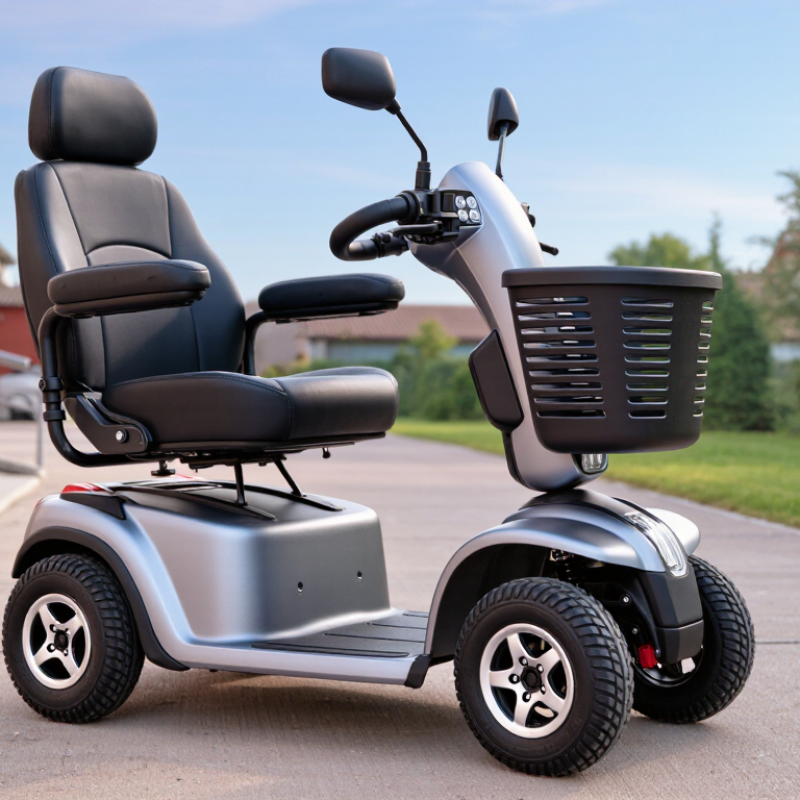
Three-wheel scooters usually turn tightly. They work well in shops, hallways, and crowded apartments. However, they may feel less stable on uneven ground. Four-wheel scooters provide a broader base and calmer handling outdoors. Their turning radius can be frustrating indoors. Measure twice. A mid-size model often balances storage, comfort, and travel range. Heavy-duty scooters support larger users and longer outdoor trips, but they need more parking space and stronger transport equipment.
Technical details deserve equal attention. The U.S. Access Board lists 36 inches as the minimum clear width for an accessible route, so measure doorways and bathroom approaches carefully. Seat height, armrest width, control placement, and suspension affect daily fatigue. Range estimates can change with user weight, slopes, temperature, and tire pressure. Industry testing should be reviewed, but laboratory results are not personal experience. I would test the scooter over thresholds, carpet, ramps, and a real shopping route. Comfort matters. A 2022 WHO report also links inaccessible environments with greater participation barriers, reminding buyers to assess the whole route, not just the scooter. I may favor four wheels for outdoor stability, yet that preference becomes poor advice in a narrow home.
What Is the Best Scooter for Disabled Adults?
Matching Scooter Specifications to Daily Activities and Environments
The best mobility scooter depends on daily routines, not just advertised features. Measure doorways, lift entrances, and turning spaces before choosing a model. A compact scooter may suit supermarket aisles and narrow hallways, while a larger model can offer steadier handling outdoors. Check the turning radius carefully. It matters near kitchen counters and crowded checkout areas.
For short indoor trips, prioritize simple controls, adjustable seating, and a low step-through height. Users with limited hand strength may need light-touch controls and secure, easy-to-reach switches. Outdoor users should examine ground clearance, tire design, lighting, and braking response. Uneven pavements, wet paths, and gentle slopes can expose weaknesses quickly. A stated travel range is useful, but cold weather, heavier loads, and hills may reduce it.
Weight capacity must include the rider, bags, and medical equipment. Transport also changes the decision. A detachable battery or folding frame may help with car travel, yet lighter parts can sometimes feel less robust. That trade-off deserves honest consideration. I would not choose based on range alone. An occupational therapist or qualified mobility specialist can assess posture, transfer ability, vision, and control technique. A supervised trial is valuable, even if the first test feels awkward. Ask whether the seat supports the hips evenly and whether the tiller causes shoulder strain after ten minutes. Real comfort appears during use, not in a showroom glance.
The best scooter depends on personal requirements, not advertising claims. The World Health Organization’s Global Report on Health Equity for Persons with Disabilities estimates that 1.3 billion people experience significant disability worldwide. That figure reflects varied needs, from short indoor trips to daily outdoor travel. A person recovering from surgery may need easy transfers, while another user may prioritize suspension and battery range. Measure the doorway, lift, storage area, and turning space before comparing models. A perfect scooter on paper may not pass through your hallway.
Start with posture and control. Check whether the seat supports your hips and lower back without pressing behind your knees. Test the tiller with both hands. Can you brake, turn, and adjust speed without leaning forward? Short indoor journeys usually favor a compact frame and tight turning circle. Outdoor routes demand larger wheels, stronger stability, and visible lighting. Do not judge comfort from a five-minute test. Try a longer route.
Battery claims need careful reading. The ISO 7176-4 standard measures wheelchair and scooter range under controlled conditions, not every user’s routine. Hills, cold weather, rider weight, tire pressure, and frequent stops reduce real-world distance. I once treated maximum range as the main decision factor; that was too narrow. Reliability also includes charging access, transfer safety, service support, and easy-to-read controls. The U.S. Centers for Disease Control and Prevention reports that about one in four adults has a disability, yet no single design can suit everyone. Test the scooter with your usual shoes, cushion, bag, and daily route. That evidence matters most.