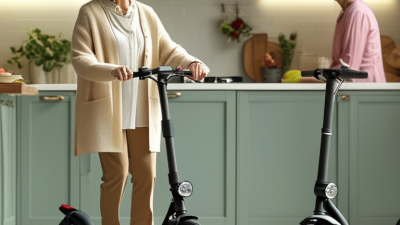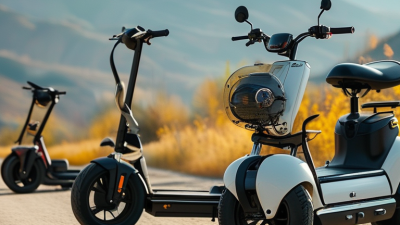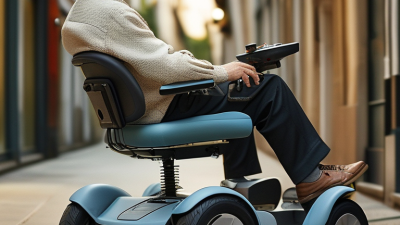

A handicap electric scooter can turn a difficult trip to the grocery store into a manageable one. But choosing well takes more than comparing advertised speed and battery range. Seat comfort, turning space, terrain, transport, and the rider’s daily routine all matter. Fit matters. A scooter that looks ideal online may feel cramped at the kitchen table or struggle on a sloped path.
The World Health Organization’s 2022 Global Report on Assistive Technology estimates that more than 2.5 billion people need at least one assistive product worldwide; nearly one billion lack access. These figures cover many kinds of products, not scooters alone, but they show why suitable mobility equipment matters. WHO Director-General Dr. Tedros Adhanom Ghebreyesus said, “Assistive technology is a human right and a prerequisite for living a healthy, productive, independent, and dignified life.” His statement offers a useful principle: the right choice should support the person’s independence, not just match a specification sheet.
This guide compares practical options, from compact travel models to sturdier scooters for longer outdoor trips. It explains how to assess seat support, controls, battery claims, weight limits, and storage before buying. Range matters. Real-world distance can change with hills, rider weight, temperature, and battery age. No single model suits everyone, and a number on a product page cannot replace a careful trial. Where possible, test the scooter on the surfaces and in the spaces the rider uses every day. That small step can reveal an awkward turn or uncomfortable reach before it becomes an expensive regret.
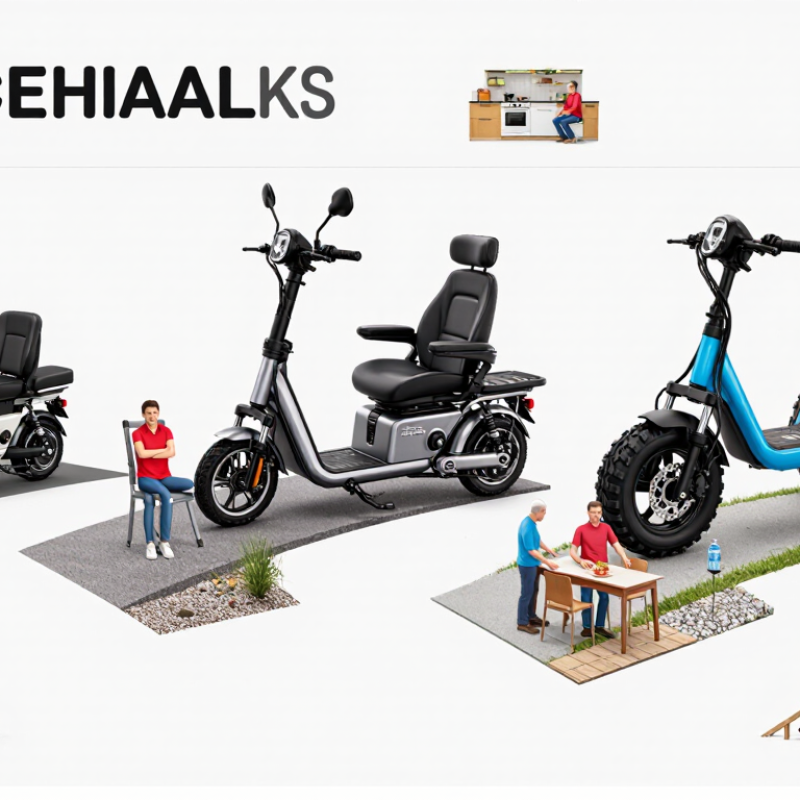
Start with the rider’s everyday routine, not a scooter’s advertised range. Consider travel distance, sitting time, and the rider’s ability to steer, brake, and transfer. Hand strength, balance, fatigue, pain, and vision can affect control and comfort. For complex needs, ask an occupational therapist or mobility specialist to assess posture and operation. The WHO and UNICEF’s 2022 Global Report on Assistive Technology estimates that 2.5 billion people need at least one assistive product. Proper fit and access matter.
Map the actual route: measure doorways, tight turns, elevator entrances, and storage space. Notice thresholds, steep ramps, cracked pavement, and wet or loose surfaces. Check whether the scooter can be charged where it will be stored, and whether it fits in the rider’s vehicle, if needed. A brochure can make range seem decisive; in practice, a narrow doorway or inaccessible outlet may matter more. Specifications alone do not reveal how the scooter handles the rider’s real environment.
Tips: Measure the narrowest doorway and tightest turn. Test the route with the rider, when possible. Keep a note of obstacles you may have overlooked.
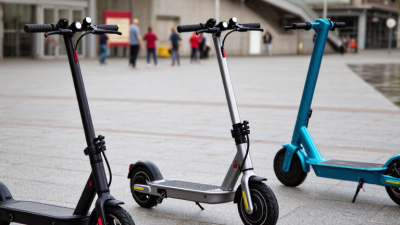
Measure the narrowest doorway, route, and turning area the rider uses every day, then compare them with the scooter’s dimensions and turning radius. These ADA reference dimensions are useful planning benchmarks, not a guarantee that a particular scooter will fit or maneuver safely.
A handicap electric scooter should fit both your body and your daily routes. Travel models are usually smaller and easier to transport, while larger scooters often offer more room and stability. Three-wheel designs can make tight indoor turns; four-wheel models may feel steadier on uneven paths. These are general trade-offs, not guarantees. Try the turning space and seat comfort yourself.
Size is more than the scooter’s length. Check the seat width, tiller position, legroom, and weight capacity against the rider’s needs. Measure doorways, elevator entrances, and the storage area in your car. A scooter that fits through the front door may still struggle in a narrow hallway. That matters. Ask a mobility professional or clinician for advice if posture, balance, or pain affects your choice.
Portability also varies. Some travel scooters separate into several pieces, but lifting each piece can be difficult. Others have folding frames or removable batteries; check the packed dimensions and total lifting weight, not just the advertised feature. Bring your car’s trunk measurements when comparing options, and test loading the scooter if possible. A compact model is not always the easiest one to handle. There is no perfect chart for this; the best fit depends on the rider, route, and storage space.
| How to Choose a Handicap Electric Scooter? - Compare Scooter Types, Sizes, and Portability | |||||
|---|---|---|---|---|---|
| Scooter Type | Typical Overall Size (L × W) | Typical Scooter Weight | Typical Range per Charge | Portability and Storage | Best Suited For |
| Compact 3-wheel travel | About 38–46 × 20–23 in (97–117 × 51–58 cm) | About 75–110 lb (34–50 kg), often including batteries | About 8–15 miles (13–24 km) | Often separates into several pieces; the heaviest piece commonly weighs about 25–40 lb (11–18 kg). Usually easier to maneuver indoors than a 4-wheel model. | Indoor use, smooth paths, tight turns, and users who need a relatively compact scooter. Three-wheel layouts generally have less stability on uneven ground. |
| Compact 4-wheel travel | About 39–47 × 20–24 in (99–119 × 51–61 cm) | About 85–125 lb (39–57 kg), often including batteries | About 8–15 miles (13–24 km) | Many models disassemble into smaller pieces for vehicle storage. Check the weight of the heaviest piece and whether it fits your vehicle’s trunk opening. | Travel and everyday use where a compact footprint and four-wheel layout are preferred. The turning circle may be wider than on a comparable 3-wheel scooter. |
| Mid-size 4-wheel | About 45–55 × 23–27 in (114–140 × 58–69 cm) | About 120–200 lb (54–91 kg), often including batteries | About 15–25 miles (24–40 km) | Usually larger and heavier than travel models; some can be partly disassembled, but loading may require a suitable vehicle, ramp, or lift. | Regular outdoor trips, longer routes, and users who want a larger seat or more ground clearance than compact travel models offer. |
| Full-size or heavy-duty 4-wheel | About 50–62 × 25–31 in (127–157 × 64–79 cm) | About 180–300 lb (82–136 kg), often including batteries | About 20–35 miles (32–56 km) | Typically not practical to lift by hand or store in a standard car trunk. Transport may require a vehicle lift or accessible van. | Users who need a higher weight capacity, a larger seating area, or a more substantial outdoor scooter. Confirm the model’s limits and intended terrain. |
| Folding travel scooter | About 36–45 × 18–23 in (91–114 × 46–58 cm) when in use; folded dimensions vary by model | About 45–75 lb (20–34 kg), often including batteries | About 6–15 miles (10–24 km) | Folds or collapses for storage; some models are designed to be rolled when folded. Verify the folded size, lifting weight, and whether the battery is removable. | Users prioritizing compact storage or occasional transport. Folding convenience can come with a smaller seat, shorter range, or lower weight capacity than larger scooters. |
| Before choosing | Measure doorways, hallways, storage areas, and vehicle access points. Compare seat dimensions, turning space, ground clearance, weight capacity, controls, and the heaviest liftable component with the rider’s needs. Ask a qualified mobility professional or clinician for advice if fit, balance, or transfers are a concern. | ||||
| Important note | Figures are approximate ranges for general comparison, not specifications for a particular scooter. Actual size, weight, capacity, and range vary by model, battery, rider weight, terrain, speed, temperature, and battery condition. Use the manufacturer’s specifications for any purchase or transport decision. | ||||
A handicap electric scooter should fit your daily routine, not just look capable on paper. Check its rated weight capacity and include the rider, bags, and any equipment carried onboard. Staying below the limit leaves a sensible margin. Do not guess.
Range figures are often measured under favorable conditions. Hills, cold weather, frequent stops, tire pressure, and battery age can reduce real-world distance. Think about your longest regular trip, then allow extra distance for the return and small detours. A route to the clinic may feel short until you add a steep driveway. I would not plan every outing around the advertised maximum; that assumption is easy to regret.
Comfort and controls matter just as much. Sit in the scooter for several minutes and check seat support, legroom, and whether your feet rest naturally. If possible, test it over a familiar surface, such as a cracked sidewalk. Pay attention to bumps and turning space. Check that the tiller, speed adjustment, and braking controls are reachable and understandable with your usual hand movement. Some controls may feel simple in a showroom but awkward outdoors. Ask a qualified mobility professional to help assess fit, especially if posture, balance, or hand strength varies from day to day.
When choosing a handicap electric scooter, look beyond its top speed. Check that the seat feels stable and supports your posture, especially during longer outings. Test the brakes on a gentle slope, and see whether the controls are easy to reach and understand. Small details matter. A clear battery indicator and working lights can make everyday trips less stressful.
Match the scooter to your usual terrain. A smooth indoor floor differs from cracked pavement, curb cuts, or packed gravel. Check the stated ground clearance, turning space, and wheel design against routes you actually use. If possible, test a short route with a tight turn and a mildly uneven surface. Try it slowly. A model that handles a showroom floor may feel less steady outside.
Accessibility includes getting on and off, storing the scooter, and charging it. Measure doorways, elevator space, and the vehicle’s storage area before deciding. Consider whether the scooter can be transported without lifting beyond your ability. Ask a qualified mobility professional to assess fit and safe operation, particularly if balance or hand strength is a concern. Specifications help, but they do not capture every awkward doorway or daily routine.
A showroom loop is not enough to judge a handicap electric scooter. Arrange a trial on the surfaces you use: a sloped driveway, a tight hallway, or uneven pavement. Try the seat, controls, turning space, and transfers with your usual bag or walking aid. Try the real route. If possible, test the scooter with a caregiver present and note what feels tiring or awkward. A short test can miss problems that appear after twenty minutes.
Ask the seller to explain service access before you buy. Who handles repairs, how quickly can they respond, and are batteries, tires, labor, and travel costs covered? Read the warranty exclusions carefully and get key terms in writing. Ask awkward questions. The World Health Organization and UNICEF’s 2022 Global Report on Assistive Technology estimates that 2.5 billion people need one or more assistive products; this could rise to 3.5 billion by 2050. That makes long-term support worth checking, not just the purchase price. I would not assume a “full warranty” covers every failure: confirm what happens if the scooter stops during everyday use, and where it must be taken for repair. Ask for the service contact and expected parts lead time. I may still overlook a detail, so write down the answers and compare them after the trial.