
Choosing the right mobility scooter starts with your daily route, not a glossy product photograph. A narrow hallway, a 10-centimetre doorstep, or a steep supermarket ramp can change the decision completely. The 2022 WHO and UNICEF Global Report on Assistive Technology states that more than 2.5 billion people need assistive products worldwide. That figure may exceed 3.5 billion by 2050. A mobility scooter can support independence, but only when its design matches the user’s environment and abilities.
Market research also shows continued growth in the global mobility scooter sector. Grand View Research identified expanding demand for compact, travel-friendly models, especially among older adults and people with limited walking endurance. Yet market growth does not make every model suitable. As rehabilitation-engineering expert Dr. Rory Cooper has said, “A wheelchair is an extension of the person.” The same principle deserves attention when choosing a scooter. Comfort, posture, turning space, battery range, and control layout should feel personal.
There is no perfect model.
Measure your doorway. Check the seat height. Test the tiller before buying. A heavier scooter may feel stable outdoors, but it can become frustrating inside a small home. A lightweight model may fit a car boot, but struggle on uneven paths. These trade-offs are easy to underestimate. Even published range figures can vary with rider weight, temperature, hills, and tyre pressure. The safest choice is rarely the fastest purchase. It is the one that fits real routines, realistic distances, and honest physical needs.
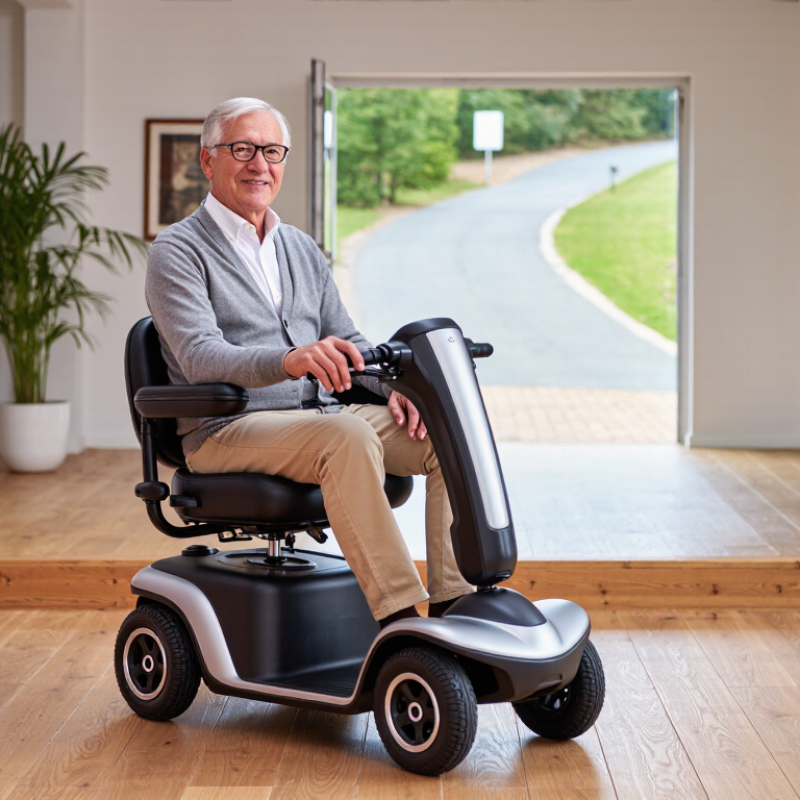
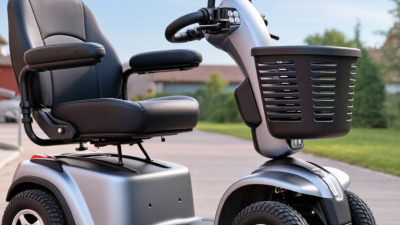
Choosing a mobility scooter begins with understanding where and how you will use it. Travel scooters are lightweight and easier to store, making them suitable for short trips and car transport. Three-wheel models offer a tighter turning radius, which helps in narrow indoor spaces. However, they may feel less stable on uneven ground. Four-wheel scooters provide better balance for pavements, parks, and longer outdoor journeys.
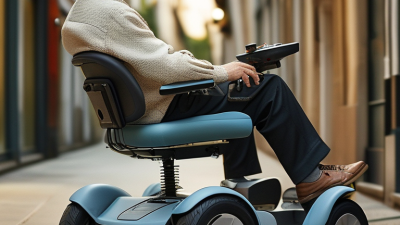
Consider the scooter’s intended environment, not only its appearance. Measure doorways, lift entrances, and storage areas before choosing a model. Check the seat height, handlebar position, and control layout while seated. Your feet should rest comfortably, and the controls should not require stretching. Outdoor users may need stronger suspension, larger tyres, and a higher ground clearance. Heavier users should also check the recommended weight capacity carefully. A common mistake is focusing on maximum travel distance while ignoring charging access.
Tips: Test the turning circle indoors. Try gentle slopes outside. Ask a qualified mobility adviser to assess your posture and daily routes. Confirm battery charging requirements and storage conditions. If you have limited hand strength, test the throttle and brakes repeatedly. Small details matter. I might choose a compact scooter for convenience, then regret it on rough paths. Needs can change, so leave some room for future comfort and support.
How to Choose the Right Mobility Scooter for Your Needs?
Assessing Your Mobility, Terrain, and Travel Requirements
Begin with an honest assessment of your daily mobility. Can you stand safely, turn easily, and control the tiller without pain? A healthcare professional or trained mobility adviser can assess balance, strength, posture, and vision. These details affect stability and control. Do not judge your needs by appearance alone.
Study the surfaces around your home. Smooth indoor floors require different handling from gravel paths, steep ramps, or wet pavement. Measure doorways, lift entrances, and storage areas before choosing a scooter. Check the turning space beside your bed and kitchen table. A compact model may fit indoors but feel unstable outdoors. That trade-off deserves careful thought.
Travel plans also shape the decision. Consider battery range, charging access, transport weight, and dismantling steps. Will the scooter fit inside your vehicle? Can you lift each section comfortably, or will someone help? Public transport may have size and safety requirements, so verify them with the operator. Test the scooter on a familiar route, including a small slope and uneven ground. A short showroom ride can feel reassuring, but it may hide real difficulties. I once underestimated turning space in a narrow hallway; that mistake changed how I measure homes. Perfect choices are uncommon. Your needs may also change over time.
Assessing your mobility, terrain, and travel requirements
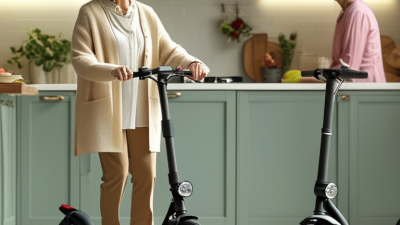
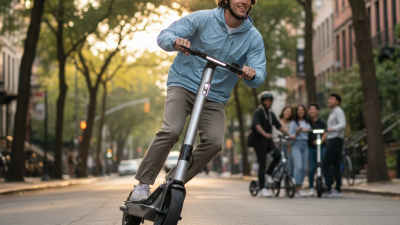
Portable scooters are easier to transport, while larger models generally offer more stability, seating support, and carrying capacity.
For uneven paths, grass, slopes, or outdoor surfaces, prioritize greater ground clearance, larger wheels, and suitable suspension.
Choose a stated range that comfortably exceeds your planned round trip, allowing extra capacity for hills, rider weight, weather, and battery age.
The figures show representative midpoints from commonly published specification ranges. Actual performance varies by model, battery, load, terrain, temperature, and maintenance.
Choosing the right mobility scooter starts with your daily routes, not attractive specifications. Measure doorways, lift spaces, and turning areas at home. A compact model may fit indoors, while a larger scooter can feel steadier outdoors. During a home trial, adjust the seat, tiller, and armrests. Your knees should bend comfortably, and your shoulders should stay relaxed.
Comfort matters over every mile. Look for supportive cushioning, adjustable controls, and suspension suited to uneven paths. Safety features deserve equal attention. Reliable brakes, bright lights, reflectors, mirrors, and anti-tip wheels can improve confidence.
Test the controls slowly. They should respond predictably, even when your hands feel tired. I once underestimated turning space. That mistake made narrow corners stressful.
Tips: Treat advertised battery range as an estimate. Hills, cold weather, heavier loads, tire pressure, and frequent stops reduce distance. Ask for a practical range test on similar terrain. Check charging time and whether the battery can be removed easily. A scooter with modest range may suit short shopping trips better than a powerful model that cannot enter your home. Speak with a qualified mobility professional if balance, posture, or hand strength creates uncertainty. Needs can change. Reassess them honestly.
Start with the places you use most. Measure doorways, hallways, elevator entrances, and the narrowest turning point. A scooter may fit through a doorway but still struggle in a tight bathroom. Measure twice.
Check the scooter’s overall width, length, and turning radius, not only its seat size. Leave several centimeters of clearance for safer movement.
Portability also affects daily use. If you transport the scooter, check its heaviest removable part, folding method, and boot space. A model that separates easily may still be awkward to lift.
I would test the release mechanism before buying, because small steps can feel difficult after a tiring day.
Storage matters. Measure the intended space at home, including handlebar height and charging access. A damp shed or exposed balcony may damage electrical components.
Weight capacity should include the rider, clothing, shopping, and any attached basket. Staying comfortably below the stated limit can support stability and reduce mechanical strain.
Ask a qualified mobility specialist to assess posture, seat support, and control reach. Specifications are useful, but real comfort is personal.
A short trial on a ramp, uneven pavement, and a tight corner reveals more than a showroom spin.
I once underestimated storage space on paper; the scooter blocked a cupboard when parked. That small oversight changed the routine.
Recheck your measurements before paying.
Choosing the right mobility scooter starts with more than its purchase price. Set a realistic budget for the scooter, delivery, accessories, and future repairs. A cheaper model may need battery replacement sooner. That can change the real cost.
Ask about battery life, tire wear, brake checks, and service access before buying. Keep a simple maintenance record with dates and mileage. Clean charging connections carefully, and inspect the tires for cracks. Small problems become expensive when ignored. Some estimates fail. I once underestimated storage needs and regretted choosing a bulky frame.
Regulations vary by location, so check official transport or municipal guidance before using public paths.
Rules may cover speed, lighting, dimensions, registration, or permitted areas. Do not rely only on a salesperson’s explanation. Written local guidance is safer. Also check whether your home entrance, lift, and storage area can accommodate the scooter.
A proper test ride reveals more than a specification sheet. Try turning in a narrow hallway, stopping on a gentle slope, and reversing beside a table. Check whether the controls feel clear with your usual footwear. Sit for at least fifteen minutes. Notice pressure around your hips and lower back. Ask an experienced therapist or mobility specialist to observe your posture. Take notes immediately, because comfort can feel different after repeated use.