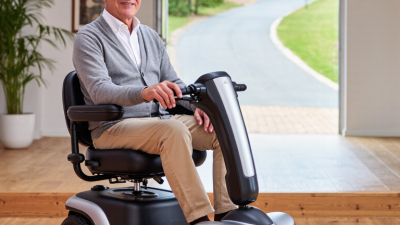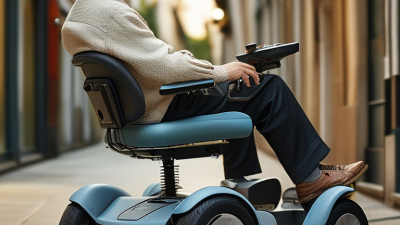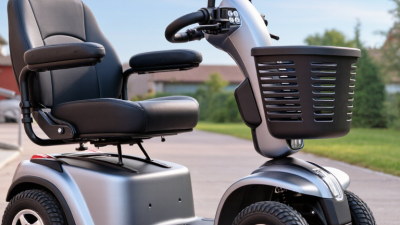

Choosing a motorized scooter for elderly adults is not simply a question of speed or price. The right model should suit the rider’s balance, strength, daily routes, and storage space. A narrow three-wheel scooter may turn neatly through a hallway. A four-wheel model often feels steadier on uneven paths. Small details matter.
Mobility researcher Dr. Rory A. Cooper’s work offers a useful principle: assistive technology should fit the person and the environment. That idea applies to scooters, too. Before comparing models, consider whether the rider needs help mainly indoors, on neighborhood outings, or during longer trips. Measure doorways, check the lift or vehicle, and notice how easily the rider can reach the controls. These practical checks are easy to overlook.
The main types include compact travel scooters, full-size three- and four-wheel scooters, and heavy-duty models built for higher weight capacities or longer outings. Folding and portable designs can simplify car trips, though smaller wheels may feel less comfortable on rough ground. Full-size scooters may offer better range and support, but they need more room to turn and store. There is no perfect category. I should admit that labels like “portable” can hide real trade-offs; a model that looks convenient in a shop may feel awkward on a steep driveway. This guide compares the common types, their strengths, and their limits, so families can ask better questions before choosing.
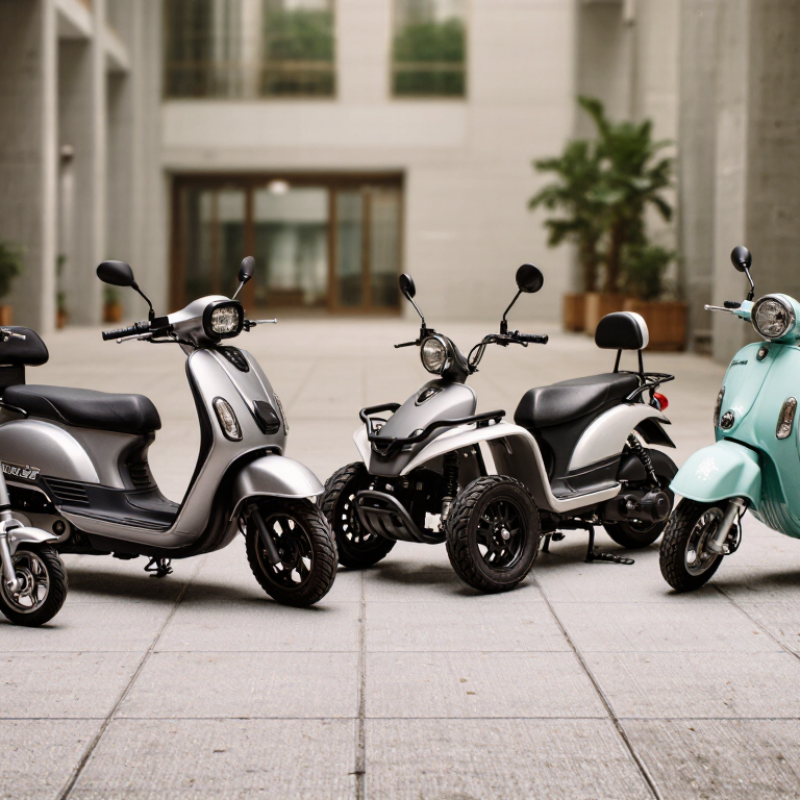
Motorized scooters for older adults are best classified by function, not age alone. In practical assessments, four features matter: wheel layout, portability, intended surface, and seating or control arrangement. Three-wheel models usually turn more tightly indoors, while four-wheel designs often feel steadier on uneven paths. Neither layout guarantees safety; balance, vision, transfer ability, and turning space all affect fit. Small detail, big difference.
Portability creates another useful category. Compact or folding scooters can fit in a car trunk and suit short errands, but smaller wheels and batteries may limit range and comfort on rough surfaces. Full-size models often provide larger seats and more outdoor stability, though they need more storage space. Heavy-duty models have higher weight capacities, but capacity alone does not predict comfortable daily use. Specs can mislead.
The World Health Organization and UNICEF’s 2022 Global Report on Assistive Technology estimates that 2.5 billion people need one or more assistive products worldwide. That figure is not scooter-specific, but it underscores the need to match equipment to individual needs. The U.S. Census Bureau counted 55.8 million residents aged 65 or older in the 2020 Census; age alone, however, says little about mobility requirements. A qualified mobility professional can assess posture, reach, braking, doorway width, and the actual route, including cracked curb ramps or steep driveways. Classification helps, but it is imperfect. Test the scooter where it will be used.
Illustrative top speeds by common scooter type. Categories can overlap: for example, a portable scooter may have three or four wheels.
Speeds are approximate examples, not fixed limits. Actual performance varies by model, rider weight, terrain, battery condition, and local regulations. Choose a scooter based on stability, portability, range, and the rider’s needs—not speed alone.
Three-wheel motorized scooters can suit older adults who travel mainly through homes, clinics, or compact shops. Their single front wheel often allows a tighter turning arc than comparable four-wheel layouts. That can help when lining up beside a kitchen counter or moving through a wide doorway. Check the turning radius, overall width, and seat height before buying; “compact” varies by model. Measure the narrowest doorway and the space needed to turn near furniture. Small details matter.
A three-wheel design may feel nimble, but it is not automatically the safest choice. Its narrower front footprint can feel less stable on uneven paving, sloped driveways, or sharp turns taken too quickly. Keep turns slow, especially when carrying a bag that shifts weight. Test it slowly. Notice whether your knees clear the tiller and whether controls are reachable without leaning. Check battery range against daily trips, with extra capacity for detours and battery aging. I would not judge fit from photos alone; room layouts and balance needs differ. A mobility professional can assess posture, transfers, and individual risks. That appointment may seem fussy, but it can help prevent an expensive mismatch.
Typical specifications vary by model, battery, rider weight, terrain, and local regulations. Use the figures below as general comparison ranges, not guaranteed performance.
| Scooter Type | Typical Configuration | Typical Turning Radius | Typical Maximum Speed | Typical Range per Charge | Best Suited For | Key Consideration |
|---|---|---|---|---|---|---|
| Compact three-wheel | Three wheels; compact frame; tiller steering | About 30–36 in (76–91 cm) | About 4 mph (6 km/h) | About 8–15 mi (13–24 km) | Indoor use, shops, and tighter turns | Often less stable than a four-wheel scooter on uneven surfaces; check the turning space and doorway width. |
| Compact four-wheel | Four wheels; compact footprint | About 40–50 in (102–127 cm) | About 4 mph (6 km/h) | About 8–15 mi (13–24 km) | Indoor and paved outdoor trips where extra stability is valued | Usually needs more room to turn than a comparable three-wheel model. |
| Portable or folding travel | Lightweight, disassemblable, or folding design; commonly three or four wheels | About 35–50 in (89–127 cm), depending on design | About 3–5 mph (5–8 km/h) | About 6–12 mi (10–19 km) | Short outings and transport in a vehicle | Confirm the heaviest component’s lifting weight and the folded or disassembled dimensions. |
| Mid-size outdoor | Typically four wheels; larger frame and battery | About 50–65 in (127–165 cm) | About 5–8 mph (8–13 km/h) | About 15–25 mi (24–40 km) | Longer trips on paved paths and firm outdoor surfaces | Larger size can make indoor maneuvering and vehicle transport more difficult. |
| Heavy-duty outdoor | Typically four wheels; reinforced frame and higher-capacity seating | About 60–80 in (152–203 cm) | About 5–8 mph (8–13 km/h) | About 20–35 mi (32–56 km) | Longer outdoor journeys and riders needing a higher weight capacity | Check overall width, turning space, transport needs, and the manufacturer’s stated weight limit. |
Four-wheel motorized scooters can feel more planted outdoors because their wider stance may limit side-to-side rocking on cracked paths or driveway slopes. The extra wheels do not make every model equally stable. Compare wheelbase, tire size, ground clearance, turning radius, and speed controls. A long wheelbase may track steadily, but feel awkward near a garden gate. That matters.
The World Health Organization’s Falls fact sheet estimates 684,000 fatal falls worldwide each year, with adults over 60 accounting for the greatest number. This figure covers falls generally, not scooter crashes, so it cannot prove that one scooter layout prevents injury. Still, it makes route conditions worth considering.
Check how the scooter handles a gentle slope, curb cut, and tight turn before relying on it outdoors. Test the turn. A four-wheel model can need more room indoors, and rough ground may still unsettle a small-wheeled scooter.
I would not call any model foolproof; that would be too neat. Ask a mobility specialist to assess fit, posture, and typical routes, then practice at low speed on familiar pavement.
Portable and folding motorized scooters can make short trips easier while taking up less room at home. Some fold as one unit; others separate into smaller pieces for a car trunk. Check the heaviest piece’s weight, not just the scooter’s advertised total. That number matters when lifting is difficult.
A compact design still needs to feel steady and comfortable. Look at the seat, legroom, turning space, and tire type, then compare them with the places you actually travel. A narrow hallway or uneven pavement can expose limits that a showroom floor will not. Try folding and unfolding the scooter yourself, if possible. It should not require a wrestling match. Also measure your trunk, doorway, and storage area before buying.
For travel, confirm how the scooter’s battery can be transported with the carrier or transport provider; requirements vary. Check the user manual for charging and storage guidance, especially during long periods without use. Folding mechanisms and removable parts may become awkward with age or reduced hand strength, so practice at home. A clinician or mobility specialist can help assess whether a particular model suits your balance, strength, and daily routes. Do not assume the smallest scooter is the safest fit.
Heavy-duty motorized scooters suit older adults who need more support or travel farther from home. Their stronger frames and higher weight limits can provide a steadier ride, but check the exact capacity before buying. Include the rider, bags, and any fitted accessories in the total load. A little margin is sensible.
Longer journeys depend on more than battery size. Hills, cold weather, tire pressure, and frequent stops can reduce real-world range. Ask how far the scooter travels under conditions close to your usual route, then leave room for the return trip. Range claims can be optimistic. That part deserves a second look.
Comfort and handling matter over distance. A padded seat, adjustable tiller, and effective suspension may help on cracked pavement, while a larger scooter can be harder to turn in a narrow hallway. Check the turning space at home and whether the scooter fits your vehicle or storage area. A short test ride on both smooth and uneven ground can reveal awkward controls or uncomfortable posture. If balance, vision, or joint pain affects riding, an occupational therapist or mobility specialist can help assess fit. The best choice is not always the biggest one.