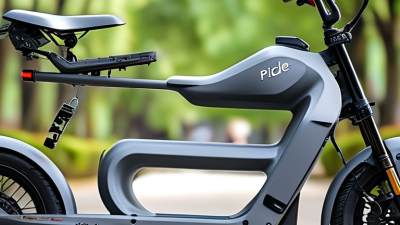

China’s electric scooter manufacturing sector now serves commuters, distributors, mobility retailers, and private-label buyers worldwide. For anyone searching “pride electric scooter,” careful product verification remains essential. The phrase may describe a Pride Mobility product, a pride-themed model, or a buyer’s intended search term. It should not automatically imply brand authorization.
Industry data confirms strong market momentum, although published estimates differ. Grand View Research valued the global electric scooter market at approximately USD 33.3 billion in 2023. Its report also projected continued expansion through 2030. Fortune Business Insights reported a different market value because its methodology covers related vehicle categories. These differences matter. Market boundaries are not perfectly consistent.
China remains a major production base because manufacturers combine battery sourcing, motor engineering, software integration, and flexible assembly. Experienced buyers should inspect more than glossy factory photographs. Check battery certifications, controller performance, frame welds, charger specifications, and spare-parts availability. A scooter displayed in a showroom may not match the exported configuration.
Details matter. A reliable supplier should provide traceable test records, clear warranty terms, and realistic production timelines. Buyers should also verify whether batteries use lithium-ion or lead-acid chemistry. Range claims require careful reading because rider weight, temperature, terrain, and speed change performance.
This guide evaluates leading Chinese manufacturers through a practical purchasing lens. It considers engineering capability, quality systems, customization experience, export support, and after-sales responsiveness. No ranking is universally correct. Some factories excel at volume, while others handle smaller, specialized orders better. That distinction is easy to miss. A thoughtful comparison can reduce costly misunderstandings and support safer, more dependable purchasing decisions.
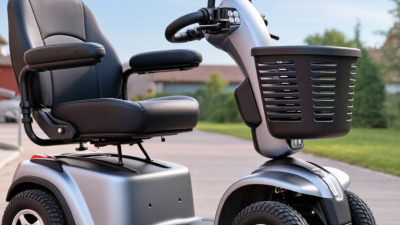
Pride electric scooters are mobility aids designed to support people with limited walking ability. They are not simply small recreational vehicles. Most models use a stable seat, handlebars, rechargeable batteries, and low-speed controls. Buyers often compare three-wheel and four-wheel designs. Three-wheel scooters turn more tightly indoors, while four-wheel scooters usually feel steadier on uneven paths.
Their main uses include shopping trips, hospital visits, neighborhood travel, and movement across large buildings. A practical evaluation should examine seat width, turning radius, ground clearance, battery range, and charging time. For example, a shopper may need to pass through a 70-centimeter doorway or carry groceries under the front basket. Comfort matters too. Firm suspension and adjustable armrests can reduce fatigue during longer rides.
Manufacturer information should match real operating conditions, not only laboratory figures. Advertised range may decrease with heavier loads, hills, cold weather, or frequent stops. This detail is easy to overlook. Buyers should request battery specifications, service procedures, spare-part availability, and safety test records from Chinese suppliers. Local road rules and accessibility requirements also deserve careful checking. A scooter can appear powerful yet feel awkward in a narrow apartment corridor. That is a useful reminder: performance must fit the user’s daily environment.
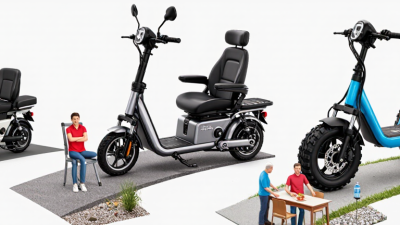
China Top Pride Electric Scooter Manufacturers for Buyers
When evaluating Chinese pride electric scooter manufacturers, begin with the factory, not the catalog. Ask how long the plant has produced mobility scooters and request recent production records. A reliable supplier should explain frame materials, motor ratings, battery chemistry, charging cycles, and maximum user weight clearly. Vague answers deserve caution.
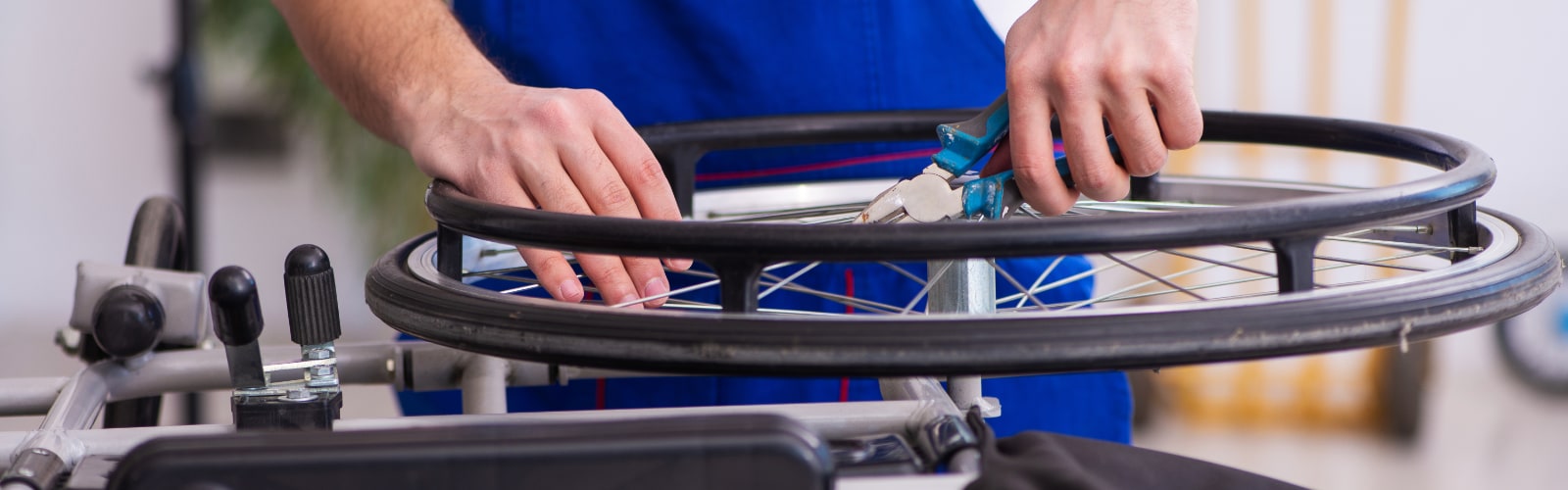
Request a working sample before placing a large order. Test braking on a dry slope, turning in a narrow hallway, and battery performance after repeated use. Check welds, tire alignment, seat adjustment, controller response, and charger heat. Small details matter. The scooter should feel stable, not merely attractive in photographs. Ask for test reports from qualified laboratories and documentation required for your target market. Certification names alone are not enough.
Factory audits should cover incoming parts, assembly checks, final inspection, and serial-number traceability. Confirm warranty terms in writing, including battery coverage and replacement-part availability. Ask for video evidence of endurance testing, but do not treat videos as proof. An independent inspection is stronger. Communication speed also reveals operational discipline. Some suppliers answer quickly before payment, then respond slowly afterward. That risk is easy to underestimate. Even careful buyers can miss differences between a sample and mass production. Therefore, approve a pre-shipment inspection standard with measurable limits for noise, speed, range, and cosmetic defects.
| Evaluation Dimension | What Buyers Should Verify | Relevant Standard or Evidence | Practical Acceptance Criteria | Recommended Documentation |
|---|---|---|---|---|
| Product Classification | Confirm whether the scooter is a mobility scooter, personal light electric vehicle, or another regulated product category in the destination market. | Destination-country road, medical-device, consumer-product, and electrical-safety regulations. | The technical specification, labeling, intended use, and regulatory category should be consistent across all documents. | Product classification statement, technical file index, user manual, and market-entry checklist. |
| Quality Management | Assess whether production and corrective-action processes are controlled and repeatable. | A valid ISO 9001 certificate issued for the relevant manufacturing site and scope. | Certificate details should match the legal entity, factory address, product scope, and validity period. | Certificate, process-flow chart, inspection plan, nonconformity records, and corrective-action procedure. |
| Battery Safety | Verify cell traceability, battery-management-system protection, charging control, and pack-level safety. | UN 38.3 transport test documentation; IEC 62133-2 may be relevant for portable sealed secondary lithium cells and batteries. | The tested battery model, cell configuration, charger, and production version must match the proposed product. | UN 38.3 test summary, battery specification, BMS description, cell records, and charger test report. |
| Electrical and EMC Compliance | Check protection against electric shock, abnormal operation, electromagnetic interference, and charger-related hazards. | Applicable IEC/EN electrical-safety and EMC standards, plus destination-market legislation. | Test reports should identify the exact model, electrical ratings, test laboratory, standard edition, and test result. | Electrical-safety report, EMC report, charger report, wiring diagram, and declaration of conformity where required. |
| Ingress Protection | Determine how well enclosures protect electrical parts from dust and water under the intended operating conditions. | IEC 60529 IP-code testing. | The claimed IP rating should be supported by a report for the complete relevant enclosure, not only an individual component. | IP test report, enclosure drawings, sealing specifications, and operating limitations in the manual. |
| Frame and Mechanical Durability | Evaluate frame strength, steering stability, braking performance, fastener security, and resistance to repeated use. | Applicable mobility-scooter, personal-mobility-vehicle, or destination-market mechanical test requirements. | Require load, fatigue, braking, incline, vibration, and stability results using the final production configuration. | Mechanical test plan, load rating, brake specification, torque records, and production inspection checklist. |
| Performance Consistency | Compare claimed range, speed, gradeability, payload, acceleration, and charging time with independently measured results. | A documented test method with defined rider/load, surface, temperature, battery state, and tire pressure. | Published specifications should state test conditions and distinguish laboratory results from real-world operating expectations. | Performance test report, dynamometer or road-test records, battery data, and signed final inspection results. |
| Component Traceability | Check whether batteries, controllers, motors, chargers, brakes, and critical fasteners can be traced to batches and suppliers. | Internal lot-control procedures and documented supplier-approval processes. | Each finished unit should have a serial number linked to production date, component batches, inspection results, and shipment records. | Bill of materials, serial-number policy, incoming-inspection records, and batch-retention procedure. |
| Factory and Pre-Shipment Inspection | Confirm that the manufacturing site can perform assembly, testing, packing, and final-release activities under controlled conditions. | On-site audit, production-line assessment, and agreed inspection level such as AQL-based sampling. | Use approved samples, defined critical defects, calibration records, and a written release procedure before shipment. | Audit report, inspection standard, calibration certificates, defect classification, and pre-shipment report. |
| Customization Control | Evaluate the ability to modify color, seating, controls, battery capacity, packaging, firmware, and user documentation without reducing safety. | Engineering-change control, sample approval, and verification testing for modified configurations. | Every customization should have a revision number, approved drawing, changed-parts list, and documented re-test decision. | Technical drawings, golden sample, engineering-change notice, artwork approval, and revised test records. |
| Packaging and Transportation | Assess protection against impact, moisture, incorrect handling, and lithium-battery transport restrictions. | UN 38.3 transport documentation and applicable dangerous-goods, packaging, and carrier requirements. | Packaging should secure the scooter, protect controls and battery, show handling marks, and include accurate shipping labels. | Packaging specification, drop-test record, carton dimensions, pallet plan, battery shipping documents, and labels. |
| After-Sales Support | Verify spare-parts availability, troubleshooting capability, warranty handling, and response time. | Written warranty policy, service-level agreement, parts list, and technical-support process. | Define warranty duration, exclusions, claim evidence, replacement responsibilities, spare-parts lead time, and escalation contacts. | Warranty terms, service manual, exploded parts diagram, fault-code list, and support contact matrix. |
| Commercial and Ethical Risk | Review payment security, intellectual-property ownership, production capacity, labor practices, and continuity of supply. | Contract review, supplier due diligence, factory audit, and independent verification of material claims. | Use clear specifications, approved samples, milestone payments, confidentiality terms, inspection rights, and change-notification clauses. | Sales contract, pro forma invoice, capacity statement, audit records, compliance declarations, and intellectual-property agreement. |
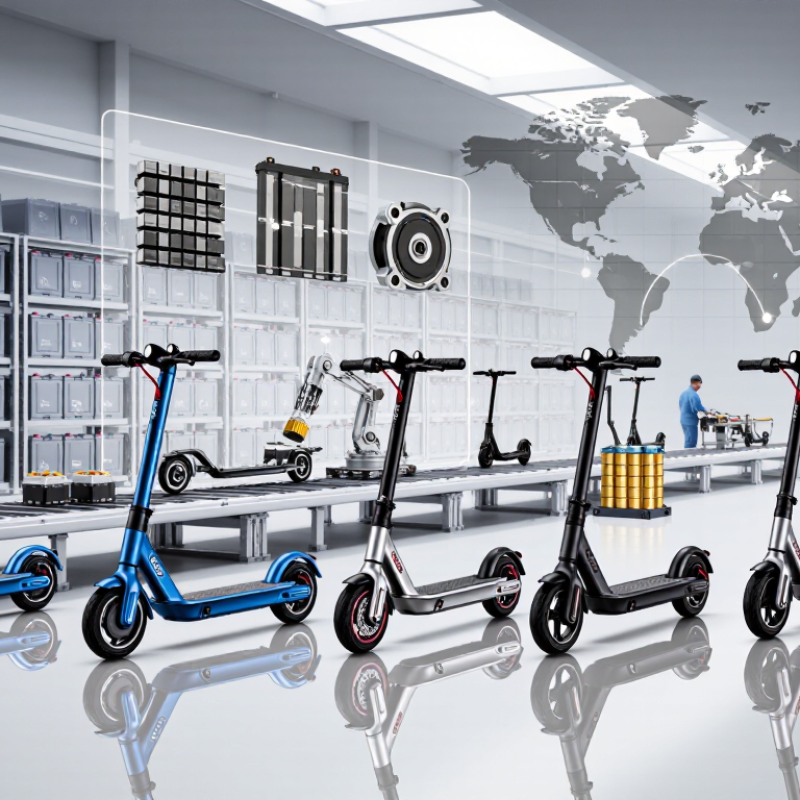
China’s leading electric scooter manufacturers compete through practical engineering, flexible production, and steady quality control. Many operate integrated facilities for frames, motors, battery packs, and electronic controllers. This structure can shorten development time and reduce communication errors. Buyers can request samples before approving large orders. That step matters.
Their product strengths often include lightweight aluminum frames, dual braking systems, and removable battery designs. Urban models may use 8.5- to 10-inch pneumatic or solid tires. Larger versions usually offer stronger suspension and higher ground clearance. Battery management systems help monitor temperature, charging, and cell balance. Reliable factories also conduct waterproofing, vibration, range, and repeated braking tests. Ask for test records, not attractive catalog claims.
Manufacturing quality differs between suppliers. Some factories provide clear component traceability, production photos, and documented inspection procedures. Others may offer impressive specifications but limited after-sales support. This gap matters. Buyers should examine motor ratings, charger compatibility, spare-part availability, and warranty response times. Safety documentation should match the destination market’s requirements. A useful factory partner will explain limitations honestly, including reduced range in cold weather or on steep roads. Real-world performance rarely matches laboratory figures. Pilot orders remain sensible, even when the factory appears experienced. Regular communication with engineers can also reveal whether customization is genuinely supported or merely advertised.
China’s leading electric scooter manufacturers differ sharply in quality, certification, pricing, and customization. A polished product photo proves very little. Buyers should inspect frame welds, battery housing, brake response, tire grip, and folding stability.
A reliable factory can provide recent test reports, quality-control records, and traceable battery information. Check whether certifications match your destination market, such as CE, UKCA, or UL-related requirements. Certificates should identify the actual model, not only a similar product.
Prices usually reflect battery cells, motor power, controller quality, warranty coverage, and production volume. The cheapest quotation may exclude packaging tests, spare parts, or replacement support. Ask for a complete landed-cost sheet. Custom options may include deck colors, display layouts, app functions, lighting, and packaging. However, low order quantities can raise unit prices and delay production. Request a sample before approving a large order. No checklist is perfect. Even experienced buyers can overlook charger compatibility or small software faults.
Tips: Compare identical specifications, not headline prices. Test the scooter on a slope, rough pavement, and wet-looking surfaces only when safe and lawful. Confirm battery safety documents, warranty terms, spare-part availability, and inspection procedures in writing. Keep one approved sample for future comparison. Be cautious with unusual discounts. They often deserve a second question.
Selecting an electric scooter begins with the riding environment, not the catalog photo. Measure daily distance, road slope, rider weight, and storage space. A 350W motor may suit flat city streets, while steep routes need stronger torque and reliable cooling. Ask for tested range, not only advertised range. Range changes with temperature, load, tire pressure, and riding speed.
Check battery chemistry, cell documentation, charger specifications, and protection systems. Request inspection reports, warranty terms, spare-part lists, and clear production timelines. For imports, verify destination-country requirements before placing a deposit. These may cover lights, brakes, speed limits, labeling, electrical safety, and battery transport. Confirm whether the supplier can provide compliant documents. Do not assume a familiar certificate works everywhere.
Packaging deserves attention. A reinforced carton, internal supports, and moisture protection can prevent costly damage at the port. Ask for photos of packed units and confirm shipping marks. Independent pre-shipment inspection is useful, especially for a first order. I once saw a beautiful sample hide weak folding hardware; repeated opening exposed the problem. Small details matter. Compare sample performance with mass-production controls. A written specification helps, but it cannot replace testing. Keep communication precise, and record every approved change before manufacturing begins.