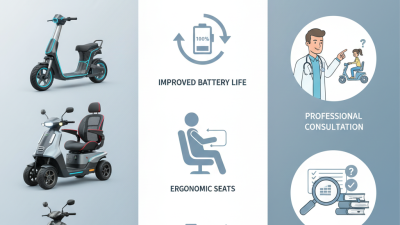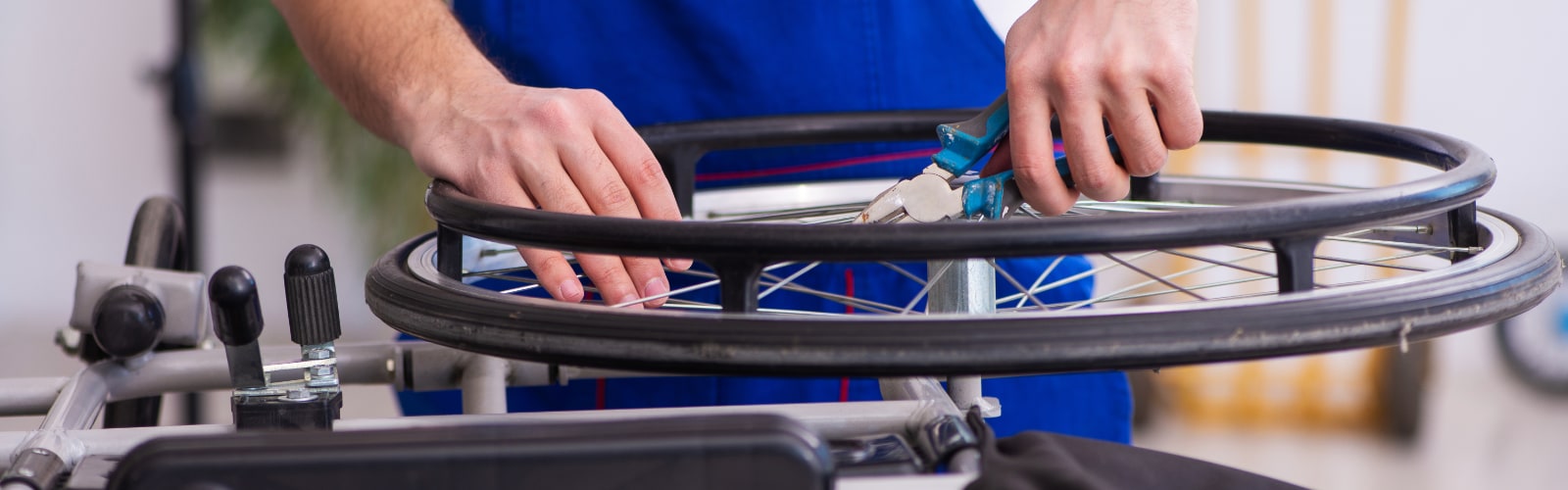

Choosing the best mobility chair for a senior is not about buying the most advanced model. It is about matching the chair to daily routines, physical needs, and home surroundings. Can it turn beside the kitchen table? Are the armrests easy to reach? Will it fit through the bathroom doorway? Small details can shape comfort and independence.
The need is significant. The World Health Organization’s 2022 Global Report on Assistive Technology estimates that 2.5 billion people need assistive products, with demand expected to reach 3.5 billion by 2050. This figure covers many products, not mobility chairs alone. In the United States, the CDC reports that about one in four adults aged 65 and older falls each year. A chair cannot prevent every fall, but fit, stability, and ease of use deserve careful attention. Rehabilitation engineer Rory A. Cooper, PhD, is a leading expert in wheelchair design and assistive technology. His work highlights a useful principle: mobility equipment should support real-world participation, not merely movement. That matters. Still, no single chair suits every person, and product claims do not replace an assessment by a qualified clinician. The guide ahead compares key options and practical features, helping families ask better questions before choosing a mobility chair.

A mobility chair is more than a seat with wheels. It can help an older adult move around the home, conserve energy, and join everyday activities with greater confidence. The right choice depends on where and how the chair will be used. A compact chair may turn easily in a narrow hallway, while larger wheels can handle some uneven outdoor paths. Yet a chair that works outside may feel bulky beside a kitchen table. Fit matters. So do posture, foot support, braking, and the person’s ability to transfer safely. A chair can look ideal online and still feel wrong at the doorway.
Tips: Measure doorways and turning spaces before choosing. Try the chair on the surfaces the user visits most. Check that brakes are reachable and the seat supports a comfortable position. For changing health needs or transfer concerns, ask a clinician or occupational therapist for guidance.
A useful mobility chair should support independence without making daily movement harder. Notice small details: a footrest catching on a rug, a seat that presses behind the knees, or handles that sit too high for a caregiver. These can affect comfort and safe use. Needs may also change over time, so reassess fit after a move, a fall, or a change in strength. I might be tempted to focus on speed or appearance, but those details are not always the ones that matter most at home.

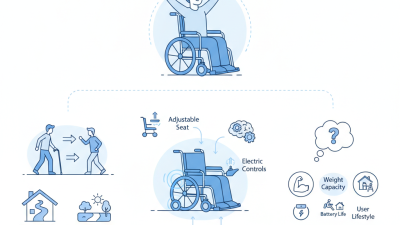
Mobility chairs serve different needs, so the best type depends on strength, distance, and surroundings.
A transport chair is pushed by a companion and folds for car trips. It suits outings, but the user cannot propel it independently. A manual wheelchair allows self-propulsion, though it requires arm strength and smooth, accessible routes. Small thresholds and thick rugs can make a short trip tiring.
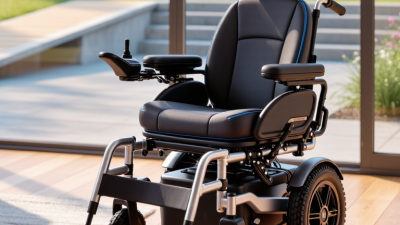
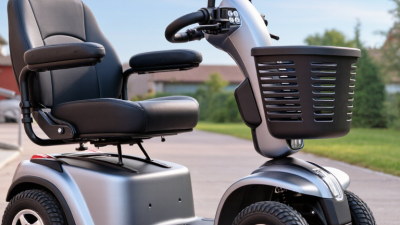
Power wheelchairs use a joystick and can help people who cannot push a manual chair. They need charging, turning space, and suitable door widths. Mobility scooters are often better for longer outdoor trips, but may be awkward in tight rooms.
CDC’s National Center for Health Statistics reported that 6.1 million U.S. adults used mobility devices in 2011; its report included wheelchairs and scooters. That figure is useful context, not a prescription for any one person.
A careful fit matters. Check seat width, foot support, transfer ability, and where the chair will be stored. An occupational therapist or other qualified clinician can assess these needs.
I would not choose by speed alone. A chair that fits the hallway, car, and daily routine may prove more useful than a more powerful one.
Choosing a mobility chair starts with the user, not the product label. The World Health Organization’s 2023 wheelchair-provision guidelines emphasize individual assessment, fitting, training, and follow-up. That matters because seat width, footrest position, and armrest height affect comfort and safe transfers. Measure the person while seated, then check doorways, turning space, and the route to the bathroom. Small details count.
Stability matters, but so does daily practicality. The U.S. Centers for Disease Control and Prevention reports that more than one in four adults aged 65 and older falls each year. A chair cannot prevent every fall, yet reachable brakes, supportive seating, and manageable transfers can reduce avoidable strain. Test it on the surfaces the person actually uses. A wide seat may feel reassuring, but can make tight turns awkward. I wouldn’t choose from a photo alone.
Also consider who will push, fold, lift, or maintain the chair. Check its weight, turning radius, brake access, and whether the user can operate controls without pain or confusion. For powered models, ask a qualified clinician or mobility specialist to assess posture, vision, hand control, and the home environment. CDC fall statistics describe risk, not which chair is best; individual fit still needs careful judgment.
A mobility chair should fit the senior’s daily routes, not just look comfortable in a showroom. For narrow hallways, check turning space and control response. For outdoor use, ask about tire type, battery range, and how the chair handles uneven pavement. Seat width, cushioning, footrests, and easy-to-reach controls matter during longer outings. Comfort is personal.
Cost comparisons should include more than the purchase price. Ask whether the quoted amount covers delivery, setup, batteries, adjustments, and later repairs. A lighter chair may be easier to transport, but it may not offer the support or range someone needs. A more feature-rich model can also bring extra maintenance costs. Not always a better fit.
Available support varies by location, eligibility, and the person’s care plan. A clinician or occupational therapist can help assess posture, transfers, and safe operation. Before buying, ask suppliers about in-home assessments, trial periods, servicing, and help when a battery fails. Bring a list of typical routes, such as the bedroom doorway and the trip to the local shop. One showroom lap is not enough. I’d still leave room for revision: needs can change, and even a careful first choice may require adjustment.
A mobility chair should fit the person, not just the doorway. A seating professional can check seat width, depth, foot support, and posture while the user sits naturally. There should be room for a flat hand between the user’s hips and the seat sides, without the body sliding forward. For powered chairs, confirm that the person can reach and operate the controls comfortably. The World Health Organization’s Guidelines on the provision of wheelchairs in less-resourced settings stress assessment, fitting, training, and follow-up as parts of safe wheelchair provision. A quick showroom test is not enough.
Practice on level ground before tackling ramps or crowded aisles. Keep both feet supported, slow down near thresholds, and use the brakes before transferring. This matters: the CDC reports that about one in four U.S. adults aged 65 and older falls each year. A chair cannot prevent every fall, but good fit and careful use can reduce avoidable hazards. Even experienced users miss small changes.
Check brakes, tires, footrests, and fasteners regularly; listen for new rattles and watch for uneven tire wear. Keep batteries charged according to the manufacturer’s instructions, and arrange professional service if steering feels loose or braking weakens. Write down problems as they appear. That habit can be imperfect, but it helps a technician spot a pattern before a minor issue becomes a safety concern.
As general wheelchair-fitting rules of thumb, allow about 1–2 inches of extra seat width beyond the user’s widest hip measurement, and choose a seat depth about 1–2 inches shorter than the measurement from the back of the buttocks to the crease behind the knee. These are starting points, not a substitute for an individual assessment by a qualified seating professional.