
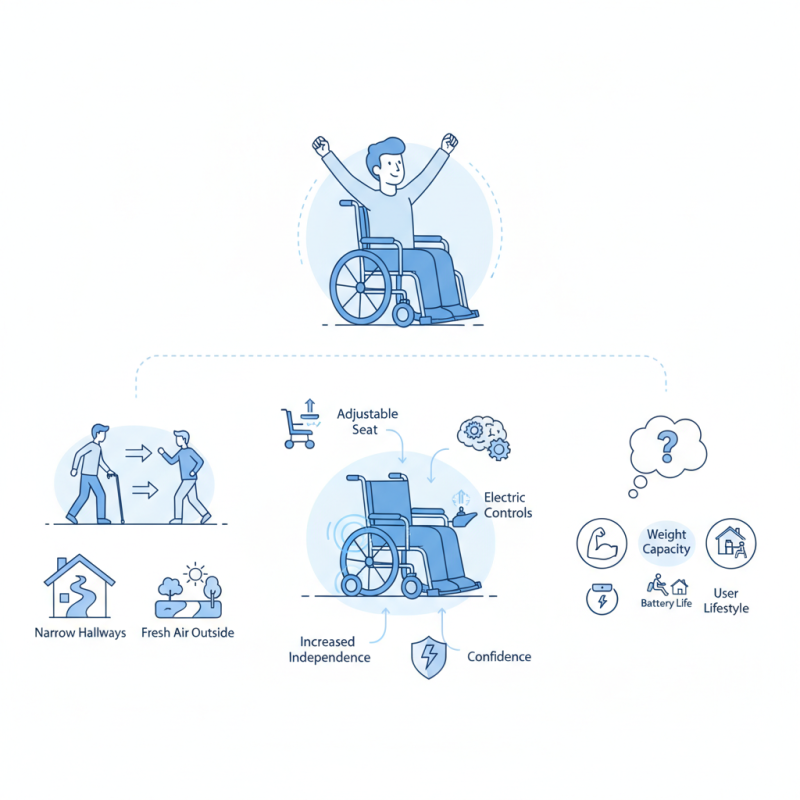
A motorized chair represents a significant advancement in mobility technology. These powered devices offer users increased independence and comfort. Whether navigating narrow hallways or feeling the fresh air outside, a motorized chair can transform daily life.
Many individuals face challenges with traditional mobility methods. They often require assistance or feel restricted. A motorized chair helps bridge this gap by providing adjustable seating and easy maneuverability. The design often includes features like electric controls and customizable settings. This empowers users to move with confidence.
Despite the benefits, selecting the right motorized chair can be overwhelming. Factors like weight capacity and battery life must be considered. Users should reflect on their specific needs and preferences. A motorized chair should not only function well but also align with the user’s lifestyle.
A motorized chair, also known as a power wheelchair, is designed to enhance mobility for individuals with limited movement. These chairs are equipped with electric motors powered by batteries, allowing users to travel with ease. According to the National Institute on Aging, nearly 30% of older adults have difficulty with mobility. This highlights the importance of assistive devices.
Motorized chairs come with various features tailored to user needs. They often include adjustable seating, joystick controls, and customizable speed settings. Research indicates that such devices can significantly improve the quality of life for users. A report by the World Health Organization states that assistive devices help individuals regain independence and participate in daily activities.
However, there are areas needing improvement. Some users report challenges with battery life and weight. Regular maintenance can be cumbersome for many. Battery-dependent devices might limit usage during long outings or when charging options are unavailable. While the benefits are clear, addressing these flaws is vital for enhancing user experience.

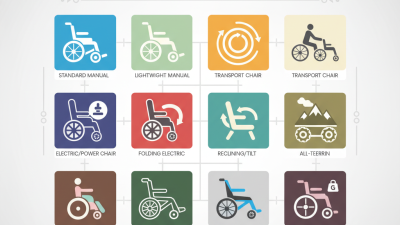
Motorized chairs have become essential tools for enhancing mobility. Various types of motorized chairs suit different needs and lifestyles. They generally fall into categories such as powered wheelchairs, mobility scooters, and recliner chairs. Each type serves a specific purpose. Understanding these categories is vital for making informed choices.
Powered wheelchairs feature advanced maneuverability. They are perfect for indoor and outdoor use. Mobility scooters offer a compact design, ideal for running errands or leisure activities. Recliner chairs are designed for comfort and provide a relaxed seating experience. Each type has unique advantages yet may have limitations. For instance, scooters may not navigate obstacles as effectively as powered wheelchairs.
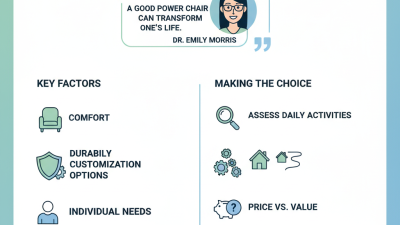
Tips for selecting a motorized chair involve assessing needs. Consider your daily activities, your environment, and your health conditions. Test different models to find the best fit. Seek professional guidance if needed. This ensures a better match. While motorized chairs greatly improve mobility, they require regular maintenance. Keep this in mind for long-term usability.
Motorized chairs significantly enhance mobility for individuals with limited movement. Their key features provide independence and ease of use. These chairs come equipped with adjustable speed settings, allowing users to navigate different terrains. The smooth, responsive controls are designed for user-friendly interaction. This ensures that anyone can operate the chair without extensive training.
Comfort is a critical aspect. Many motorized chairs include contoured seating and adjustable armrests. These features help support proper posture. A well-fitted chair can prevent discomfort and injury. Furthermore, powered tilt and recline options allow the user to change positions easily. This can be particularly beneficial for long-term use.
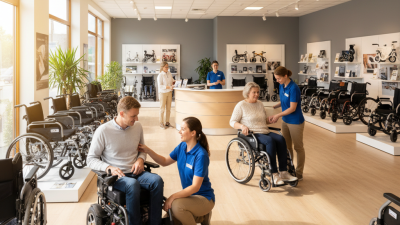
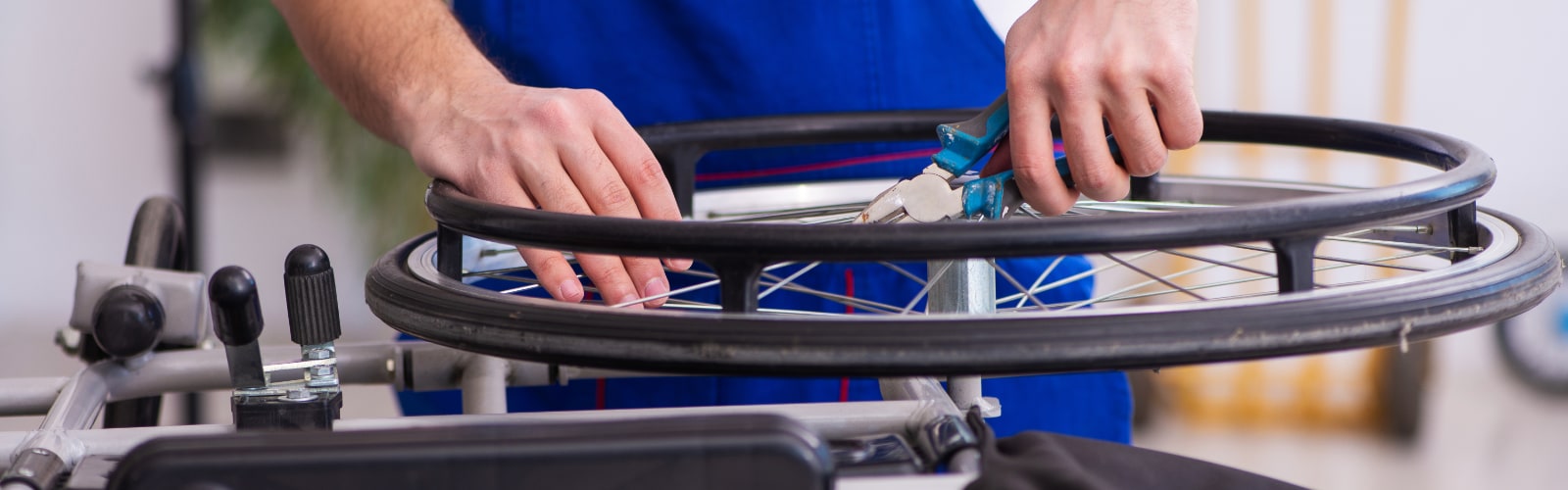
Tips for choosing a motorized chair include testing the model before purchase. Ensure that it meets your specific needs. Consider the weight capacity and battery life as essential factors. Regular maintenance is vital for performance. A clean, well-maintained chair will last longer. Lastly, consult healthcare professionals about your mobility needs. Their insights can lead to better choices.
| Feature | Description | Benefits |
|---|---|---|
| Powered Mobility | Motorized chairs are equipped with electric motors that provide mobility for individuals with limited strength. | Enhances independence, allowing users to navigate various terrains without assistance. |
| Adjustable Seating | Many models feature adjustable seat and backrest angles for personalized comfort. | Promotes better posture and reduces discomfort during extended usage. |
| Enhanced Stability | Designed with a wider wheelbase for greater stability. | Reduces the risk of tipping, making it safer for users on uneven surfaces. |
| Portable Design | Some models are foldable or lightweight for easy transport. | Facilitates travel and storage, providing mobility outside the home. |
| Safety Features | Often includes features like seat belts, anti-tip design, and speed control. | Ensures user safety, minimizing accidents or injuries while in use. |
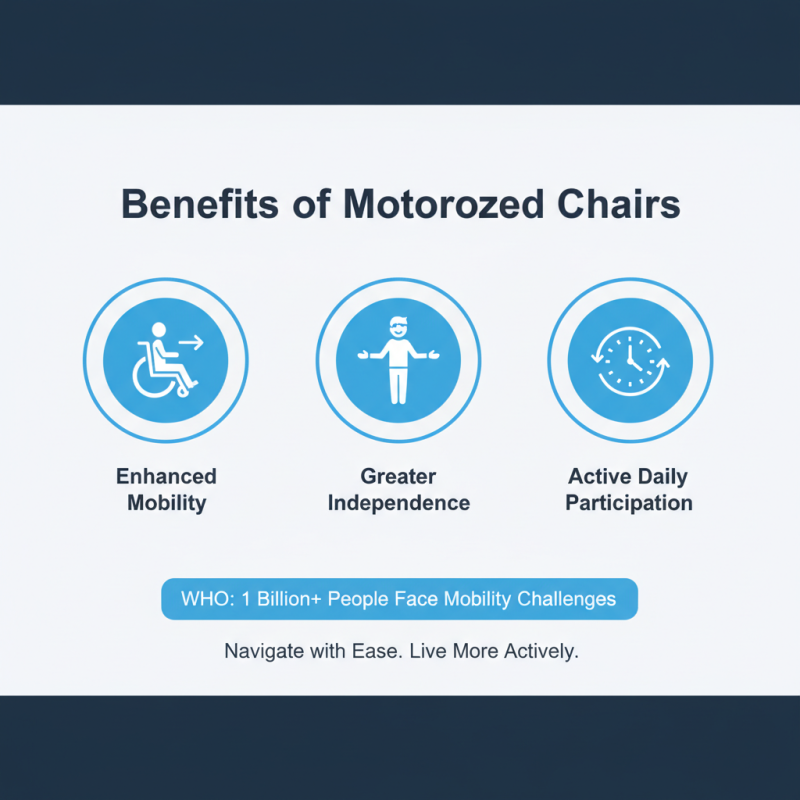
Motorized chairs play a vital role in enhancing mobility for individuals with limited movement capabilities. According to a report by the World Health Organization, over 1 billion people globally experience significant mobility challenges. These chairs not only provide physical support but also promote independence. Users can navigate their environments with ease, leading to more active participation in daily life.
The benefits of using motorized chairs extend beyond mobility. A study published in the Journal of Rehabilitation Research highlighted that users reported a 30% increase in confidence while performing daily activities. This boost in confidence can lead to improved mental well-being. Additionally, users can engage in social interactions more freely, reducing feelings of isolation.
However, challenges remain. Some users may find the transition to a motorized chair difficult. They may need time to adapt and learn how to use the chair effectively. Training programs can help ease this process, ensuring that users feel comfortable and secure. As technology evolves, it’s crucial to continue addressing these challenges to maximize the benefits of motorized chairs.
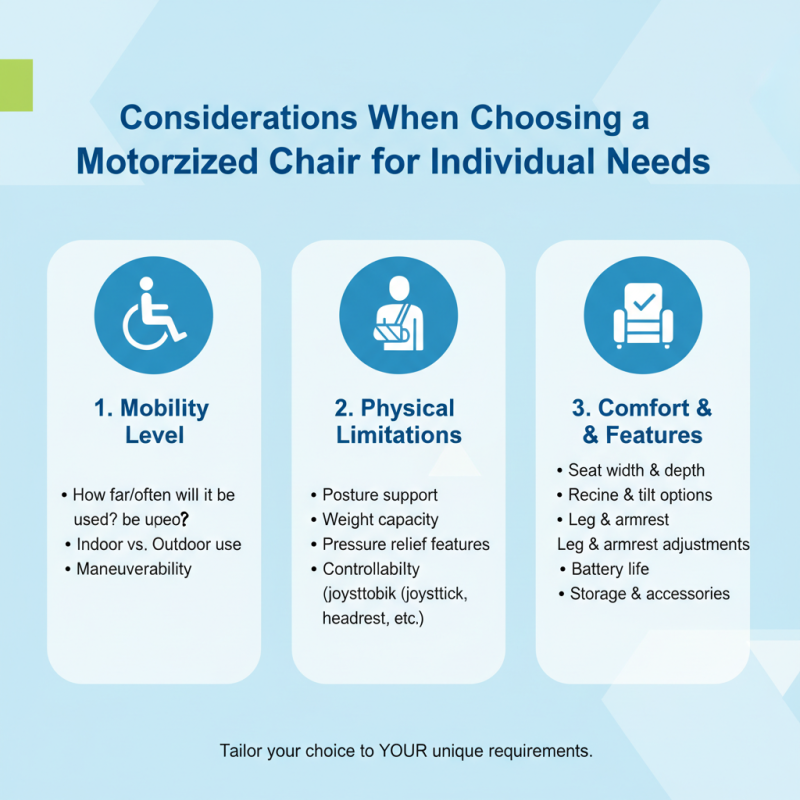
Choosing the right motorized chair requires careful thought. Each individual's needs differ, making it essential to assess specific requirements. Start by evaluating mobility levels. A chair that suits one person may not be ideal for another. Consider any physical limitations as well. Some may need extra support or specific features for comfort.
Weight capacity is another critical factor. Ensure the chair can accommodate the user comfortably. Look for adjustable options to allow for personalization. Additionally, the seat width and depth play roles in overall comfort, too. Test various models to identify which aligns best with personal comfort preferences.
Battery life is important for mobility. Select a model that fits daily usage patterns. Some may need longer operational time, while others may prioritize quicker charging. Think about the accessibility of controls. Simple designs can make a significant difference in usability. Reflect on these details to find the optimal choice.