
As we look ahead to 2026, choosing the right mobility solution is crucial for many individuals. Medicare approved scooters are among the top choices for seniors and people with disabilities. These scooters provide independence and mobility, enhancing the quality of life.
Navigating the complex world of Medicare and mobility devices can be overwhelming. It’s essential to understand what makes a scooter Medicare approved. Knowledge of coverage details truly matters. Features, durability, and comfort are key attributes to consider.
Reviews and comparisons can help pinpoint the best options available. Yet, some shoppers may feel lost in this sea of information. It’s important to reflect on personal needs. Not every scooter will meet every requirement. So, due diligence is vital for making informed decisions.

Navigating Medicare coverage for mobility scooters can be complex. Many people do not realize that not all scooters are eligible for coverage. The type of scooter often plays a crucial role. Medicare typically covers scooters that are considered medically necessary. This includes scooters prescribed by a doctor. If you need a scooter due to a medical condition, it is vital to have proper documentation.
It's important to understand the differences between manual and power scooters. Medicare tends to focus on power scooters for individuals with severe mobility restrictions. Also, coverage may be contingent on specific conditions. One must provide evidence of mobility limitations. This creates a challenge, as not everyone may qualify easily. The process can feel overwhelming, and some might be denied coverage despite needing assistance.
Additionally, be cautious about choosing a supplier. Medicare only reimburses for scooters purchased from approved suppliers. This could affect your total cost. There are also limits on how often you can replace or repair these scooters. Therefore, researching the process beforehand is essential. Each step brings awareness, yet it underscores the gaps in understanding Medicare’s provisions.
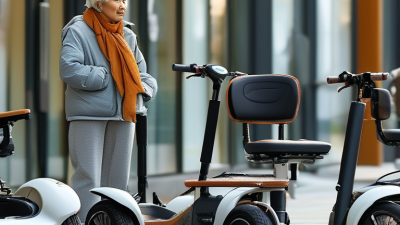
When considering Medicare-approved scooters, key features can greatly impact user experience. Weight capacity is vital. Most scooters support weights from 250 to 400 pounds. This range is crucial since studies indicate that 70% of older adults with mobility issues fall within this weight category.
Another important feature is the turning radius. Scooters with smaller turning radii, around 30 inches or less, allow for easier navigation in tight spaces. Research shows that better maneuverability increases user confidence and reduces the likelihood of accidents. Additionally, battery range plays a big role. Many scooters offer a range of 15-30 miles on a single charge. A reliable battery can enhance independence for users.
Consider adjustable seat height and width for comfort. An ergonomic design reduces strain and enhances the user experience. Reports indicate that proper seating can improve posture and reduce pressure sores, benefiting those who spend prolonged periods in scooters. Users should also look for options with ample storage, as practical storage solutions enhance day-to-day mobility, making outings more convenient. Evaluating these features can lead to more informed decisions and improved quality of life.
When considering Medicare-approved scooters for 2026, it’s essential to focus on the top brands available. Various manufacturers offer diverse models, catering to different needs. Look for scooters that prioritize comfort and ease of use. Features like adjustable seating and intuitive controls can make a significant difference. Many models also provide excellent battery life, enabling users to travel longer distances without frequent charging.
Researching the brand's reputation is crucial. Some brands are known for their exceptional customer service and reliable warranties. Reading customer reviews can provide insights into real-world experiences. Remember, a scooter should be a practical solution for mobility, not a source of frustration. Some models may have weight limits or may not perform well on uneven terrain, raising concerns during use.
As you explore options, consider trying out scooters in-store. Feeling the build quality and testing the maneuverability can help make your decision easier. Each user’s requirements are unique, and finding the right fit is essential. Some scooters might seem appealing but may not suit your lifestyle or daily tasks. Being aware of these factors will lead to a more thoughtful choice.
| Model | Weight Capacity | Max Speed | Range on Full Charge | Turning Radius | Weight | Price |
|---|---|---|---|---|---|---|
| Model A | 300 lbs | 5 mph | 15 miles | 32 inches | 120 lbs | $1,200 |
| Model B | 350 lbs | 6 mph | 20 miles | 30 inches | 135 lbs | $1,500 |
| Model C | 400 lbs | 4 mph | 12 miles | 36 inches | 140 lbs | $1,800 |
| Model D | 250 lbs | 5.5 mph | 18 miles | 28 inches | 110 lbs | $1,100 |
When considering Medicare-approved scooters, understanding costs and insurance options is essential. Many users find themselves confused by the coverage available. According to a 2023 report by the Centers for Medicare & Medicaid Services, about 30% of seniors are unclear about their insurance benefits. This lack of clarity can lead to unexpected out-of-pocket expenses for durable medical equipment, including scooters.
Medicare Part B may cover scooters if they are deemed medically necessary. However, specific documentation is needed. Doctors typically must submit a statement outlining the patient's needs. It's crucial for buyers to ask their healthcare providers for detailed information on the required documentation. This can prevent delays in approval and ensure smoother access to necessary mobility aids.
Research shows that the average weekly out-of-pocket cost for seniors seeking mobility aids can reach up to $150. This figure highlights the importance of informed decisions regarding coverage and payment options. Buyers should also consider exploring secondary insurance plans to reduce potential expenses.
Understand your coverage limits and associated costs. Check what your plan covers and inquire about co-pays. Always read the fine print carefully. Ensuring you're fully aware of your options can save you money and stress. Many users overlook these steps, which can lead to hurdles in the purchasing process. Make sure to advocate for yourself as you navigate the complexities of insurance.
Maintaining and storing your mobility scooter is crucial for its longevity and performance. Regular cleaning is essential. Use a damp cloth to wipe down the frame. Pay attention to the wheels and battery. Dust and dirt can hinder operation. Make it a habit to inspect these parts weekly.
When storing your scooter, choose a dry place away from harsh weather. Avoid areas with extreme temperatures. A garage or a dedicated room works well. Keep the scooter covered when not in use. A cover protects it from dust and unexpected spills. Always check the battery status before long storage periods. A fully charged battery can extend its life.
Occasionally, review your scooter’s manual for maintenance tips. Learning more about your scooter helps in its upkeep. However, people often overlook these manuals. Ignoring manufacturer recommendations can lead to issues. Awareness and regular checks can save you from trouble down the road.