
Maintaining independence and comfort is crucial for individuals relying on mobility aids. These devices not only enhance movement but also boost confidence. Choosing the right mobility aids can seem daunting. It requires careful consideration of personal needs and preferences.
Many types of aids exist, from canes to powered scooters. Each serves a unique purpose and offers various benefits. However, many users may feel overwhelmed by options. It's important to understand which aids best align with physical capabilities and lifestyle. Not every aid works for everyone, and sometimes trial and error is necessary. This can be frustrating but is often necessary for achieving optimal comfort and independence.
Moreover, the impact of mobility aids extends beyond mere convenience. They influence social engagement and overall well-being. However, the stigma associated with needing assistance can lead to feelings of inadequacy. Reflecting on this emotional aspect is vital for fostering a positive mindset. By embracing mobility aids, individuals can reclaim their freedom and enhance their quality of life.
Mobility aids play a crucial role in enhancing independence for individuals with mobility challenges. According to the World Health Organization, over 1 billion people worldwide experience some form of disability, with many relying on aids for daily activities. Studies indicate that using mobility devices like wheelchairs, walkers, and canes increases the user's autonomy and confidence in social settings. These aids are not just physical tools; they significantly influence mental well-being and overall quality of life.
Understanding the importance of mobility aids starts with recognizing their impact on physical health. A study published by the American Journal of Preventive Medicine found that individuals who regularly use mobility aids report better physical function and fewer hospital visits. This connection between mobility aids and enhanced physical health underscores their necessity. However, it’s essential to carefully select the right type of aid. Not all devices suit every individual, and improper usage can lead to discomfort or injury, often necessitating reflective consideration.
Many struggle with pride and reluctance when transitioning to using mobility aids. This emotional barrier can hinder their acceptance and effective use. Increasing awareness and resources about mobility aids can foster a community where individuals feel supported in their journey. Emphasizing education can bridge gaps in knowledge, empowering individuals to choose the best options for their lives, ultimately leading to a more independent and comfortable existence.

Choosing the right mobility aid can significantly enhance independence and comfort. Many options exist, and understanding these choices is crucial. Wheelchairs, for instance, offer both manual and powered versions. Manual wheelchairs require arm strength for movement, while powered ones are more suitable for those needing less physical exertion.
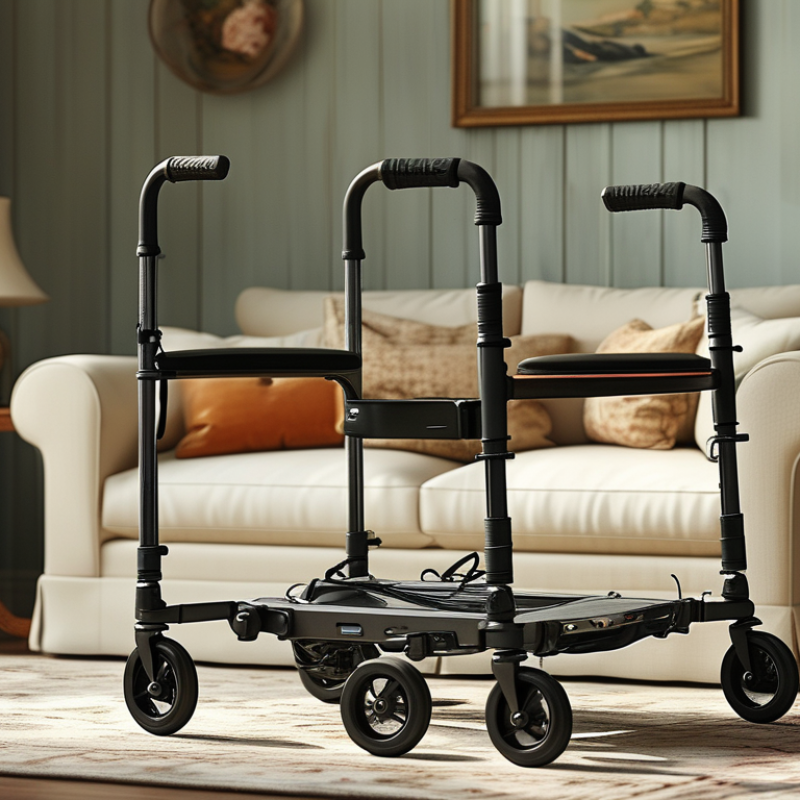
Walkers provide stability for those who can bear some weight. They come in various styles, including standard, four-wheeled, and rollators. Rollators often include a seat, which can be helpful during long outings. Canes are another common option. A good cane can provide support without being cumbersome. Finding the right height and grip is essential. Proper adjustments can prevent strain and enhance comfort.
It’s important to recognize that not all mobility aids work for everyone. Personal experiences vary greatly, and it may take time to find a suitable option. Always consult professionals when exploring these aids. Trying out different types in a safe environment can uncover unforeseen issues. This trial-and-error approach allows for a more personalized, effective solution.
Choosing the right mobility aids can significantly enhance comfort and safety. The process requires understanding personal needs and comfort preferences. Start by evaluating the type of aid based on your mobility level. For instance, walkers provide support for those who need stability. Wheelchairs offer more assistance for individuals with limited leg mobility.
To ensure comfort, consider the fit of the aid. It should support your body comfortably without causing strain. Look for adjustable features that can be tailored to your height and preferences. This way, you avoid pressure points that could lead to discomfort over time.
Safety is paramount. Ensure that any mobility aid you choose is equipped with features like non-slip handles and sturdy bases. Test the aid in your living space to identify potential hazards. Small adjustments, such as removing obstacles or ensuring the floors are even, can make a significant difference. It's fine to acknowledge that finding the perfect aid can take time and experimentation. Every individual's needs are unique, and it might feel overwhelming at first. But with patience, you will find a solution that enhances your independence.
When using mobility aids, understanding their proper use is crucial for achieving independence. Start by assessing your daily needs. For instance, consider where you spend most of your time. Homes often have unique layouts that can affect mobility. A simple adjustment can make a significant difference. Ensure that your path is clear of clutter, as this increases safety and ease of navigation.
Next, practice with your mobility aid in a safe environment. This might mean using it in your home before venturing out. Familiarize yourself with its mechanics. Test how to maneuver corners and navigate stairs if applicable. Seek assistance from a family member or therapist if necessary. Learning effective techniques can boost confidence.
Lastly, reflect on your experiences regularly. It’s normal to feel frustrated at times. Evaluate what works and what doesn’t. Small changes in routine can lead to greater comfort. Openly discuss your challenges with healthcare professionals. They can provide tailored advice based on your specific needs. This proactive approach to utilizing mobility aids fosters a more independent lifestyle.
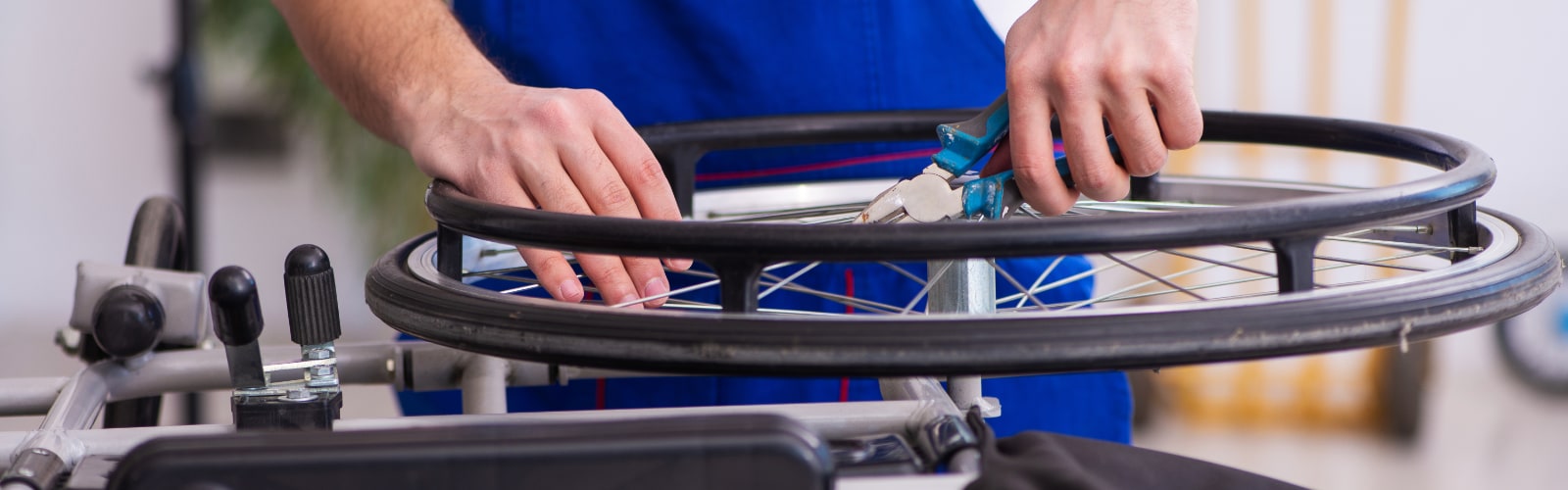
Maintaining mobility aids is crucial for ensuring they work effectively and safely. Regular cleaning of these aids can prevent dirt buildup. Use a soft cloth to wipe surfaces and ensure wheels are free from debris. Check the condition of cushions and grips as wear can lead to discomfort or accidents. A simple inspection once a week can catch small issues before they grow.
Careful storage is equally important. Store aids in a dry, cool place to prevent rust and corrosion. Those with battery components should be kept charged but not left unused for too long. Take note of any unusual sounds while using them; they could signal a need for repairs.
It’s easy to overlook small details in maintenance. Many users ignore scratches or minor damages. These can compromise safety over time. Consider keeping a maintenance log to track care routines and repairs. This method fosters accountability and assures that aids remain in optimal working condition while promoting better independence and comfort.
| Mobility Aid Type | Maintenance Tips | Comfort Enhancements | Expected Longevity |
|---|---|---|---|
| Wheelchair | Regularly check tire pressure and brakes; lubricate moving parts. | Use padded seat cushions; adjust armrests for better support. | 5-10 years with proper care. |
| Walker | Ensure rubber tips are intact; clean regularly to avoid wear. | Consider adding gel grips; customize handle height for comfort. | 3-5 years with regular upkeep. |
| Scooter | Keep battery charged; check brakes and lights frequently. | Add a comfortable seat cover; adjust speed settings for safety. | 4-7 years, depending on usage. |
| Crutches | Inspect for wear; replace rubber tips to prevent slippage. | Consider ergonomic grips for better hand comfort. | 2-3 years with moderate use. |