
Choosing the right mobility scooters for adults can be challenging. With numerous options available, understanding the features is crucial. Many adults face mobility issues due to age or health conditions. Finding the right scooter can enhance their freedom and independence.
When selecting mobility scooters for adults, it's vital to consider several factors. Size, weight capacity, and battery life are key components. Users often struggle to balance comfort with functionality. Some scooters may be too bulky, while others might lack essential features.
It's important to research and test different models. Expert reviews and user experiences can provide valuable insights. Remember, the right choice is not just about convenience; it's about improving the quality of life. Thoughtful consideration is necessary for making a well-informed decision.
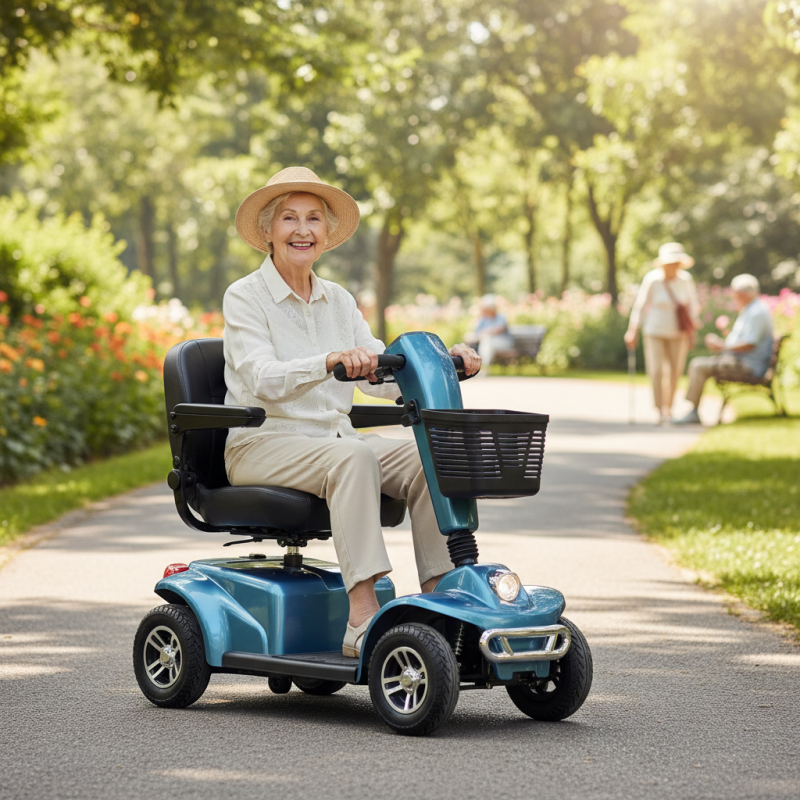
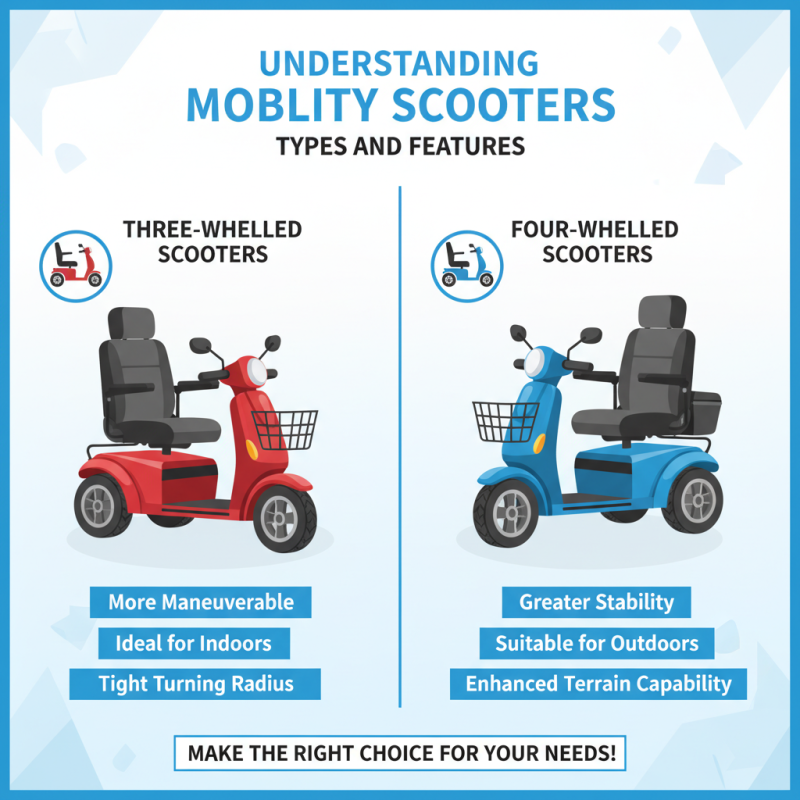
Understanding mobility scooters is essential for making the right choice. Various types cater to different needs. For instance, three-wheeled scooters are often more maneuverable. They excel in indoor environments. On the other hand, four-wheeled scooters typically offer better stability and are suited for outdoor use.
Key features also play a significant role. Look for adjustable seats and control systems. Some scooters come with extra features like storage compartments. This adds to convenience and functionality. It's critical to consider the maximum weight capacity as well. Many users report dissatisfaction if the scooter does not meet their specific needs.
Battery life is another factor to weigh. A scooter with a long-lasting battery enables longer outings. However, some models may fall short in real-world usage. Test drives can reveal a lot about comfort and usability. Addressing these specific features can guide individuals toward a suitable choice.

Choosing the right mobility scooter involves several key considerations. First, think about the terrain where the scooter will be used. Flat surfaces may require different features than rough terrain.
Battery life is another critical factor. How far do you need to travel? Look for scooters with adequate range for your daily needs.
Seat comfort is essential for long journeys. Check if the seat is adjustable, as this can greatly influence your overall experience. Weight capacity is also crucial; ensure the scooter can support your needs without strain. Lightweight models can be easily maneuvered and transported, making them ideal for varied use.
Tips: Always test drive a scooter before purchasing. This ensures you feel comfortable with its controls. Consider consulting with a mobility expert for tailored advice. Lastly, think about additional features. Storage space for personal items can enhance your experience on the scooter.
Choosing the right mobility scooter for adults requires a thorough assessment of weight capacity and user size. An estimated 12.6 million adults in the U.S. have mobility challenges, according to the National Institute on Disability, Independent Living, and Rehabilitation Research. This makes selecting the correct scooter crucial for daily independence and safety.
Weight capacity plays a significant role in scooter performance. Most mobility scooters support weights between 250 to 400 pounds. However, choosing a model too close to its weight limit can lead to decreased durability and safety risks. A study indicates that about 25% of users exceed weight limits, prompting concerns over scooter stability. It’s vital to consider body weight, shape, and any additional gear users may carry.
User size matters as well. A scooter that fits one individual may not fit another, even when weights are similar. An ideal width accommodates the user comfortably, preventing strain during use. According to a survey by the International Council on Active Aging, 70% of users reported discomfort due to poor sizing. That’s a stark reminder to prioritize fit over aesthetics. Individuals should test different models whenever possible, ensuring a practical and comfortable choice for long-term use.
| Scooter Model | Weight Capacity (lbs) | User Height Range (inches) | Seat Width (inches) | Turning Radius (inches) |
|---|---|---|---|---|
| Lightweight Scooter | 250 | 5'0" - 6'0" | 18 | 32 |
| Standard Scooter | 300 | 5'3" - 6'3" | 20 | 36 |
| Heavy-Duty Scooter | 350 | 5'4" - 6'4" | 22 | 40 |
| All-Terrain Scooter | 400 | 5'5" - 6'5" | 24 | 45 |
When selecting a mobility scooter, battery life and range are crucial factors. According to industry experts, the average electric scooter range falls between 10 to 30 miles on a single charge. Users should evaluate their daily travel needs to ensure their chosen scooter meets those requirements. For instance, urban riders might need a scooter with a higher range due to frequent travel.
Battery performance is influenced by multiple elements, including terrain type and user weight. A study by the National Mobility Equipment Dealers Association indicated that heavier users often experience a 20-30% reduction in range. Understanding how these factors affect your scooter's performance is essential. In addition, battery technology has evolved, with lithium-ion batteries being more favored for their longevity and efficiency.
Many scooters feature either lead-acid or lithium-ion batteries. Lead-acid batteries are generally affordable but can be heavy and less efficient. Lithium-ion options, although pricier, provide longer life spans and shorter charging times. Evaluate your specific needs to balance cost and performance effectively. Being well-informed allows for better decision-making in selecting the right mobility scooter.
Modern mobility scooters come packed with essential safety features. These include powerful LED lights that improve visibility at night. Seat belts ensure riders remain secure during travel, while anti-tip systems prevent accidents. Users should check if these features are adjustable to suit individual needs.
Technology plays a crucial role in enhancing safety. Some scooters include speed limit settings that allow users to control their pace. Regenerative braking systems help stop the scooter smoothly. A few models also have integrated GPS for navigation, which can be beneficial for maintaining awareness of one’s whereabouts.
Despite advancements, there are areas needing improvement. Some scooters may lack effective communication systems, making it hard to signal to others. Users often express concern about battery life. While modern designs are better, consistent performance can be an issue on longer trips. Riders should weigh these factors when choosing the right scooter for their needs.