
Choosing a mobility scooter can be daunting for first-time buyers. The sheer variety available can lead to confusion. Different models, features, and prices add layers of complexity. Thus, informed choices are essential.
Understanding your unique needs is vital. Consider factors like your daily routine and physical abilities. A scooter should enhance your mobility and independence, not complicate it. Features like battery life and weight capacity matter.
It's also important to research brands and read reviews. Not all scooters are created equal, and reliability is key. What works for one person may not suit another. Take your time to explore options. Choosing the right mobility scooter is a step towards a more active lifestyle.
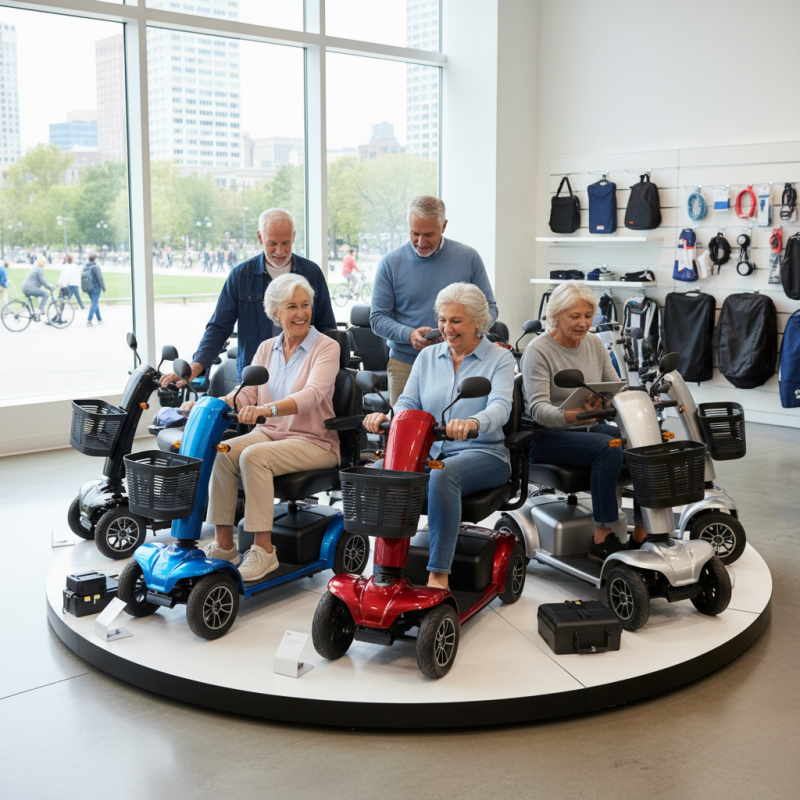
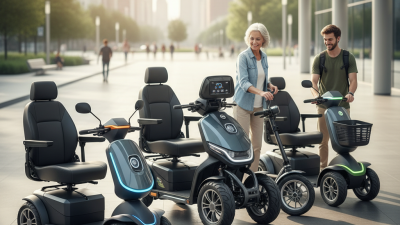
When exploring mobility scooters, understanding the types and key features is essential. There are three main types: travel scooters, mid-sized scooters, and heavy-duty scooters. Travel scooters are lightweight and foldable, making them perfect for on-the-go individuals. Mid-sized scooters offer a balance of power and portability, ideal for daily errands. Heavy-duty models cater to those needing extra support and stability.
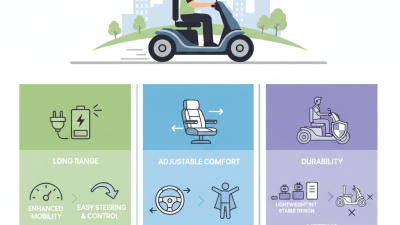
When choosing a scooter, consider essential features like weight capacity, turning radius, and battery life. Opt for a model with comfortable seating. A shorter turning radius enhances maneuverability in tight spaces. Battery life plays a crucial role in how far you can travel without recharging.
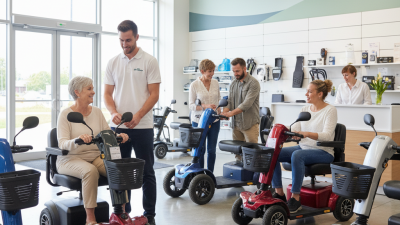
Tips for first-time buyers: Test drive different models to find the best fit. Pay attention to the comfort of the seat and controls. Don’t forget to check the warranty and customer service options available. Be mindful of your lifestyle needs; the right scooter should enhance your mobility, not limit it. Take time to evaluate your choices thoroughly.
| Feature | Description | Considerations |
|---|---|---|
| Type of Scooter | Three-wheeled and Four-wheeled options for different needs. | Consider stability and type of terrain you will use it on. |
| Weight Capacity | Most scooters have a weight limit ranging from 250 to 500 lbs. | Ensure the scooter can support the user's weight. |
| Battery Life | Varies by model, typically 10-40 miles on a full charge. | Consider daily travel needs and recharging options. |
| Speed | Max speeds range from 4 to 10 mph. | Choose a speed that fits the intended use and safety needs. |
| Portability | Some models are foldable or disassemble for easy transport. | Consider where and how you will transport it. |
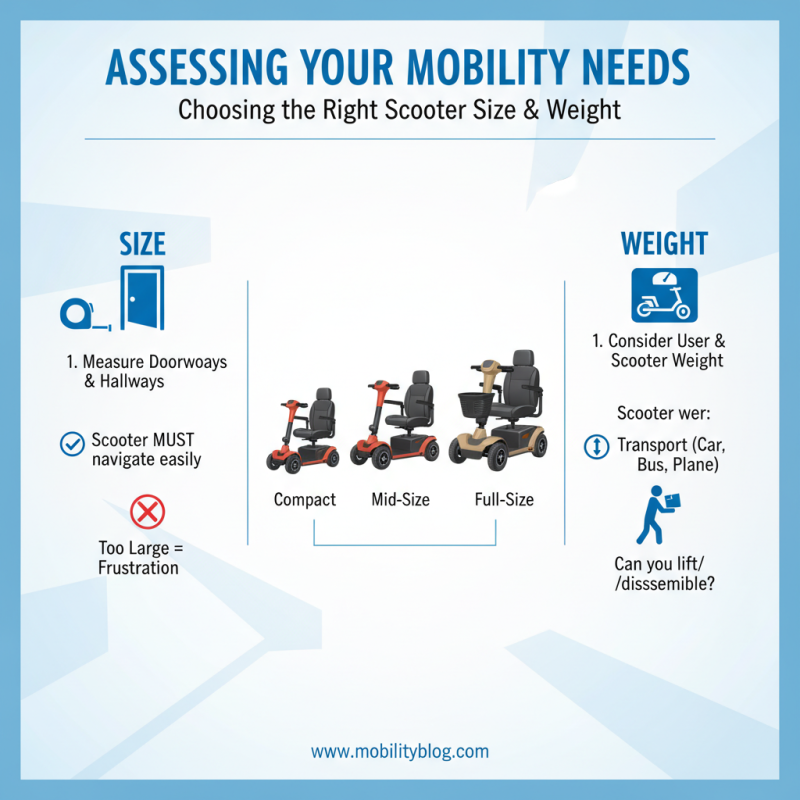
Choosing the right mobility scooter involves assessing your specific needs carefully. Start by considering the scooter’s size. Measure doorways and hallways in your home. An ideal scooter should easily navigate through these spaces. A too-large scooter may lead to frustration and limit your independence.
Weight is another crucial factor. Heavier scooters can offer more stability but may be difficult to transport. If you plan to use your scooter for travel, a lightweight model might be more appropriate. Think about where you intend to use the scooter most. Will it be on smooth pavements or uneven terrain?
Here are some tips: Test drive various models to experience the differences firsthand. Check the scooter’s turning radius; too wide may not suit your environment. Lastly, don’t ignore comfort features. Adjustable seats can make a significant difference in your overall experience. Exploring these elements will help you make a more informed choice.
When shopping for a mobility scooter, understanding battery life and range is crucial. Battery capacity determines how far you can travel. Most scooters have a range of 10 to 30 miles, depending on battery size. For frequent users, choosing one with high capacity is essential. Consider the terrain you’ll navigate. Hilly areas may drain the battery faster than flat surfaces.
Charging time is another aspect to evaluate. Some batteries can charge in a few hours, while others take longer. It's wise to look for scooters with quick charge options. Regularly checking the battery's health helps maintain optimal performance. Noticing any drop in range could signal a need for replacement.
Investing in a mobility scooter is significant. You might feel overwhelmed by choices. Reflect on your daily routine. Your needs will guide your decision-making process. Be honest about where you’ll use the scooter and how far you need to go. This will help ensure you choose a model that fits your lifestyle.
When considering a mobility scooter, understanding costs is vital. Most scooters range from $800 to $3,000, depending on features and brand. Classic models often sit at the lower end, while advanced models with better batteries and added comfort cost more. Staying within budget can be challenging, but it offers choices that fit unique needs.
Financing options can make a significant difference. Many retailers provide financing plans, spreading payments over months. Some may even offer rental options for short-term needs. Check for insurance coverage as well. Medicare might cover part of your costs in specific situations.
Research is key. Seek out user experiences online to learn about maintenance expenses and longevity. Ask current users in forums about hidden costs. Their insights can guide your decision. Remember, no product is perfect. Every option has pros and cons. So, take your time and reflect on what works best for you.
When considering mobility scooters, safety is paramount. Reports indicate that nearly 65% of accidents involving mobility scooters stem from improper use or lack of safety features. First-time buyers should prioritize scooters equipped with essential safety elements. Look for features like automatic braking systems, bright LED lights, and low center of gravity. These can significantly reduce the risk of tip-overs.
Stability is a critical factor in mobility scooter design. A wider wheelbase enhances balance, especially when navigating uneven surfaces. A recent industry survey showed that 70% of serious mobility scooter injuries occurred on uneven terrain. Consider models that offer enhanced grip for better traction. Additionally, adjustable seats with armrests can aid in maintaining proper posture, contributing to overall safety.
While many scooters come with these safety features, it's vital to test them out. Are the brakes responsive? Does the scooter feel stable when turning? Users often report that a scooter’s comfort level directly influences safe operation. Ensure you reflect on how your mobility scooter suits your specific needs. Your safety depends on the right fit and features.