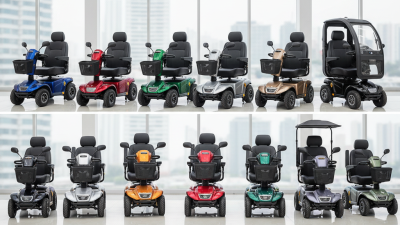

Access to mobility aids like Medicare approved scooters is essential for many seniors. According to the National Institute on Aging, nearly 13% of older adults have difficulty walking a quarter of a mile. This statistic highlights the need for reliable mobility solutions. Medicare approved scooters offer an avenue for improved independence and quality of life.
In selecting a scooter, it's critical to understand Medicare's criteria. Coverage often depends on medical necessity, including conditions like arthritis or neurological disorders. A recent report from the Centers for Medicare & Medicaid Services indicated that only 20% of applicants receive approval without proper documentation. Ensuring that you have the necessary information can significantly increase your chances of approval.
Despite their advantages, not all scooters meet Medicare's guidelines. Many low-cost options may promise features but fall short on safety and reliability. It's important to do thorough research, assess patient needs, and consult with healthcare professionals. This ensures that you choose a scooter with the appropriate features for safe and effective mobility.
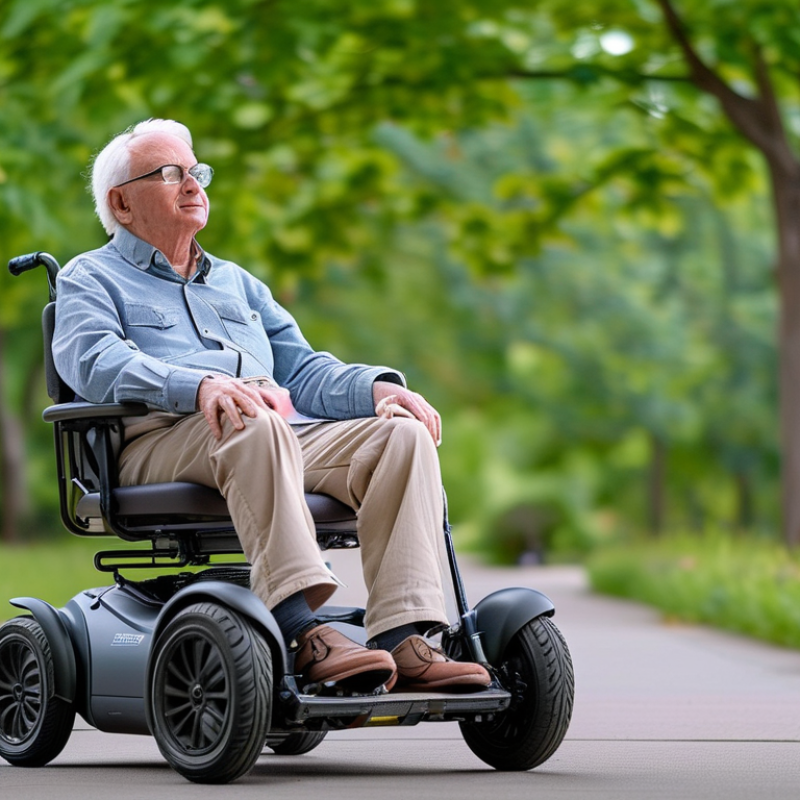
Understanding Medicare coverage for mobility scooters can seem complex. However, it's essential for those who need assistance with mobility. Medicare does provide coverage for scooters, but specific criteria must be met. Typically, a doctor must declare the scooter medically necessary. This requirement can feel daunting. Yet, it is a crucial step in the process.
When seeking Medicare-approved scooters, ensure your medical history includes details about your mobility limitations. Documentation is key. Gather reports from your healthcare provider. They should highlight why a mobility scooter is essential for your daily activities. The more detailed the information, the better your chances of approval.
Tips:
Always ask your doctor about the specific types of scooters covered. Different models have different eligibility criteria. Consider reaching out to Medicare directly for personalized guidance. Be aware that even with a clear need, authorization can take time. Patience is vital as you navigate this process.

Medicare-approved scooters provide essential mobility for those with limited physical capabilities. To qualify for coverage, understanding eligibility criteria is vital. Generally, you must have a medical need for a scooter. This often stems from conditions such as arthritis, multiple sclerosis, or injuries that impair your mobility.
Your healthcare provider plays a crucial role in this process. They must document your medical need and prescribe the scooter. The evidence should clearly show that you need assistance for daily activities. However, not everyone may meet these criteria, leading to potential frustration.
Before exploring options, it’s essential to understand the documentation required by Medicare. Proper medical records are key. Often, patients overlook certain details that could affect their eligibility. A complete evaluation might reveal other support options, such as canes or walkers, that could be just as beneficial. This process requires patience and clear communication with healthcare professionals.
| Criteria | Description | Eligible Conditions | Documentation Required |
|---|---|---|---|
| Medical Necessity | Scooters must be deemed medically necessary by a primary care physician. | Arthritis, Neurological Disorders, Severe Pulmonary Disease | Doctor's prescription, Medical history records |
| Age Requirement | Beneficiaries must be enrolled in Medicare and at least 65 years old or disabled. | N/A | Medicare enrollment proof |
| Mobility Limitations | Must demonstrate difficulty walking or operating a manual wheelchair. | Multiple Sclerosis, Cerebral Palsy, Spinal Cord Injury | Mobility assessment report, Therapy evaluations |
| Payment Coverage | Medicare typically covers a portion of the scooter cost after deductibles. | N/A | Payment approval letter, Cost estimate from supplier |
Finding Medicare-approved scooters is essential for many individuals seeking mobility assistance. Researching local suppliers can provide the best options tailored to unique needs. A report from the Centers for Medicare & Medicaid Services (CMS) indicates that reimbursement for scooters is available if specific criteria are met, including medical necessity and mobility challenges.
Local suppliers can often guide potential buyers through the approval process. It's important to check their credentials. According to a recent study, 75% of users reported satisfaction with their suppliers when they received clear information upfront. However, not all suppliers provide the same quality. Some users have encountered difficulties with delays and unclear communication, which can lead to frustration.
Using online reviews can help identify reliable suppliers. It's beneficial to look for feedback on service and product quality. Additionally, engaging with local health care providers can yield more personalized recommendations. A 2022 survey showed that 68% of patients who consulted their doctors found better-approved options through referrals. Taking time to thoroughly research will help in finding the best scooter that meets your needs and ensures ease of access.
When searching for Medicare-approved scooters, understanding their features and specifications is paramount. Look for scooters with adjustable seat heights. This ensures comfort for various body types. A recommended seat width ranges from 18 to 22 inches. The right width promotes better posture and less discomfort during use.
Battery life is another critical aspect. Many scooters operate on an average range of 15 to 20 miles per charge. Choosing a model with a higher mileage can be beneficial for daily outings. Weight capacity is also important. Most scooters support up to 300 pounds, but some models can accommodate more.
Tips: Always check the scooter's turning radius. A smaller radius enhances maneuverability in tight spaces. Take note of the scooter's warranty. A reputable product often comes with solid warranty coverage. Regular maintenance is necessary too. Users should inspect the tires and brakes frequently. Addressing wear and tear can prevent future issues.
Opting for the right Medicare-approved scooter involves careful evaluation of these specifications. Often, personal preferences may lead to overlooking essential features. Ensure thorough research to make informed choices.
Navigating the claims process for Medicare scooter reimbursement can feel daunting. Many individuals find themselves overwhelmed by the paperwork and requirements. The key is to understand your eligibility. Medicare covers scooters if they are deemed medically necessary. This designation requires proper documentation from your healthcare provider. A thorough assessment of your mobility needs plays an essential role here.
Next, gather necessary documents. This includes a prescription from your doctor, medical records, and possibly a statement detailing your mobility limitations. You must submit these alongside the claim. It’s easy to overlook details, but precision is crucial. Small mistakes can lead to claim denials. Consider working with a knowledgeable advocate to streamline this process. They can help clarify your obligations and guide you through the complexities.
Be prepared for potential delays in processing. Sometimes, additional information may be requested. Keeping a detailed log of communications with Medicare can also help mitigate confusion. Patience is vital here. Understand that a thorough submission increases your chances of approval, but it may require persistence to navigate the system.