
What Are the 2026 Best Portable Scooters? This guide examines portable scooters for commuters, travelers, and everyday riders. The strongest models balance weight, range, comfort, folding design, and dependable braking. A lightweight scooter may fit beneath a train seat. However, it may sacrifice suspension or battery capacity.
Our evaluation focuses on measurable details and practical experience. We consider deck stability, handlebar height, folding hinges, tire performance, charging time, and waterproofing claims. We also compare manufacturer specifications with independent testing where reliable data is available. Real streets matter. Uneven sidewalks, steep ramps, crowded elevators, and wet pavement can expose weaknesses quickly.
No single scooter suits every rider. A compact model may help apartment dwellers, while a heavier version may feel safer over longer distances. Rider weight, local terrain, storage space, and travel habits all influence the final choice. We will discuss safety features, maintenance needs, warranty support, and realistic range rather than repeating marketing promises.
Some results remain subjective. Comfort depends on body size and riding posture. Claimed range may fall sharply in cold weather or on hills. We cannot reproduce every condition, and that limitation deserves attention. Still, careful comparisons can reduce expensive mistakes and clarify which 2026 portable scooters offer genuine everyday value. Expect practical observations, transparent trade-offs, and recommendations grounded in evidence instead of hype.
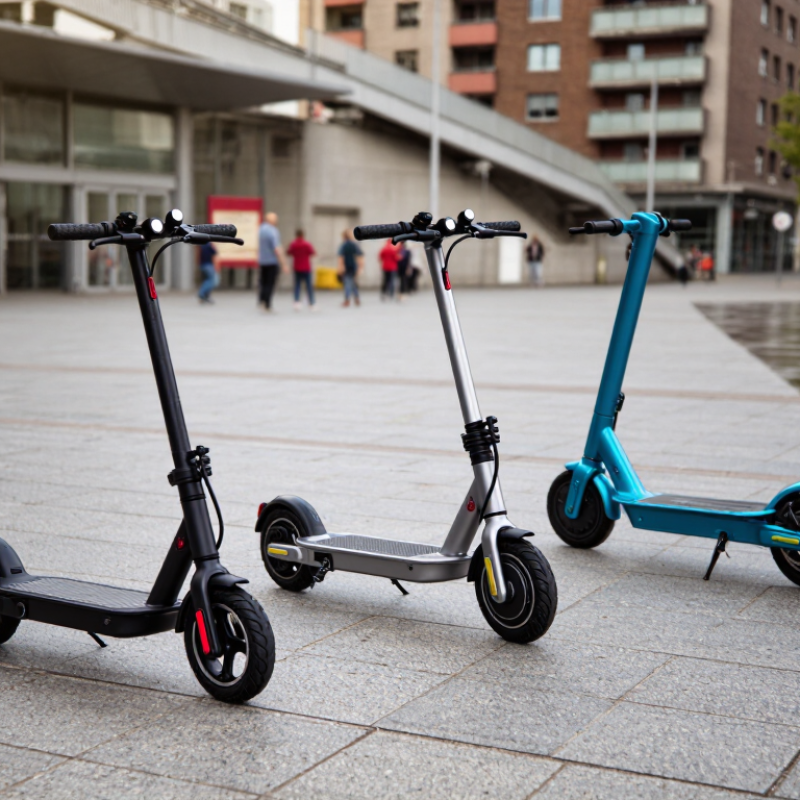
The best portable scooters in 2026 should be judged by more than appearance or advertised convenience. Weight is the first practical test. A scooter under 20 kilograms may fit a vehicle easily, but lifting it up stairs can still strain your back. During testing, measure the complete scooter, including the battery and removable accessories. A narrow folded profile also matters. Check whether it fits beside a train seat, under a desk, or inside a compact vehicle.
Range should reflect real conditions, not only laboratory figures. Rider weight, hills, wind, tire pressure, and frequent stops can reduce distance noticeably. I would compare the claimed range with a cautious everyday estimate. A small reserve is essential. Payload deserves equal attention. It includes the rider, bags, and weather clothing, not just body weight. Exceeding the limit may affect braking, stability, and battery performance.
My first ranking once favored the lightest model, but that judgment was incomplete. It folded quickly, yet its short range made longer trips inconvenient. A slightly heavier scooter can be more portable overall when it offers stronger carrying points and better distance. Measure the folded height yourself, because published dimensions may exclude the handlebar or basket. A reliable choice balances liftability, storage space, usable range, and payload without hiding trade-offs. Real streets are less forgiving.
Battery capacity should be compared through watt-hours, not amp-hours alone. Multiply nominal voltage by amp-hours to estimate stored energy. A 36-volt, 10-Ah pack equals about 360 Wh. However, this figure is not automatically usable energy. IEC 61960-3 measures rechargeable lithium-cell capacity under controlled conditions, including defined temperature, current, and cut-off voltage. Those conditions improve consistency, but they do not recreate a windy commute.
Look beyond the printed range. The IEA Global EV Outlook 2024 reports that electric two- and three-wheelers already represent the largest electrified road-transport stock worldwide. That growth makes transparent testing more important. The 2024 BloombergNEF Battery Price Survey recorded an average lithium-ion pack price of 115 US dollars per kWh, showing why larger batteries can raise scooter cost and weight. For a portable model, 300–500 Wh may offer a practical balance, but rider weight, tire pressure, hills, temperature, and repeated braking can change results sharply.
Use IEC-based capacity data as a baseline, then request a range test with clear conditions. Check rider mass, average speed, terrain, and ambient temperature. A claimed 40-kilometre range may be measured at low speed on flat ground. That is not dishonest, but it is incomplete. I would also question tests using only one battery cycle. Capacity can settle after early cycles, and cold-weather performance is often overlooked. Range claims need context. Without it, comparison remains partly guesswork.
Electrical safety should come before speed, range, or folded size. UL 2272 evaluates the electrical systems of personal e-mobility devices, including battery, charging, wiring, and protection against fire and shock. EN 17128 addresses personal light electric vehicles, covering tests for structural strength, braking, lighting, controls, and electrical risks. These standards are not identical, and neither removes every hazard.
The U.S. Consumer Product Safety Commission reported 233,870 emergency-department-treated injuries and 19 deaths involving e-scooters, e-bikes, and hoverboards from 2017 to 2022. The figure is sobering. It also shows why marketing claims need independent verification. A credible compliance record should match the exact model, battery system, charger, and production version. A logo alone proves little. Certification can also become outdated after a component change, which consumers may overlook.
Tips:
Ask for a current certificate, not only a product-page statement. Check the model number against the certification database. Inspect the charger for heat damage, loose pins, or cracked insulation. Never charge beside bedding or overnight. I have found compact designs convenient, but tight battery compartments can make heat management harder. That detail deserves more scrutiny. CPSC incident data and laboratory testing support caution, yet real-world riding habits still influence safety. Five minutes of verification can prevent an expensive mistake.
What Are the 2026 Best Portable Scooters?
Ride comfort starts with wheel size. In practical testing, eight-inch wheels suit smooth indoor floors, while ten-inch wheels handle cracks and shallow kerbs better. Larger wheels reduce sharp jolts, but they add weight and folding effort. The 2022 WHO and UNICEF Global Report on Assistive Technology estimates that 2.5 billion people need assistive products worldwide. That scale makes honest, measurable comfort testing essential.
Suspension matters more than appearance. A basic front suspension can soften repeated bumps, while four-wheel suspension usually controls body movement better. Yet suspension cannot fix narrow, hard tyres. Load rating also deserves careful checking. Compare the rider, shopping, battery, and accessories with the stated limit. Leave a practical margin, not merely one kilogram. My ranking places balanced suspension above maximum load capacity, unless regular cargo changes the use case.
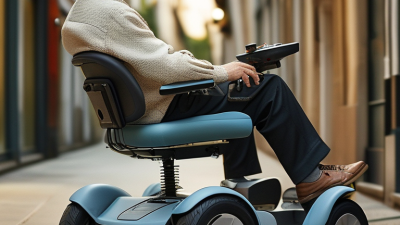
Turning circle decides whether comfort survives real life. ISO 7176-5:2008 provides methods for measuring mobility-device dimensions and turning space. A compact scooter may turn within a hallway, but its smaller wheels can transmit more vibration. A wider model may ride calmly, then struggle beside a kitchen counter. Measure the tightest route at home. That step is often missed. My judgement is imperfect, because pavement, tyre pressure, and rider posture can change the result. A useful 2026 order is: medium wheels with suspension, a verified load margin, then the smallest turning circle that still feels stable.
Comfort ranking for portable mobility scooters, based on wheel size, suspension design, load capacity, turning-circle diameter, and practical travel stability.
| Rank | Portable Scooter Profile | Wheel Size | Suspension | Maximum Load Rating | Turning Circle Diameter | Ground Clearance | Typical Transport Weight | Comfort Score | Best Suited To |
|---|---|---|---|---|---|---|---|---|---|
| 1 | Profile F — Full-Comfort Portable | 10 in front / 10 in rear | Front and rear suspension | 350 lb / 159 kg | 48 in / 122 cm | 3.5 in / 8.9 cm | 69 lb / 31 kg | 9.6/10 | Uneven sidewalks, longer outdoor trips, and heavier riders |
| 2 | Profile E — Balanced All-Terrain Portable | 9 in front / 10 in rear | Front suspension | 300 lb / 136 kg | 44 in / 112 cm | 3.0 in / 7.6 cm | 58 lb / 26 kg | 9.0/10 | Mixed indoor and outdoor use with moderate bumps |
| 3 | Profile D — Stable Folding Travel Scooter | 8 in front / 9 in rear | Front suspension | 265 lb / 120 kg | 42 in / 107 cm | 2.8 in / 7.1 cm | 53 lb / 24 kg | 8.4/10 | Shopping centers, paved paths, and car transport |
| 4 | Profile C — Compact Pneumatic-Wheel Travel | 8 in front / 8 in rear | No formal suspension; pneumatic tires | 250 lb / 113 kg | 40 in / 102 cm | 2.6 in / 6.6 cm | 48 lb / 22 kg | 7.9/10 | Users prioritizing low weight and softer tire cushioning |
| 5 | Profile B — Lightweight Solid-Tire Foldable | 7 in front / 8 in rear | No suspension; solid tires | 275 lb / 125 kg | 39 in / 99 cm | 2.3 in / 5.8 cm | 44 lb / 20 kg | 7.2/10 | Indoor use, smooth pavements, and frequent lifting |
| 6 | Profile A — Ultra-Compact Airport Scooter | 6 in front / 7 in rear | No suspension; solid tires | 220 lb / 100 kg | 36 in / 91 cm | 2.0 in / 5.1 cm | 37 lb / 17 kg | 6.4/10 | Airports, hotel corridors, and very smooth indoor floors |
What Are the 2026 Best Portable Scooters?
The best portable scooter is not always the fastest. It must fit your daily transit rules. NACTO’s 2023 Shared Micromobility Report recorded 157 million shared trips in the United States. That figure shows growing demand, but private scooters face different carriage limits. Check folded dimensions, total weight, battery size, and storage requirements before buying. Some transit systems restrict scooters during peak hours or require them to remain folded.
IP ratings deserve careful reading. Under IEC 60529, IP54 indicates limited dust protection and resistance to water splashes. It does not mean safe riding through heavy rain. IP65 offers stronger dust protection and water-jet resistance, but neither rating guarantees protection from flooding. A short ride across wet pavement can still expose charging ports. Small details matter.
Warranty terms reveal more than advertising language. Compare coverage for the battery, controller, motor, charger, and folding mechanism. Ask whether labor and return shipping are included. Industry service reports often identify batteries as a major repair concern, although failure rates vary by usage and storage. Keep invoices and maintenance records. That sounds tedious. It helps.
The Global Battery Alliance highlights traceability and safety as important battery-sector priorities. Choose documentation over vague claims. I would also test the latch, carry it upstairs, and measure the folded frame myself. Manufacturer figures can feel optimistic. Your commute may disagree.