
A safer home is rarely created by buying the most equipment. It starts with noticing where daily routines become difficult: a wet bathroom floor, a high bed, or a narrow doorway. The right handicap equipment should address those specific barriers while fitting the person, the home, and the way each item will be used. Small details matter.
Accessibility expert and architect Ronald L. Mace described universal design as “the design of products and environments to be usable by all people, to the greatest extent possible, without the need for adaptation or specialized design.” That idea helps frame this guide: useful equipment should support independence without making a home harder to navigate. A well-placed grab bar, a raised toilet seat, or a sturdy shower chair may help with everyday tasks. But fit and installation matter. A bar that looks secure may not be anchored safely.
This Top 10 guide covers practical options for bedrooms, bathrooms, entrances, and other common trouble spots. It also considers what to check before choosing equipment, including weight limits, dimensions, stability, and ease of cleaning. Advice from an occupational therapist or other qualified professional can help match equipment to individual needs. No list can replace that assessment. And some recommendations may not suit every home; that is worth remembering. The goal is not to fill a room with devices, but to make important tasks safer and more manageable.
Essential Mobility Aids for Safe Movement Around the Home
Safe movement starts with clear, well-lit routes between rooms. A cane or properly fitted walker can support walking, while a threshold ramp helps manage small steps. Keep floors dry and remove loose rugs that may shift underfoot. Small changes help. Check every route.
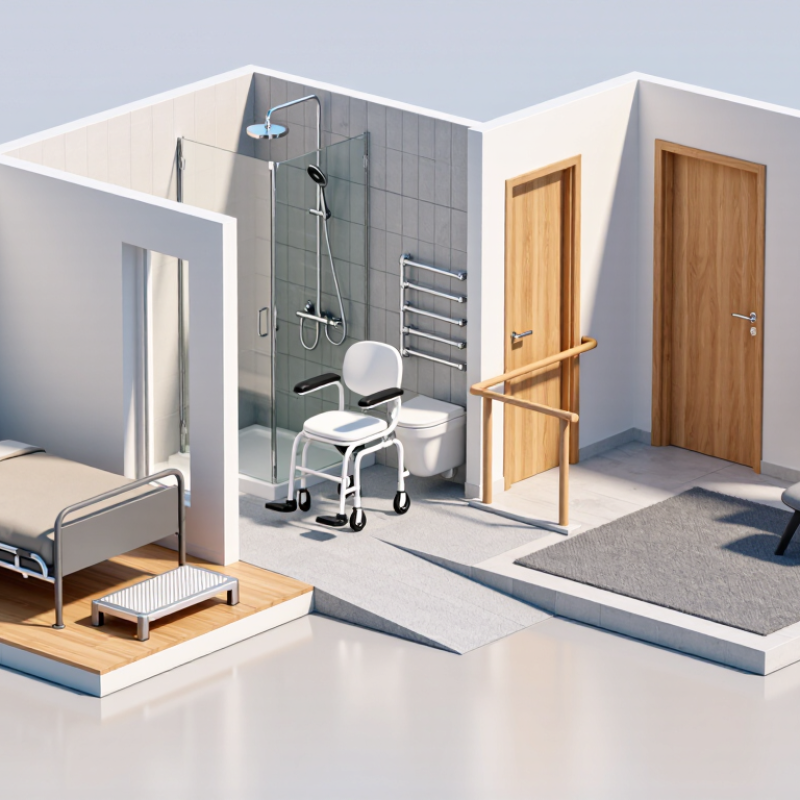
Bathrooms often need several aids because wet surfaces and tight spaces can make transfers difficult. Securely installed grab bars offer support near the toilet or shower. Non-slip mats, a shower chair, and a handheld shower can make bathing steadier and less tiring. A raised toilet seat or toilet safety frame may make sitting and standing easier. These devices still need to fit the person and the room; a grab bar in the wrong place can be hard to use.
A bed rail may assist with repositioning or getting up, but it must be suitable for the bed and user. No setup is perfect. I would not assume that buying more equipment automatically makes a home safer. Ask an occupational therapist or other qualified health professional to assess how the person moves and recommend suitable aids. Follow installation instructions, check fittings regularly, and practice using unfamiliar equipment with help nearby. The safest choice is one the person can use confidently in their actual home.
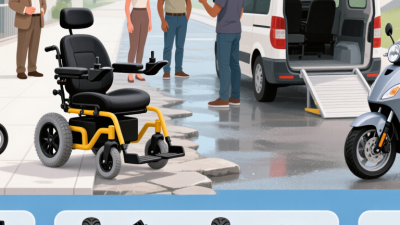
Home access equipment works best when it fits the route people actually use, not just a product list. A ramp can bridge a porch step or an uneven threshold, but its surface, slope, and landing space matter. Measure the full approach, including door swing and room to turn. Keep it dry and clear; wet leaves can make even textured surfaces slippery. Small details count. A modular ramp may suit a temporary need, while a permanent ramp often requires more planning and a stable foundation. Choosing by height alone can miss an awkward approach or a tight doorway.
A stair lift can help someone move between floors without rebuilding the staircase. Check stair width, transfer space at both ends, and whether others can still use the stairs safely. A professional assessment is useful, especially for curved stairs or limited mobility. Ask how the seat, belt, controls, and backup power work, then practice with guidance. It may feel clumsy at first. Other options include grab bars near steps, threshold ramps, and platform lifts for wheelchair users. Each addresses a different access need. Have a qualified installer check load capacity and attachment points, then revisit the setup if balance, strength, or equipment changes. Homes change; access plans should too.
Typical U.S. purchase and installation cost ranges (USD)
Costs are approximate planning ranges, not quotes. Actual prices vary with equipment specifications, home layout, and installation requirements.
Bathroom routines can become risky when floors are wet, transfers feel unsteady, or supplies sit out of reach. A few well-chosen aids can make personal care safer and more manageable. Properly anchored grab bars near the toilet and shower offer support during standing and sitting. They should be installed into suitable structural backing, not treated as towel bars. A stable shower chair can reduce the need to stand while washing, while a handheld shower head helps users rinse without twisting. Non-slip strips or a bath mat with a secure grip can improve footing, but they do not remove every fall risk. Small details matter.
Tips: Keep soap, towels, and clean clothes within easy reach. Check that a toilet safety frame or raised seat fits securely and does not wobble. Clear loose rugs and cords from the route to the bathroom. If a device shifts, stop using it until it has been checked.
The right equipment depends on the person, the bathroom layout, and how much support is needed. A grab bar placed at the wrong height may be hard to use, even if it looks neatly installed. Measure the space and consider the user’s reach and movement before buying equipment. For fixed bars or major changes, ask a qualified installer or occupational therapist to assess the setup. A home arrangement can seem sensible on paper and still feel awkward during a real transfer; adjust it carefully, and revisit the setup as needs change.
Transfers often shape how safely a person moves through the day. A transfer board may help bridge a wheelchair and bed, but it requires suitable balance, arm strength, and instruction. A caregiver should learn safe positioning before assisting. Small details matter: lock wheelchair brakes, clear loose rugs, and keep the destination close.
For bathing, a stable shower chair can reduce standing time, while correctly installed grab bars offer support near the shower or toilet. Suction-cup bars are not a substitute for securely mounted supports. A raised toilet seat may make sitting and standing easier. In the kitchen or bedroom, a reacher can bring lightweight items within reach, and a dressing aid may ease putting on socks.
A small admission: the first setup may feel awkward. That takes practice. Equipment should match the person’s abilities, home layout, and transfer method; one size rarely fits all. An occupational or physical therapist can assess fit and demonstrate use. Check chairs, boards, and fasteners regularly for wear or movement. Even then, a device cannot prevent every fall, so keep pathways clear and avoid rushing.
| Rank | Equipment | Primary Use | Typical Features | Selection and Safety Considerations |
|---|---|---|---|---|
| 1 | Grab Bars | Support when entering or leaving a shower, using a toilet, or moving around other areas of the home. | Fixed bars are commonly available in different lengths and finishes. Some models have textured surfaces for grip. | Choose a position that supports the intended movement. Fixed bars should be securely attached to suitable structural backing; suction-cup bars are not a substitute for a properly installed support bar. |
| 2 | Shower Chair or Bath Seat | Allows a person to sit while bathing, which can reduce standing time and help manage fatigue or balance difficulties. | Many models have height-adjustable legs, non-slip feet, drainage holes, and a backrest or armrests. | Check the seat's stated weight capacity and confirm that it fits securely inside the shower or tub. Keep the floor and feet free of soap buildup. |
| 3 | Raised Toilet Seat | Raises the seating height to make sitting down and standing up easier for some users. | Available in different rise heights; some versions include arm supports or locking fittings. | Check toilet-bowl compatibility, stability, and weight capacity. Arm supports should be securely fitted and appropriate for the user's transfer technique. |
| 4 | Transfer Board | Provides a bridge between two surfaces, such as a bed and wheelchair, for a seated transfer when appropriate. | Typically a smooth, rigid board with rounded edges; length and shape vary by transfer distance and setup. | Use only when the user can safely maintain a seated position and follow the transfer method. Check surface height, board stability, skin protection, and weight rating; seek professional instruction where needed. |
| 5 | Gait Belt | Gives a trained helper a secure handhold during certain assisted standing or walking activities. | Usually an adjustable belt with a buckle; some versions include multiple hand loops. | A gait belt is for trained assistance, not a lifting device. It may be unsuitable for some medical conditions, injuries, or surgical sites; follow clinical guidance and the product instructions. |
| 6 | Patient Lift | Assists with transfers when a person cannot safely stand or transfer with a less supportive method. | Manual and powered models are available. A compatible sling supports the user during the lift. | Match the lift and sling to the user's needs and stated weight limit. Allow sufficient room, inspect equipment before use, and receive hands-on training for fitting and operating the lift. |
| 7 | Bed Assist Rail | Provides a handhold to help some people reposition or move between lying and sitting at the bedside. | Options may attach to or slide beneath a bed or mattress; designs and compatibility differ. | Confirm compatibility with the bed and mattress, and follow installation instructions. Check for gaps that could create an entrapment risk, especially for people with limited awareness or movement. |
| 8 | Reacher or Dressing Aid | Helps retrieve lightweight objects or manage clothing without reaching, bending, or twisting as far. | Common reachers have a hand-operated trigger and a gripping jaw; length and grip style vary. | Choose a length and handle that the user can operate comfortably. Reachers are not intended for heavy, hot, sharp, or unstable objects. |
| 9 | Long-Handled Bathing Sponge | Helps reach the back, lower legs, or feet during bathing when bending or reaching is difficult. | Usually has a long handle with a sponge or washable bathing head; some designs have a curved handle. | Select a comfortable handle length and a surface suitable for the user's skin. Rinse and dry it after use, and replace it if worn or difficult to clean. |
| 10 | Non-Slip Bath Mat | Helps improve traction on a wet shower or bathtub surface. | Available in different shapes and sizes, often with suction cups or a textured underside. | Ensure it lies flat and fits the bathing area. Clean and check it regularly, since soap residue, wear, or loose suction can reduce grip. |
Top 10 Handicap Equipment for Home Use
How to Select and Arrange Equipment for Home Use
Choose equipment around real daily tasks, not a catalogue checklist. The CDC reports that about one in four adults aged 65 and older falls each year. Start by watching how the person gets into the shower, rises from the toilet, and moves between rooms. Useful options may include grab bars, a shower chair, transfer bench, raised toilet seat, bed rail, walker, wheelchair, threshold ramp, non-slip flooring, and a reacher. An occupational therapist can assess fit and safe transfer technique. A device that is too tall or awkward to grip may create a new hazard.
Arrange the home around a clear route from bed to bathroom and kitchen. Secure grab bars into suitable structural supports, keep frequently used items within easy reach, and move loose rugs and cables out of walking paths. Place mobility aids where they can be reached before standing. Keep doorways and turning areas open for walkers or wheelchairs. Measure first; door widths and transfer space matter. It is easy to overbuy. A thoughtful layout may help more than another gadget.
Tips: Test each device with the user and caregiver present. If movement feels strained, pause and ask a qualified clinician to review the setup. Small details matter.