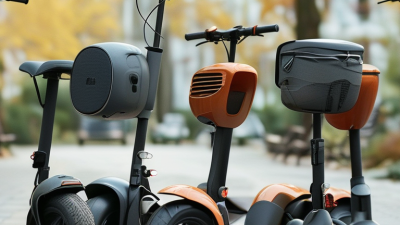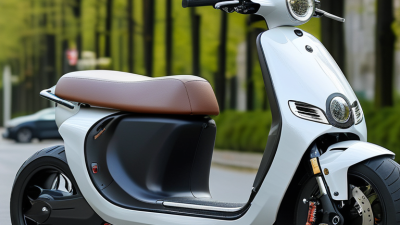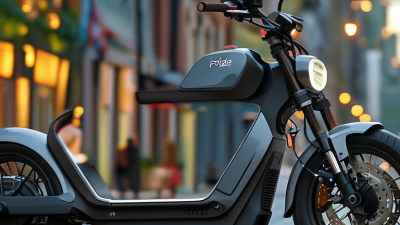

Portable scooters are compact mobility devices designed for easier transport, storage, and everyday movement. They often fold, separate into lighter sections, or use removable batteries. A typical model includes a frame, two or three wheels, a motor, a battery, handlebars, and a control panel. Some look small enough for a car trunk. Others still need careful lifting.
Their operation is fairly simple. The battery sends electrical power to the motor through a controller. When the rider presses the throttle, the motor turns the drive wheel. Brakes reduce speed, while the steering tiller changes direction. Many portable scooters include adjustable seats, solid tires, LED lights, and battery indicators. These details affect comfort, stability, and practical range. A short trip across a supermarket may feel effortless. Uneven pavement can reveal a scooter’s limits quickly.
The phrase portable scooters can sound universally convenient, but it is not. Weight, folded size, turning space, battery capacity, and user strength all matter. A manufacturer’s range estimate may change with rider weight, temperature, slopes, and tire condition. That deserves careful attention. Reliable guidance should compare specifications with real travel needs, not just attractive photographs. Checking the manual, testing the controls, and measuring storage space can prevent expensive mistakes. Professional advice may also help users match a scooter with their balance, posture, and daily routes. Even then, no single design suits everyone. Understanding the working parts makes a more confident choice possible.
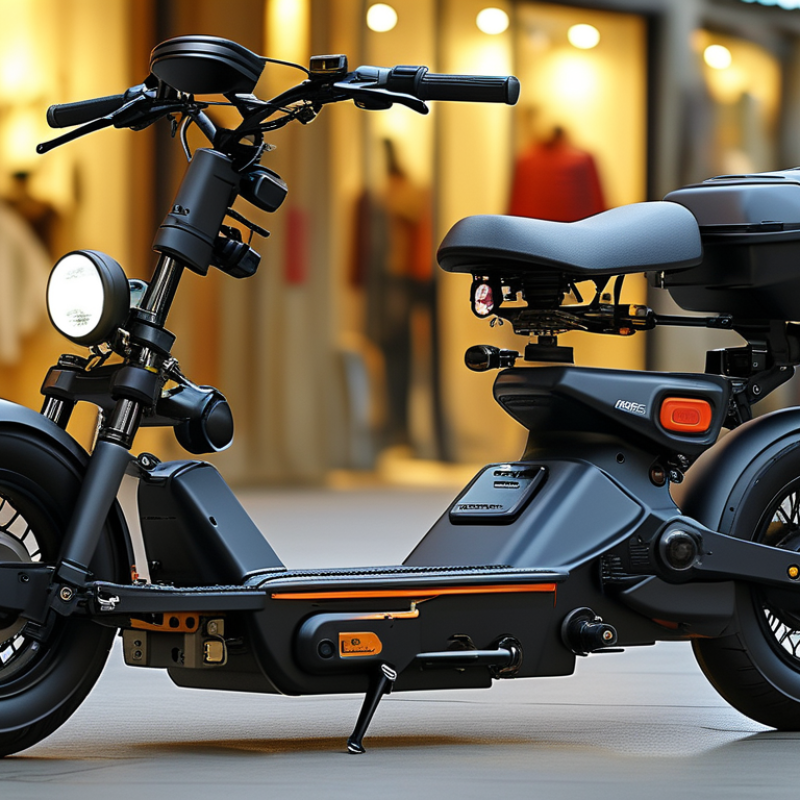
Portable scooters are compact mobility devices designed to help people travel short distances with greater independence. They usually have three or four wheels, a padded seat, handlebars, and an electric motor. Most models use rechargeable batteries and simple thumb or finger controls. Some fold, while others separate into lighter sections for a car boot. They are portable, but not weightless. That distinction matters.
People with limited walking endurance often use them for shopping, appointments, large buildings, or outdoor paths. Older adults may choose one when pain, balance problems, or fatigue make longer journeys difficult. They can also help people recovering from injury, provided a clinician or therapist supports the plan. A portable scooter is not automatically suitable for every user. Someone with poor hand control, serious balance problems, or difficulty transferring may need another mobility option. Seat height, turning space, battery range, and lifting weight all deserve careful checking.
In practical trials, I look beyond the folded size. Can the user release the latch, steer safely, and stop smoothly? Will the battery last through a real afternoon, including slopes and frequent starts? These questions reveal gaps between specifications and daily life. I once underestimated how tiring repeated lifting could become. A scooter may fit a vehicle yet remain awkward at home. Users should test the controls, seat, and storage area before relying on it. Confidence grows slowly.
Portable scooters help users move through homes, shops, and uneven pavements. The need is substantial. The World Health Organization estimates that 1.3 billion people live with significant disability worldwide. The CDC also reports that about one in eight U.S. adults has a mobility disability.
A rechargeable battery stores electrical energy beneath the seat or floorboard. The controller regulates that energy when the user presses the throttle. It sends power to a compact motor, usually connected to a transaxle and drive wheel. The tiller carries the throttle, display, steering controls, and sometimes a horn. Small wheels support balance, while the seat, frame, and armrests manage the rider’s weight.
Battery voltage and amp-hour capacity influence usable range. So do rider weight, hills, tire pressure, temperature, and repeated starts. Range figures can mislead. ISO 7176-4 measures scooter distance under controlled test conditions, not every real pavement. A practical inspection should check brake response, steering play, cable damage, and battery connections. I have found that a clean exterior proves very little. Loose terminals can cause intermittent power, even when the display looks normal. Portable frames also trade strength for easier lifting. That compromise deserves more attention than it usually receives.
What Are Portable Scooters and How Do They Work?
Portable scooters are compact mobility devices designed for short trips, indoor movement, and easier transport. Their folding systems usually use a hinged steering column, locking joints, or a collapsible frame. Some models separate into lighter sections instead. The mechanism matters. A scooter that folds quickly may still feel awkward when lifted into a vehicle.
Most portable scooters move with a rechargeable electric motor, throttle control, and two or three wheels. Small solid tires avoid punctures, but they transmit more vibration across uneven pavements. A low center of gravity improves stability, while a tight turning radius helps inside shops and hallways. The WHO and UNICEF Global Report on Assistive Technology (2022) states that over 2.5 billion people need at least one assistive product today. That figure may exceed 3.5 billion by 2050, increasing the importance of practical designs.
Rechargeable batteries commonly use lithium-ion or sealed lead-acid technology. Charging usually requires connecting the supplied charger to a household outlet after parking safely. A full charge may take several hours, depending on battery capacity and temperature. Never judge range by marketing numbers alone. Passenger weight, hills, tire pressure, and cold weather reduce real performance. Fortune Business Insights estimated the global mobility scooter market at approximately US$2.2 billion in 2023, reflecting expanding demand. Yet portability remains imperfect: lighter frames often carry less weight, travel shorter distances, or feel less comfortable over rough ground.
Portable scooters are compact mobility devices designed for short trips, indoor movement, and easier transport. They usually run on rechargeable batteries. A throttle controls speed, while the handlebar directs the front wheel. Many models separate into lighter sections or fold for a car trunk.
Folding scooters suit commuters, travelers, and people with limited storage space. They work well on smooth pavements, shopping centers, and station platforms. Their smaller wheels can struggle with broken sidewalks or steep ramps. Three-wheel scooters offer a tight turning circle. They are useful in narrow hallways and crowded rooms. However, they may feel less stable during sharp turns. I once underestimated this difference in a small apartment. Turning space matters more than brochures suggest.
Four-wheel scooters provide better stability on outdoor paths and uneven surfaces. They are often preferred for longer neighborhood trips, especially when the route includes gentle slopes. Heavy-duty portable versions may carry more weight, but they can be harder to lift. Travel scooters with removable batteries simplify charging and storage. Users should check battery capacity, seat support, ground clearance, and total weight before buying. A short test ride can reveal uncomfortable steering or weak braking. That practical check is easy to skip. Always follow the operating manual, charge the battery in a suitable location, and inspect the tires before each ride. Weather, surface quality, and personal balance can change how safely a scooter performs.
Portable scooters use a rechargeable battery, electric motor, controller, and steering tiller. Foldable models usually reduce transport weight, but portability can reduce seat size, suspension, or ground clearance. The 2022 WHO Global Report on Assistive Technology estimates that 2.5 billion people need assistive products worldwide. Safe design therefore matters beyond convenience.
Safety features may include electromagnetic brakes, speed controls, anti-tip wheels, headlights, reflectors, horns, and adjustable armrests. These features reduce risk, but they cannot correct poor balance or unsafe surfaces. CPSC powered-mobility-device incident data identifies falls, collisions, and battery fires as recurring hazards. Wet floors, steep ramps, loose gravel, and crowded entrances remain difficult. Claimed travel range also changes with rider weight, slope, temperature, tire pressure, and battery age. It is not a fixed promise.
Tips: Before each trip, test the brakes, horn, lights, and battery indicator. Inspect tires for low pressure or cracks. Keep charging areas dry, ventilated, and free from fabric or paper. Use only the supplied charging equipment. Never ignore unusual heat, odor, or swelling. Clean the frame with a damp cloth, then dry the controls. Schedule professional checks when braking feels delayed. Even careful users miss one inspection when rushing. That small habit deserves more attention.
Portable scooters are compact battery-powered mobility devices designed for short trips. They typically use a rechargeable battery, electric motor, tiller controls, electromagnetic braking, and a folding or detachable frame.
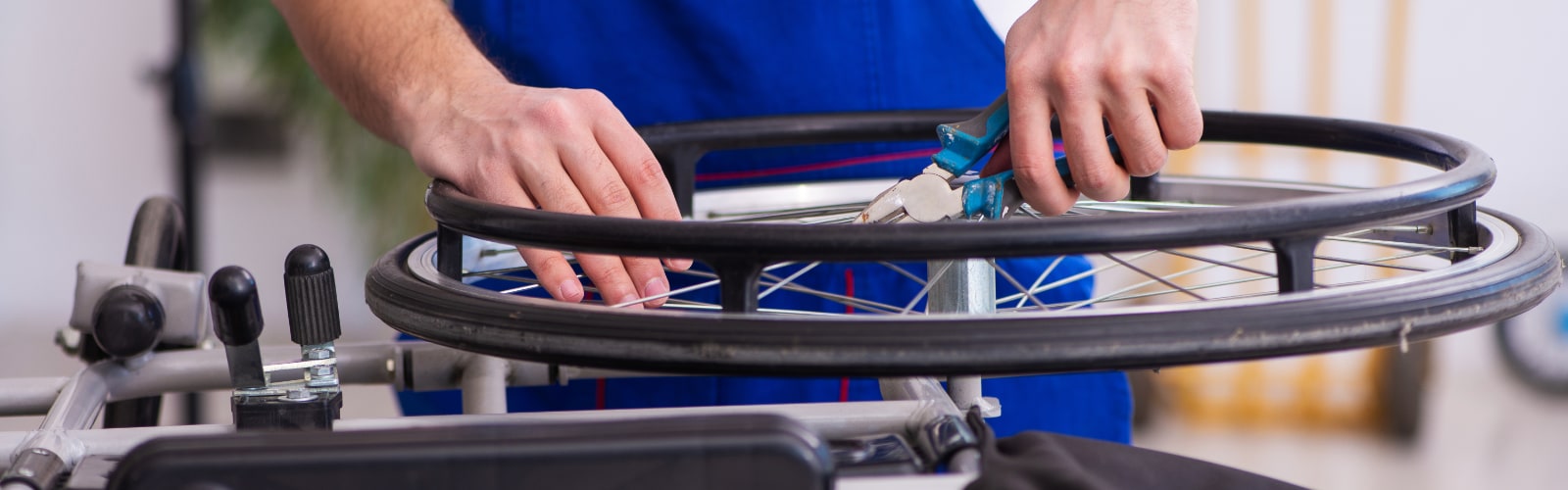
General maintenance guidance: Complete a quick safety check before every ride, including the brakes, steering, tires, lights, battery connection, and folding latch. Check tire pressure and fasteners monthly, and arrange a professional inspection approximately once a year. Exact intervals vary by scooter design and usage, so the owner’s manual should take priority.
Important limitations: Portable scooters usually have lower ground clearance, shorter travel ranges, smaller wheels, and lower weight capacity than full-size mobility scooters. Wet surfaces, steep slopes, uneven ground, and loose terrain can reduce stability and braking performance.