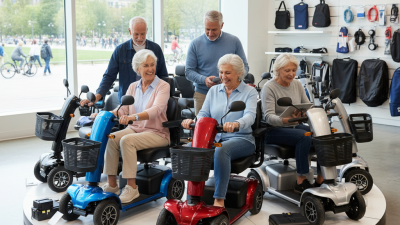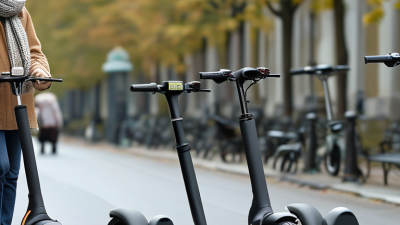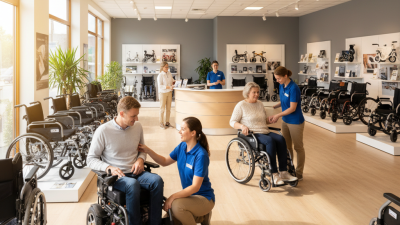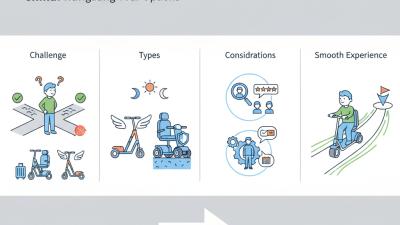

Portable scooters offer a practical solution for individuals seeking enhanced mobility. These innovative devices cater to a wide range of users, from seniors to those with temporary injuries. The ease of use and convenience of portable scooters make them increasingly popular. They provide independence and freedom, allowing users to navigate various environments comfortably.
When considering mobility, many people overlook the benefits of portable scooters. They are lightweight and easily transportable, making them ideal for travel. Users can quickly fold them and place them in a car trunk or public transportation. This versatility is crucial for those facing mobility challenges. However, it's essential to choose the right model, as not all scooters meet every individual's needs.
While portable scooters are not a one-size-fits-all solution, they certainly can enhance quality of life for many. Those who struggle with walking should explore this option. Finding the perfect scooter may require time and effort, but the investment can lead to greater independence. In this evolving landscape of mobility aids, portable scooters stand out as a reliable choice for many.
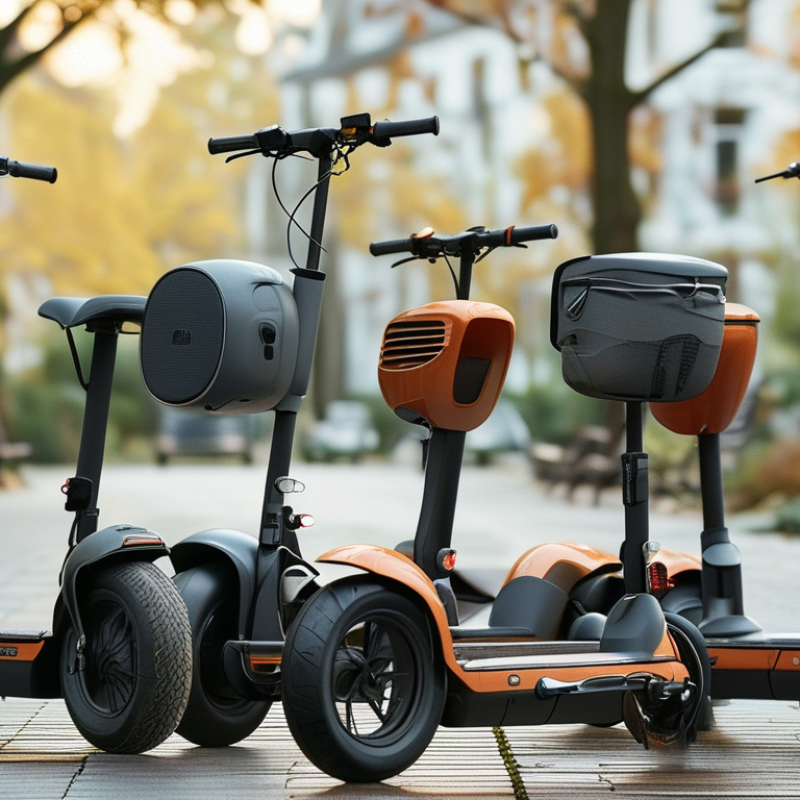
Portable scooters offer numerous benefits for individuals seeking enhanced mobility and independence. According to a recent report from the National Institute of Health, nearly 3 million Americans face mobility challenges. Portable scooters address these challenges effectively, allowing users to navigate their environments with ease. They are lightweight and designed for easy transport, making them ideal for those who often travel or live in urban settings.
The convenience of portable scooters cannot be overstated. Many models can disassemble into compact parts. This feature makes it easier for users to store or transport them in vehicles. The American Transportation Association emphasizes that easy mobility is crucial for fostering independence among seniors and those with disabilities. These scooters empower individuals to participate in social activities, thereby improving their quality of life.
However, challenges still exist. Some users may feel hesitant to operate scooters in crowded areas, leading to potential accidents. User education programs could mitigate these risks by providing training on safe operation and navigation strategies. A better-informed user not only benefits personally but can also influence the perceptions around the use of these essential mobility aids. The journey towards widespread acceptance involves addressing these concerns while highlighting the significant advantages portable scooters provide.
The demand for portable scooters is on the rise. This growth reflects the changing needs of our aging population and individuals with mobility challenges. Portable scooters provide enhanced independence and ease of transportation, vital for those who are often limited by traditional mobility aids. With so many options available, choosing the right scooter can become overwhelming.
Here are a few tips for selecting a portable scooter. Consider the weight capacity and range of the scooter. Ensure it fits your lifestyle and intended use. Some scooters are compact but lack power. If you need to cover longer distances, prioritize battery life and speed. Also, evaluate the scooter’s folding mechanism. A cumbersome design may hinder your ability to transport it easily.
Remember that not all scooters are built the same. Some may perform well indoors but struggle outdoors. It's essential to test different models if possible. Reflect on your specific needs and situations. A scooter that works for one person may not suit another's requirements. Make informed decisions based on real-life testing and personal experience. This will help you find the best mobility solution for yourself or your loved ones.
Choosing a portable scooter can significantly enhance mobility options for many individuals. When evaluating a scooter, consider the weight capacity. Many models support between 250 to 300 pounds. This ensures stability and durability. A scooter that can handle heavier users is crucial for safety and longevity.
Portability is another key feature. Look for scooters that can be easily disassembled into lightweight components. The average weight of portable scooters is around 80 to 100 pounds. This allows users to transport them conveniently in vehicles. Battery life also plays an essential role. Most scooters offer a range of 10 to 15 miles on a full charge. This is vital for daily activities.
Research shows that 42% of users prioritize ease of folding or disassembly. A scooter that fits easily into tight spaces is more practical. Additionally, consider the turning radius. A tighter turning radius allows for better maneuverability in crowded areas. While many scooters claim to be portable, not all meet basic usability standards. It's wise to read user reviews for firsthand experiences.
This chart highlights essential features to consider when choosing portable scooters, including their weight capacity, maximum speed, range per charge, charging time, and foldability. These attributes are critical for users seeking enhanced mobility solutions.
Mobility is a growing concern for seniors. Statistics reveal that nearly 30% of older adults experience mobility issues. These challenges often lead to social isolation and decreased physical activity. The need for reliable mobility solutions is urgent and clear.
Portable scooters present an effective answer. They provide independence and ease for those with mobility concerns. Many seniors report feeling more connected when they can move freely about their communities. Yet, it's essential to recognize that not all scooters fit every need. Some may struggle with storage or weight capacity. Research shows that many users appreciate the convenience of portability but encounter challenges regarding battery life and charging accessibility.
Beyond convenience, there’s a need for community support. Accessibility in public spaces is often lacking. Statistics show that less than half of cities cater adequately to the needs of seniors with mobility devices. Therefore, addressing these gaps is essential for seamless mobility. A conversation about portable scooters should also include discussions on infrastructure and community awareness. This can lead to better solutions for everyone involved.
Portable scooters have gained popularity as a convenient mobility solution. They differ significantly from traditional mobility aids like canes and walkers. For many users, portability is a crucial factor. Scooters are designed to be lightweight and easy to transport. Most can be disassembled quickly, fitting into car trunks or storage spaces without hassle.
When comparing the two, a portable scooter offers enhanced comfort. It provides a seat, allowing users to rest during longer outings. Traditional aids may strain the body over time. Yet, scooters might seem intimidating for some. Steering and maneuvering can require practice. User confidence grows with familiarity. Taking time to adjust can make a big difference.
**Tips:** Choose a model that fits your lifestyle. If you travel often, look for scooters that fold easily. Ensure it meets your weight requirements. Regular practice in a safe space can help make the transition smoother. Remember to consider terrain; some scooters handle hills better than others.
| Feature | Portable Scooters | Traditional Mobility Aids |
|---|---|---|
| Weight | Lightweight, usually between 60-100 lbs | Heavier, can weigh 100+ lbs |
| Portability | Easily foldable/disassemble for transport | Difficult to transport, often not foldable |
| Comfort | Ergonomic seating available | Limited comfort options, often less ergonomic |
| Speed | Average speeds of 4-7 mph | Typically slower, around 2-4 mph |
| Range | 15-30 miles on a single charge | Limited range, usually less than 10 miles |
| Maneuverability | Excellent for tight spaces | Less maneuverable, larger turning radius |
| Cost | Moderate price range, $500-$3000 | Varied pricing, often more expensive |