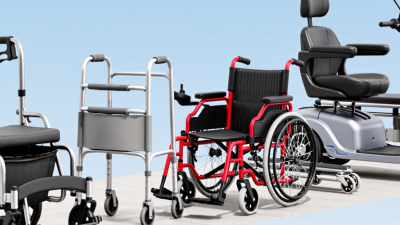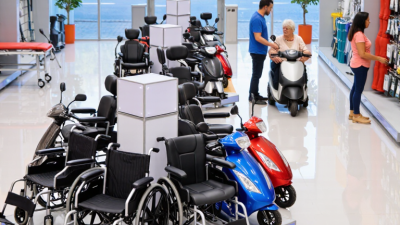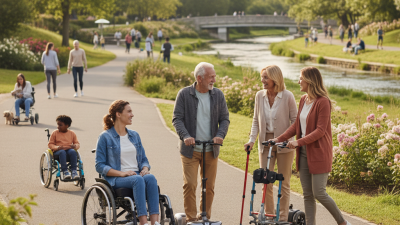
The global demand for mobility aids is becoming more visible, measurable, and urgent. According to the WHO and UNICEF Global Report on Assistive Technology, more than 2.5 billion people currently need at least one assistive product. This figure may exceed 3.5 billion by 2050. The report highlights major gaps in affordability, availability, and professional support. These gaps make dependable manufacturing more important than attractive product photographs.
As WHO Director-General Dr. Tedros Adhanom Ghebreyesus stated, “Assistive technology is a life-changer. It enables people to lead healthy, productive, independent, and dignified lives.” That principle should guide every mobility aids purchasing decision. A wheelchair, walking frame, rollator, or transfer aid must work reliably on real floors, ramps, pavements, and hospital corridors. Small details matter. Brake pressure. Frame stability. Seat comfort. Replacement parts.
China has become an important production base for these products. Yet factory scale alone does not prove quality. This guide examines ten Chinese mobility aids manufacturers for global buyers, using practical criteria such as product range, manufacturing experience, quality systems, testing records, customization capability, export service, and after-sales support. Evidence can vary between suppliers. Some public information remains incomplete. That deserves careful reflection.
No ranking can be perfectly objective. Buyer requirements differ widely. A distributor may value container capacity, while a rehabilitation provider may prioritize clinical usability and repair access. Global buyers should verify certificates, inspection reports, sample performance, warranty terms, and production capacity before placing orders. The following overview is designed as a focused starting point, not a substitute for technical due diligence.
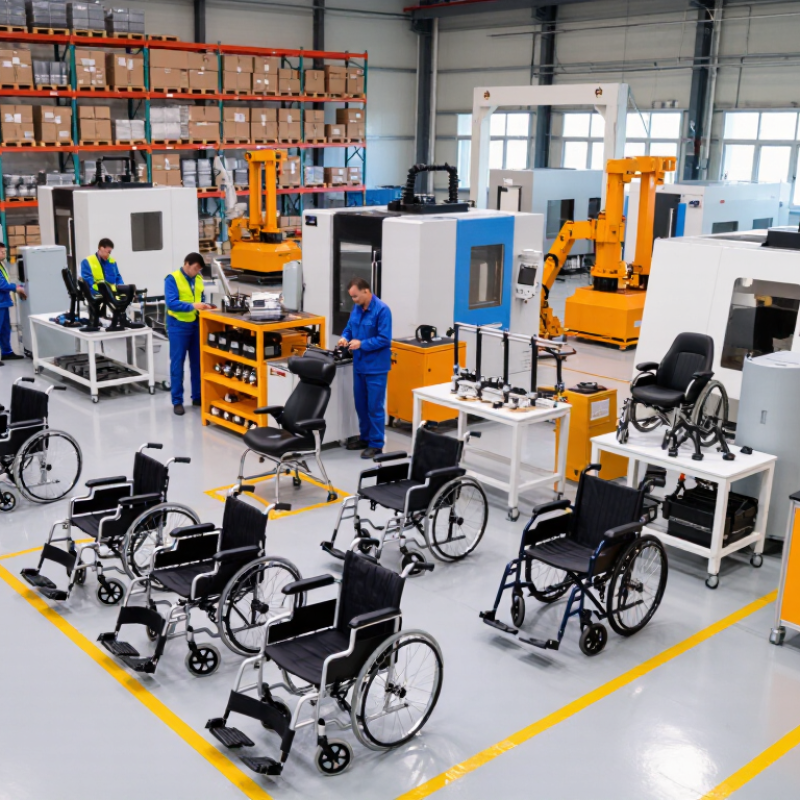
China Top 10 Mobility Aids Manufacturers for Global Buyers
WHO data indicates that 2.5 billion people worldwide need at least one assistive product. Mobility needs are growing with aging populations, chronic conditions, injuries, and limited rehabilitation services. By 2050, this number may exceed 3.5 billion. A walking frame, wheelchair, cane, or transfer aid can decide whether someone reaches work, school, or a clinic safely.
For global buyers, China’s leading mobility aid manufacturers should be judged beyond catalog photos. Strong suppliers usually provide material specifications, load testing, user instructions, and traceable quality records. During supplier assessments, I examine frame welds, wheel movement, brake response, seat support, and packaging strength. Small details matter. A loose brake can create a serious risk.
Export experience also deserves close attention. Reliable manufacturers understand labeling, documentation, inspection procedures, and destination-market requirements. Buyers should request product samples before large orders. They should also confirm spare parts, warranty handling, lead times, and communication practices. A low price is not always a low total cost.
Some suppliers may present polished certificates but offer limited technical evidence. That gap deserves questions, not quick approval. Even experienced buyers can overlook user comfort during negotiations. Weight, folding effort, handle height, and indoor turning space affect daily use. The top ten should therefore be assessed through verified performance, responsive service, and practical suitability for the people who depend on these products.
WHO Data: 2.5 Billion People Need Assistive Products Worldwide
| No. | Mobility-Aid Category | Primary User Need | International Reference Standard | Key Buyer Evaluation Dimensions | Verified Global Evidence or Market Context |
|---|---|---|---|---|---|
| 01 | Manual Wheelchairs | Seated mobility for users with limited walking ability or endurance. | ISO 7176 series; WHO wheelchair-provision guidance | Frame strength Seat width Brake safety Foldability Spare parts | WHO estimates that more than 80 million people may need a wheelchair worldwide, while access remains limited in many low- and middle-income settings. |
| 02 | Powered Wheelchairs | Independent indoor and outdoor mobility for users unable to propel a manual wheelchair. | ISO 7176 series; applicable national electrical-safety requirements | Battery range Controller reliability Maximum user mass Charging system Service network | Powered wheelchairs are classified as assistive products; technical performance, electrical safety, battery transport, and post-sale servicing are core purchasing factors. |
| 03 | Rollators | Walking support with balance assistance and a seated rest option. | ISO 11199-2 | Static stability Dynamic stability Brake performance Wheel diameter Handle adjustment | Rollators are covered by the ISO 11199 standard family for walking aids manipulated by both arms; stability and braking should be verified under intended load conditions. |
| 04 | Walking Frames | Stable, low-speed support for users requiring a broad base of support. | ISO 11199-1 | Tip resistance Tube strength Height range Rubber tips Product weight | ISO 11199-1 specifies requirements and test methods for walking frames, including stability, strength, and dimensions relevant to user safety. |
| 05 | Walking Sticks and Canes | Lightweight balance support for users with relatively mild mobility limitations. | ISO 11334-1 | Shaft strength Grip comfort Tip traction Height adjustment Corrosion resistance | ISO 11334-1 covers walking sticks with one arm support and defines relevant performance and test requirements for commonly traded cane designs. |
| 06 | Crutches | Partial or full unloading of one or both lower limbs during walking. | Applicable national medical-device and walking-aid requirements | Load capacity Cuff fit Grip ergonomics Tip durability Adjustment range | Crutches are recognized mobility assistive products; user fit, correct adjustment, load testing, and replacement of worn tips are essential safety considerations. |
| 07 | Transfer Boards | Assistance with seated transfers between beds, wheelchairs, chairs, and other surfaces. | Risk-based medical-device requirements; buyer-specified load testing | Safe working load Surface friction Edge finish Board length Cleaning resistance | Transfer equipment supports safe movement for people with reduced lower-limb function; compatibility with transfer height and caregiver technique is central to procurement. |
| 08 | Mobility Scooters | Powered community mobility for users who can sit upright but have limited walking distance. | Applicable regional powered-mobility and electrical-safety requirements | Travel range Turning radius Ground clearance Maximum slope Battery compliance | Mobility scooters require assessment of terrain, weather exposure, battery transport rules, seating support, and local road or accessibility regulations. |
| 09 | Gait Trainers | Supported gait practice for children or adults requiring trunk, pelvic, or lower-limb assistance. | Risk-based assistive-device requirements; clinical fitting protocols | Adjustability Postural support Harness security Caster control Growth allowance | Gait trainers are generally selected with input from rehabilitation professionals because configuration, body support, and user growth directly affect safe clinical use. |
| 10 | Stair-Climbing Mobility Devices | Support for moving a seated user across stairs where conventional wheelchair access is unavailable. | Applicable regional machinery, electrical, and medical-device requirements | Stair compatibility Operator training Emergency stop Battery safety Load rating | These devices involve higher operational risk than ordinary walking aids; site assessment, trained operators, emergency procedures, and documented maintenance are required. |