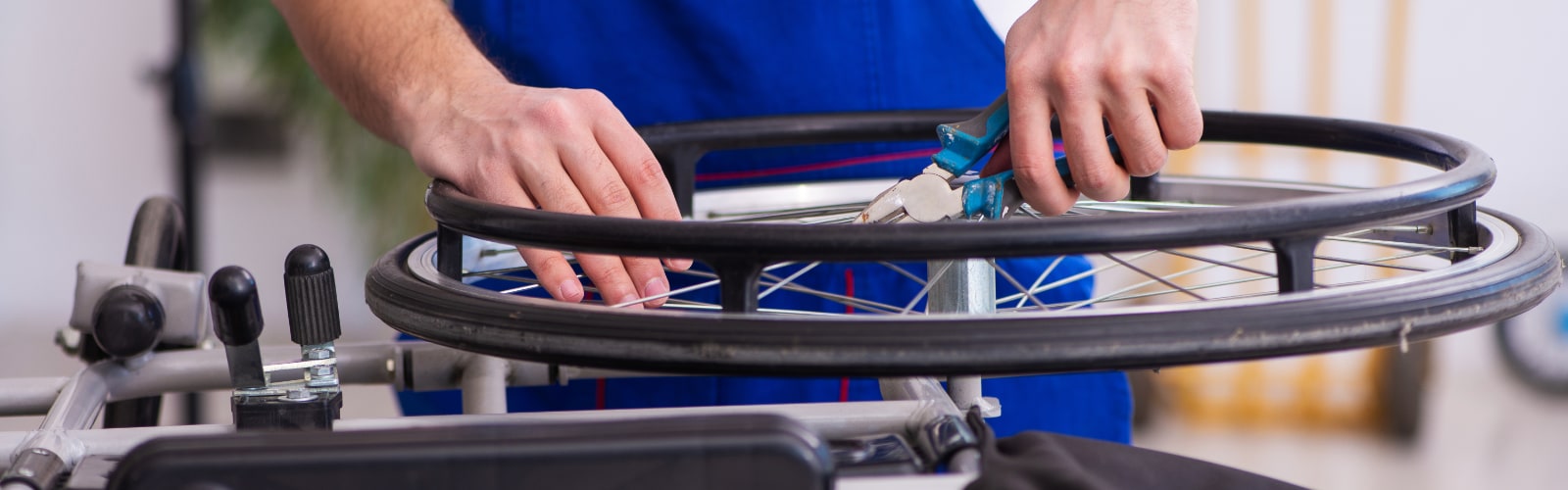

Choosing the right mobility aids in 2026 requires more than comparing prices or reading attractive product descriptions. Global buyers must consider comfort, safety, durability, maintenance, and the user’s daily environment. A lightweight rollator may work well on smooth pavements but feel unstable on gravel. A powered wheelchair may offer independence, yet its battery range, charging requirements, and transport weight need careful checking. Small details matter.
This guide examines leading mobility aids for international buyers, including walking frames, canes, rollators, wheelchairs, scooters, and transfer equipment. Each category deserves practical evaluation. We will consider adjustability, braking performance, seat support, foldability, replacement parts, warranty terms, and supplier communication. Professional advice also matters, especially when posture, balance, strength, or recovery needs are involved. Product specifications should be verified through reliable manufacturer documents and independent testing where available.
Real-world experience can expose weaknesses that marketing pages omit. A narrow doorway may defeat a wide wheelchair. A shiny handle may become slippery after rain. These issues are easy to overlook. No product is perfect.
The rankings may change as technology, supply chains, and user feedback develop. Online reviews can be useful, but they are not always complete or comparable. Buyers should confirm regional requirements, delivery conditions, service availability, and return policies before ordering. This article aims to support informed decisions, not replace assessment from qualified healthcare professionals. The best mobility aids are those that fit the person, the route, and the support available after purchase.
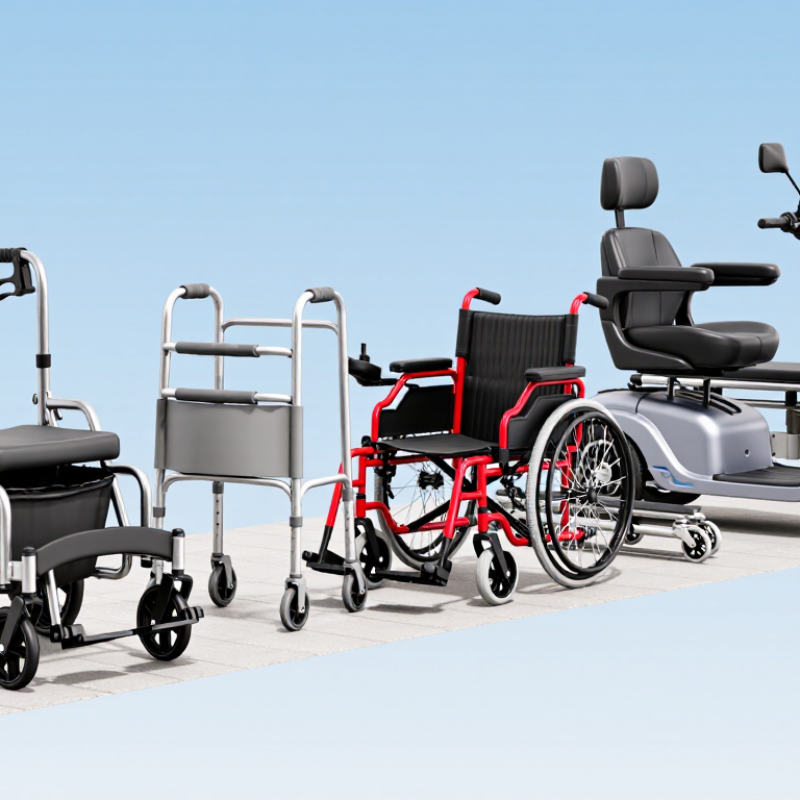
Mobility aids are tools that support safer movement, balance, and daily independence. They include walking canes, crutches, walkers, wheelchairs, and transfer supports. Their purpose is not simply to increase speed. A suitable aid can reduce fall risk, ease joint strain, and help someone reach work, school, or a bathroom safely. However, the right choice depends on strength, balance, body size, environment, and expected use.
Main user groups include older adults, people recovering from surgery, and individuals with temporary injuries. People living with neurological, muscular, or joint conditions may also need long-term support. Children require special assessment because their height and coordination change quickly. Caregivers and rehabilitation professionals often help evaluate posture, grip strength, turning space, and walking patterns. A product can look stable but still feel unsafe on wet floors or uneven paths. That detail is easy to miss.
Tips: Measure doorways, seat height, and storage space before buying. Ask a qualified therapist to check handle height and weight support. Test the aid with ordinary shoes, not only indoors. Check brakes, wheels, tips, and folding locks regularly. For global buyers, confirm instructions, replacement parts, and service access before ordering. Comfort matters too. A technically suitable aid may remain unused if it causes wrist pain, embarrassment, or fatigue. My practical view is imperfect: price can guide a shortlist, but it should never replace a safety assessment.

2026 Top Mobility Aids for Global Buyers
Mobility aids now cover different needs, from occasional support to full-time powered movement. Walking canes suit users who need light balance assistance on level ground. Quad canes provide a wider base, but they may feel awkward on stairs. Crutches can reduce weight on an injured leg when adjusted correctly. Poor height settings can strain the shoulders, so professional fitting remains important.
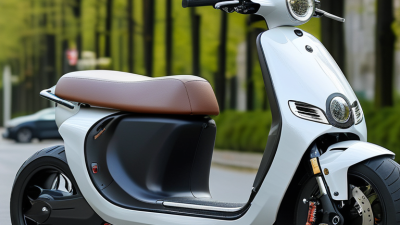
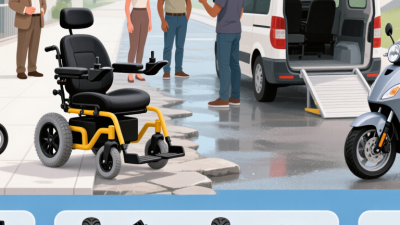
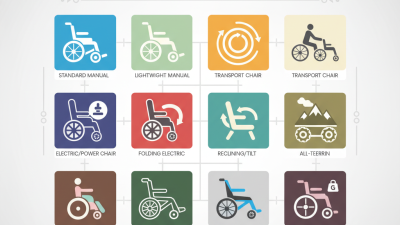
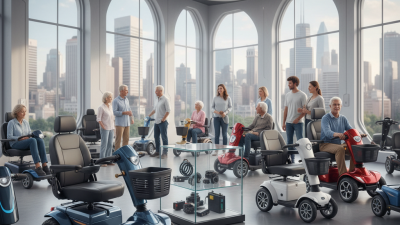
Walkers and rollators offer stronger stability for users with reduced balance or leg strength. A basic walker suits slow, controlled movement indoors. A rollator adds wheels, hand brakes, and often a seat for outdoor pauses. Wheelchairs remain essential when walking is unsafe or exhausting. Manual models depend on upper-body strength, while powered models require battery planning, charging access, and safe control training.
Transfer aids, such as patient lifts, transfer boards, and support rails, help reduce fall risks during bed, toilet, or vehicle transfers. They should match the user’s weight, home layout, and caregiver ability. In global purchasing, buyers should check dimensions, spare-part access, user instructions, and local conformity requirements. Fit matters most. No product category works equally well for every person, and online descriptions can hide important weaknesses. A careful assessment by a qualified clinician or mobility specialist may prevent an expensive mismatch.
For global buyers, mobility aids should be compared by safety, comfort, portability, and durability. In 2026, product photos are not enough. During hands-on evaluations, I check frame stability, brake response, handle height, and wheel grip on uneven floors. A lightweight frame may be easier to lift, but it can feel less stable for some users. Test it carefully.
Safety depends on fit and correct adjustment. Confirm the user’s weight, height, balance, and daily environment before purchasing. Comfort also matters during extended use. Look for supportive seating, breathable materials, padded handles, and smooth height adjustment. Portability includes more than folded size. Check the actual lifting weight, folding effort, storage space, and transport compatibility. For durability, inspect joints, fasteners, wheel construction, and replacement-part access. Ask for independent test evidence when available. Standards differ between markets, so verify local requirements.
Tips: Measure doorways and vehicle storage areas first. Test the aid with ordinary shoes and a small bag. Listen for frame movement or brake squeaks. If possible, use it for several minutes on slopes and rough pavement. My own comparisons are not perfect; comfort can change after longer use. That is why user trials and qualified professional advice remain valuable.
Comparing safety, comfort, portability, and durability by mobility-aid category
Scores use a 1–5 category-level index based on typical design characteristics, including stability, seating support, transport weight, folding convenience, frame construction, and expected service life. Actual performance varies by model, user weight, terrain, maintenance, and local safety requirements.
2026 Top Mobility Aids for Global Buyers
Regional standards and real accessibility needs should guide every mobility-aid purchase. The WHO and UNICEF Global Report on Assistive Technology (2022) estimates that more than 2.5 billion people need assistive products. This figure may exceed 3.5 billion by 2050. Yet nearly one billion people still lack access. A universal best choice is a convenient fiction. Buyers should assess door widths, road surfaces, storage space, and caregiver support before comparing features.
Regional compliance also matters. ISO 7176 provides testing methods for wheelchairs, while EN 12183 covers manual wheelchairs and EN 12184 covers powered models in relevant markets. These standards address safety and performance, but they do not guarantee comfort in every community. A narrow indoor chair may fail on uneven paths. A powerful battery model may struggle with local charging access. Weather, humidity, spare parts, and technician availability deserve equal attention. The Global Disability Innovation Hub’s Assistive Technology Market Report highlights affordability and service networks as major barriers, not only product price.
Tips: Request test documentation and written warranty terms. Measure the user, doorway, turning area, and transport space. Confirm battery rules with carriers and local authorities. Ask who repairs the aid after purchase. Small details matter. Buyers should also record concerns after trial use, because real-world performance can differ from showroom promises.
| Mobility Aid Category | Typical User Profile | Main Accessibility Need | Recommended Use Environment | Key Technical Selection Criteria | Relevant Standards or Regulations | Regional Purchasing Considerations | Important Buyer Checks |
|---|---|---|---|---|---|---|---|
| Single-Point Walking Stick | People needing light balance support or partial weight assistance. | Improved stability during short-distance walking and transfers. | Indoor areas, paved streets, shopping centers, and public transport. | Correct handle height, non-slip ferrule, comfortable grip, low weight, and adequate load rating. | ISO 11334-1 provides requirements and test methods for walking sticks used as walking aids. | Check local product-safety labeling, metric or imperial height markings, and replacement ferrule availability. | The user should be able to stand upright with the elbow slightly flexed when holding the handle. |
| Quadruped Cane | Users requiring more lateral stability than a single-point stick can provide. | Additional support for balance impairment and controlled transfers. | Indoor and smooth outdoor surfaces with sufficient floor clearance. | Base footprint, tip orientation, height adjustment, grip shape, total weight, and stability on uneven flooring. | Product requirements may be assessed under applicable walking-aid and general medical-device rules in the destination market. | A broad base may be useful indoors but can catch on narrow doorways, stairs, or uneven paving. | Confirm whether the base is suitable for the user's dominant hand and walking pattern. |
| Standard Walking Frame | People needing high stability and substantial support while walking slowly. | Four-point support, reduced fall risk, and assistance during rehabilitation. | Flat indoor floors, clinics, care facilities, and short controlled distances. | Frame width, height range, grip diameter, rubber tips, folding mechanism, and maximum user mass. | ISO 11199-1 covers requirements and test methods for walking frames. | Measure doorways, elevators, and bathroom entrances before purchase; local reimbursement rules may require a prescription. | Verify that all four legs remain level and that the frame can be lifted safely by the user. |
| Wheeled Rollator | Users who can walk but need continuous support, rest seating, or storage. | Walking assistance with improved endurance and convenient seated rest. | Indoor and outdoor paved routes, shopping areas, parks, and assisted travel. | Brake performance, seat height, wheel diameter, turning radius, frame width, folding size, and basket capacity. | ISO 11199-2 specifies requirements and test methods for rollators. | Larger wheels generally handle outdoor surfaces better; compact frames are easier to use in crowded urban housing. | The parking brake must hold the device securely while the user sits or stands. |
| Manual Wheelchair | Users with limited walking ability who require seated mobility for short or extended periods. | Postural support, pressure management, propulsion assistance, and accessible transfers. | Homes, public buildings, sidewalks, transport hubs, and accessible travel routes. | Seat width and depth, seat-to-floor height, wheel size, frame weight, brakes, footrests, cushions, and transport dimensions. | ISO 7176 series covers wheelchair testing; EN 12183 addresses manually propelled wheelchairs in European markets. | Confirm doorway widths, ramp gradients, airline or rail transport policies, import duties, and repair support. | A qualified seating assessment is recommended when the chair will be used daily or for prolonged sitting. |
| Powered Wheelchair | Users with limited upper-body strength or insufficient endurance for manual propulsion. | Independent mobility, powered seating functions, and improved postural positioning. | Indoor and outdoor routes selected according to the drive system, ground clearance, and weather rating. | Battery range, charging time, drive-wheel configuration, turning radius, seat functions, controller access, slope capacity, and total width. | ISO 7176 series and EN 12184 are widely referenced for powered wheelchairs; EU products may fall under Regulation (EU) 2017/745. | Check electrical supply, charger compatibility, battery transport rules, customs documentation, and local servicing capability. | Range claims vary with user mass, temperature, terrain, battery age, and driving style. |
| Mobility Scooter | People who can sit upright and transfer but need powered assistance for community mobility. | Longer-distance travel with a stable seated driving position. | Shopping districts, paved paths, residential areas, and approved public routes. | Class or size category, maximum speed, ground clearance, turning circle, suspension, battery type, weather protection, and transportability. | Applicable requirements vary by jurisdiction; some markets classify scooters as medical devices, while road-use and vehicle rules may also apply. | Check whether registration, insurance, lighting, reflective markings, or operator rules apply in the destination country. | A scooter is not automatically suitable for ramps, rough ground, indoor turning spaces, or users needing advanced seating support. |
| Stairlift or Platform Lift | People unable to use stairs safely and households requiring access between building levels. | Vertical accessibility, safe transfers, and continued access to essential rooms. | Private homes, care facilities, public buildings, and buildings with appropriate structural clearance. | Rail or platform configuration, load capacity, stair geometry, emergency lowering, safety sensors, power backup, and installation space. | Machinery, lift, building, and electrical-safety requirements differ by market; installation should follow the applicable national rules. | A site survey is normally required; verify landlord approval, building permits, maintenance obligations, and emergency procedures. | Do not compare equipment price without including structural work, installation, inspection, service, and removal costs. |
| Transfer Board and Patient Lift | Users with severe mobility limitations who need assisted transfers between bed, chair, and bathroom equipment. | Reduced manual lifting, safer caregiver handling, and prevention of transfer-related injuries. | Hospitals, care homes, rehabilitation settings, and adapted home-care environments. | Safe working load, sling compatibility, transfer clearance, surface friction, castor locking, emergency lowering, and caregiver training. | Medical-device and workplace-safety requirements vary by destination; risk assessment and documented training are essential. | Confirm availability of compatible slings, batteries, chargers, replacement parts, inspection records, and local technical support. | Never exceed the rated load or use a lifting device without checking sling fit, attachment points, and caregiver competency. |
2026 Top Mobility Aids for Global Buyers
Emerging Technologies Shaping the Future of Mobility Assistance
Mobility assistance is becoming more responsive, connected, and user-centered. Smart walkers now use pressure sensors to detect uneven flooring, sudden stops, and changes in walking speed. Their handles can provide gentle vibration alerts near stairs or obstacles. These features may help users move more confidently in crowded stations or narrow home corridors.
Artificial intelligence is also improving powered wheelchairs and navigation systems. Cameras, depth sensors, and mapping software can identify doorways, ramps, furniture, and temporary hazards. Some systems adjust speed automatically when a user approaches a busy crossing. However, lighting, weather, and crowded environments can still confuse sensors. Human control must remain available.
Wearable exoskeletons and lightweight support frames are developing quickly. New materials can reduce weight while assisting the hips, knees, or ankles during standing and walking. Battery performance remains a practical concern, especially for buyers in regions with limited charging access. Buyers should examine repair networks, replacement parts, local service skills, and safety documentation. Independent testing and recognized medical-device standards offer stronger evidence than promotional claims.
Real-world evaluation matters. A device should fit the user’s body, home layout, climate, and daily routine. A compact aid may work well indoors but struggle on gravel or wet pavement. Privacy also deserves attention when connected devices collect movement data. The technology is promising, but not flawless. Careful assessment remains essential.