Choosing among wheelchair rentals in China requires more than comparing daily prices. The right model depends on mobility needs, travel distance, user strength, terrain, and available assistance. A lightweight manual wheelchair may suit airport transfers, hotel corridors, and short city visits. A power wheelchair can offer greater independence, but it needs charging access, transport space, and careful route planning.
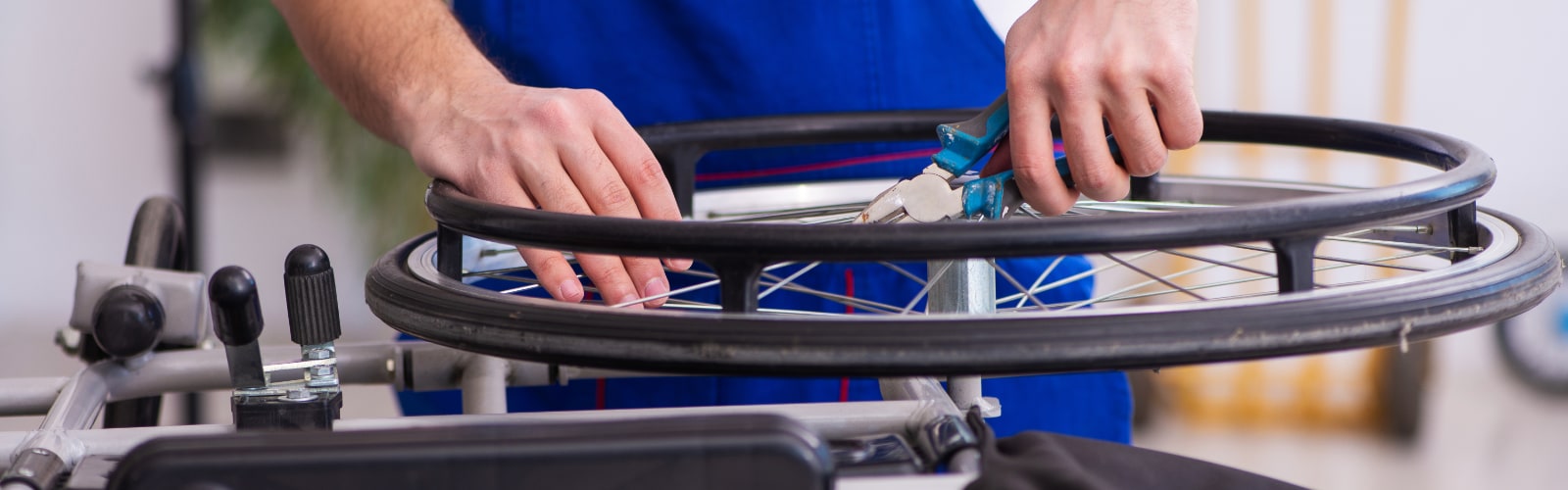
Dr. Rory Cooper, a leading wheelchair researcher and accessibility advocate, has said, “The wheelchair is not the disability.” This idea matters when evaluating rental services. A reliable provider should inspect brakes, footrests, tires, cushions, and battery condition before delivery. Ask whether the chair fits through your hotel door. Confirm the seat width, weight capacity, delivery area, and emergency support. Small details become very real at a crowded railway station.
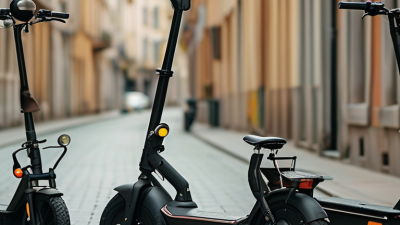
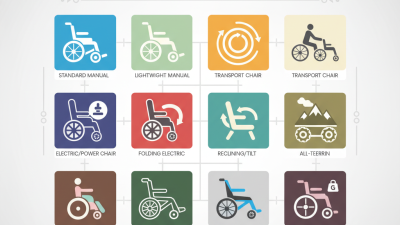
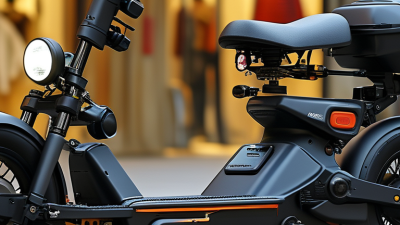
Common wheelchair rentals in China include standard manual chairs, transport chairs, reclining models, electric wheelchairs, and occasionally mobility scooters. Manual chairs are usually practical for short-term use and easier to place in a vehicle. Reclining chairs may help users who need posture support during longer periods. Electric models can be valuable for large attractions or extended sightseeing, although uneven sidewalks and limited charging points may cause problems.
Experience still matters. A rental listing can look professional, yet the delivered chair may feel poorly adjusted. I would not ignore that risk. Customers should request recent equipment photos, written pricing, deposit terms, and cleaning procedures. They should also test the wheelchair indoors before departure. The best choice is not always the newest model. It is the safest, most suitable chair, delivered by a provider that listens carefully.
What Are the Best Types of Wheelchair Rentals in China?
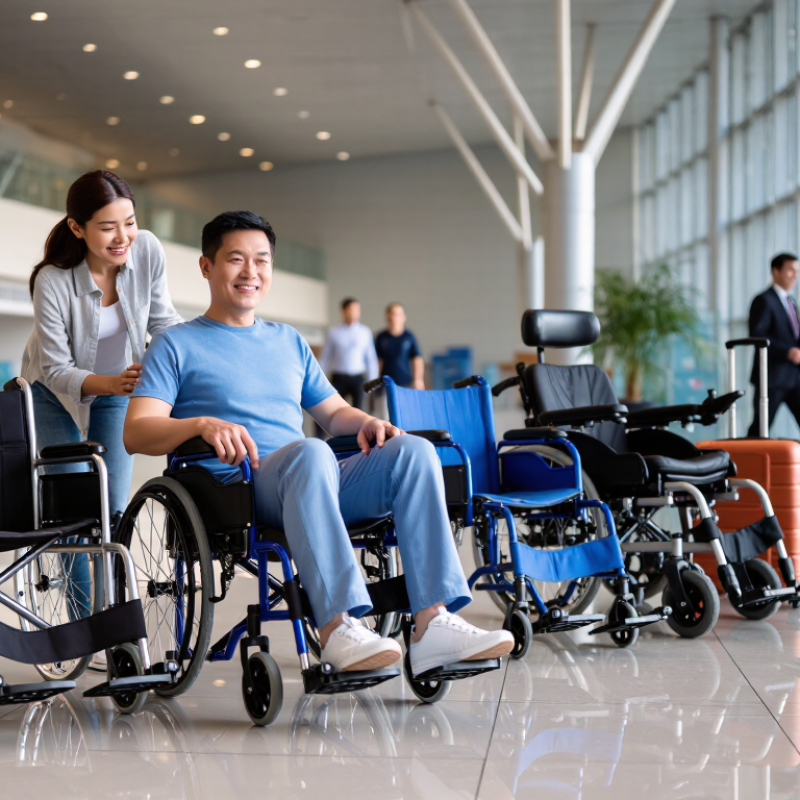
Wheelchair rental options available across China vary by city, mobility needs, and trip length. Manual wheelchairs suit indoor use, hotel stays, and short sightseeing routes. Lightweight folding models are easier to place in taxis or trains. Transport wheelchairs can help when a companion provides steady support. They usually have smaller wheels and work best on smooth surfaces.
Power wheelchairs offer more independence for longer outings. However, their weight, turning radius, and battery range require careful planning. Check lift access, charging arrangements, and storage space before booking. In some cities, shower or commode chairs may also be available through medical-equipment rental services. Availability can be less consistent outside major urban areas.
A reliable rental provider should confirm seat width, weight capacity, brake condition, footrests, and delivery timing. Ask for recent equipment photos. Request written details about deposits, cleaning, damage checks, and emergency support. In my experience, a ten-minute fitting test can prevent painful pressure points later. Streets near older attractions may include broken paving, steep ramps, or crowded entrances. Plan a backup route.
Not every online listing is current. That is worth remembering. Confirm the rental address and return process in advance, preferably with clear Chinese and English instructions. A local hotel, hospital service desk, or accessible-tourism specialist may help verify practical details before payment.
| Wheelchair Rental Type | Best Suited For | Typical Rental Period | Indicative Price Range | Deposit Usually Required | Delivery Availability | Important Features |
|---|---|---|---|---|---|---|
| Standard Manual Wheelchair | Short-term mobility support, hospital visits, sightseeing, and indoor use | Daily, weekly, or monthly | Approximately RMB 20–60 per day or RMB 300–800 per month | Often RMB 300–1,000, depending on condition and accessories | Common in major cities and near hospitals; local pickup is widely available | Foldable frame, footrests, push handles, and manual attendant operation |
| Lightweight Transport Wheelchair | Travel, airport transfers, hotel use, and occasional transport by a caregiver | One day to several weeks | Approximately RMB 30–80 per day or RMB 400–1,000 per month | Usually RMB 500–1,500 | Available in larger cities; advance reservation is recommended for travel dates | Lower weight, compact folding design, and smaller wheels; not intended for independent self-propulsion |
| Reclining Wheelchair | Users needing additional head, back, or leg support during longer periods of sitting | Several days to several months | Approximately RMB 50–120 per day or RMB 800–2,000 per month | Commonly RMB 1,000–3,000 | More limited than standard models; usually arranged through medical-equipment rental services | Adjustable backrest, elevating leg rests, head support, and increased seat padding |
| Electric Power Wheelchair | Users requiring powered mobility for daily activities or longer-distance movement | Weekly or monthly; short-term daily rental may be limited | Approximately RMB 100–300 per day or RMB 2,000–6,000 per month | Often RMB 3,000–10,000, depending on model and battery | Most accessible in major urban areas; delivery and collection may incur extra fees | Joystick control, rechargeable battery, adjustable speed, and higher weight than manual chairs |
| Electric Mobility Scooter | Outdoor travel, large venues, scenic areas, and users with moderate mobility limitations | Daily, weekly, or monthly | Approximately RMB 100–250 per day or RMB 2,000–5,000 per month | Usually RMB 2,000–8,000 | More common in tourist destinations and major cities than in smaller towns | Tiller steering, larger outdoor wheels, higher ground clearance, and variable battery range |
| Heavy-Duty or Bariatric Wheelchair | Users who need a wider seat or a higher maximum supported weight | Weekly or monthly | Approximately RMB 60–150 per day or RMB 1,000–3,000 per month | Commonly RMB 1,500–4,000 | Limited stock; advance fitting and delivery confirmation are advisable | Reinforced frame, wider seat options, stronger brakes, and higher load capacity |
| Sports or Active Wheelchair | Rehabilitation activities, adapted sports, and experienced users seeking improved maneuverability | Weekly or monthly | Approximately RMB 100–300 per day or RMB 2,000–6,000 per month | Often RMB 2,000–8,000 | Specialized availability is limited and usually concentrated in larger cities | Lightweight rigid frame, adjustable seating, improved balance, and sport-specific configuration |
Price ranges are indicative rental-market estimates in China and can vary by city, rental duration, equipment condition, delivery distance, accessories, battery type, and deposit policy. Confirm seat width, maximum user weight, battery range, delivery arrangements, and accessibility requirements before booking.