
In a world where mobility challenges affect many, choosing the right mobility chair is crucial. These chairs can significantly enhance independence and comfort for users. They provide vital support to individuals with limited mobility, offering freedom to move around and participate in daily activities.
The 2026 best mobility chair options are designed with various needs in mind. Some chairs are lightweight and portable, making them ideal for travel. Others focus on providing maximum comfort with ergonomic designs and plush seating. It is essential to consider the daily requirements of each user when selecting a chair.
However, not all mobility chairs are created equal. Some may lack features that promote ease of use. Users should prioritize their individual needs and seek advice from professionals. This reflection on personal needs will lead to a more informed decision, ultimately enhancing quality of life.

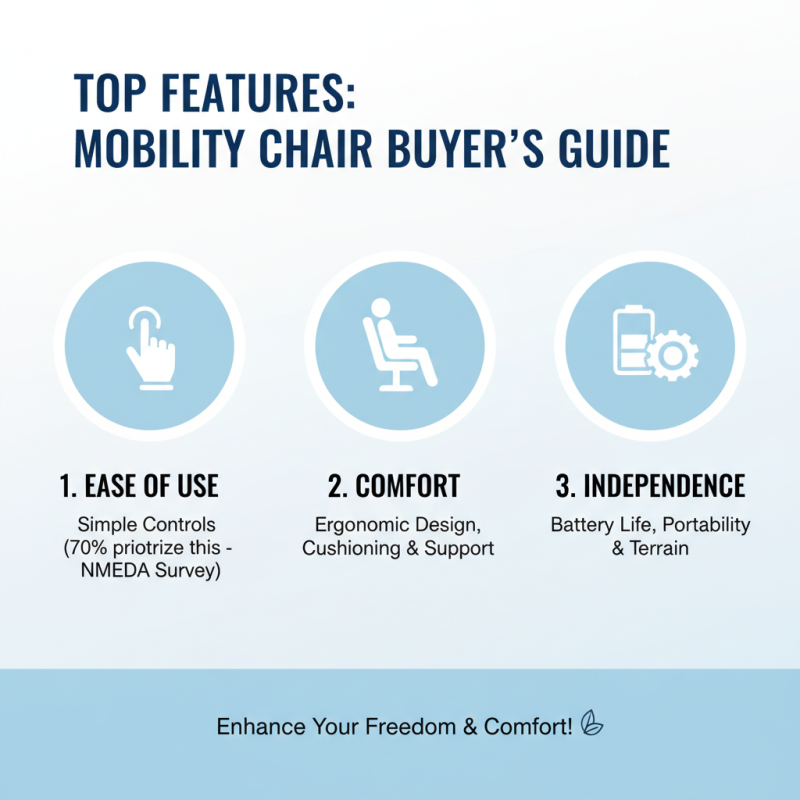
Choosing the right mobility chair can enhance independence and comfort. When selecting a chair, consider key features that meet individual needs. A recent survey by the National Mobility Equipment Dealers Association (NMEDA) found that over 70% of users prioritize ease of use. This highlights the importance of user-friendly controls.
Weight capacity is another important factor. Many mobility chairs have weight limits between 250 to 400 pounds. It's crucial to choose a chair that accommodates individual body types for safety and comfort. Furthermore, adjustable seat height enhances accessibility. A survey indicated that 65% of users found adjustable features improved their experience.
Durability impacts long-term satisfaction. Research shows that mobility chairs with robust frames generally last longer. Users often report frustration with models that wear out quickly. Comfort features, such as padded seats and back support, can significantly affect daily use. However, it's essential to balance comfort with functionality. Some chairs that are overly cushioned may lack necessary support. Always assess your unique requirements and preferences before making a decision.

When considering mobility chairs, it's essential to understand the differences between electric and manual options. Electric mobility chairs provide ease of use. They come with a battery-operated motor, which makes maneuvering effortless. These chairs are perfect for those who may have limited strength or stamina. On the other hand, manual chairs require physical effort to move. They are lightweight and often more affordable, making them a popular choice for many users.
Tips: When choosing a mobility chair, consider your daily activities. Assess how often you'll use the chair and for what purposes. Electric chairs are more suited for long distances, while manual chairs may be better for short trips or in tight spaces. Ensure you test the chair for comfort. A good fit can improve overall comfort and independence.
Think about accessibility features, too. Some electric chairs have advanced functions like adjustable seats and swivel capabilities. However, they can be heavy and require charging. Manual chairs, while more mobile, can strain the user over time. It's crucial to reflect on your lifestyle and preferences before making a decision. Comfort matters, but so does practicality.

| Type | Features | Weight Capacity | Battery Life | Price Range |
|---|---|---|---|---|
| Electric | Adjustable speed, reclining backrest, joystick control | 300 lbs | 12 hours | $1,500 - $3,000 |
| Manual | Lightweight, foldable, easy to transport | 250 lbs | N/A | $200 - $800 |
| Electric | Programmable settings, obstacle detection | 350 lbs | 10 hours | $2,000 - $4,500 |
| Manual | Standard design, fixed armrests, no power tools required | 300 lbs | N/A | $150 - $600 |
When evaluating mobility chairs, comfort and support are paramount. Research indicates that about 25% of individuals with mobility challenges prioritize comfort over other features. A well-designed mobility chair should provide excellent lumbar support, which can alleviate back pain often experienced by users. Ergonomics play a critical role, as these designs are meant to align with the body’s natural position. An optimal choice can improve daily life quality significantly.
Consider the materials used. High-density foam upholstery can enhance comfort, while breathable upholstery prevents overheating during prolonged use. Age, weight, and specific needs can affect how a mobility chair feels and supports its user. Each person's experience may differ, leading to the realization that what suits one may not work for another.
Tips: Test drive different models. A short trial at a local facility can reveal surprising preferences. Look for chairs with customizable features, as people often need to adjust settings. Engage in forums and discussions with users to gather insights. Their firsthand experiences can shine a light on valuable, realistic expectations.
Mobility chairs can significantly enhance independence for users. They offer the freedom to move without assistance, promoting confidence. With a variety of designs, these chairs cater to different needs. Users can navigate their homes and communities easily. This newfound mobility can lead to increased social interaction and improved mental well-being.
Comfort is another essential aspect of mobility chairs. Features like padded seats and adjustable armrests make a difference. Users report feeling less fatigued during their daily activities. However, not all mobility chairs are created equal. Some may lack adequate support or durability. It's vital to select one that aligns with personal needs and preferences. Testing different models before making a decision can help without pressure.
Many users also express the desire for more customization options. They want chairs that reflect their personalities and lifestyles. Incorporating personal touches can enhance the overall experience. Yet, accessibility remains a concern in many designs. While some chairs are easier to transport, others prove bulky. Reflecting on these aspects can lead to better choices. Choosing the right mobility chair is a journey, requiring patience and consideration.
Maintaining your mobility chair is crucial for its longevity and performance. Regular cleaning is a must. Dust and debris can accumulate, causing wear. Wipe down the chair weekly with a soft cloth. Pay special attention to the wheels and brakes. These parts can easily collect dirt. They need to function smoothly for safe usage.
Check the battery and charging system frequently. Depleted batteries can lead to unexpected failures. Keep the chair charged according to the manufacturer's guidelines. Replace batteries as needed to ensure reliability. Tires should be inspected for wear and proper inflation. This can significantly influence comfort and driving experience.
Don’t overlook adjustments. The chair's seating, armrests, and footrests may require tuning over time. An uncomfortable fit can lead to strain. Regular assessments can help identify when changes are necessary. Listen to your body. If something feels off, it's worth revisiting the settings. Small tweaks can make a big difference in comfort and usability.