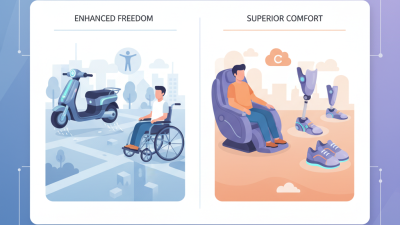

Choosing the right mobility equipment is crucial for many individuals. It can significantly impact their daily lives. As noted by Dr. Emily Roberts, a leading expert in mobility solutions, "Selecting suitable mobility equipment can enhance independence and quality of life." Understanding one’s unique needs is essential before making a decision.
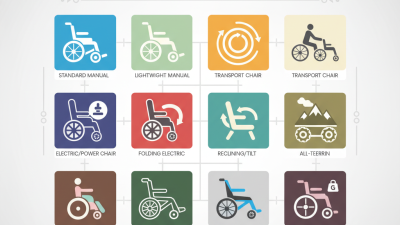
Mobility equipment comes in various forms, including wheelchairs, walkers, and scooters. Each type serves different purposes. Personal comfort and ease of use are vital factors to consider. It’s not just about functionality; it’s about finding a solution that fits seamlessly into life. Choosing the wrong type can lead to frustration and decreased mobility.
Exploring options requires careful thought. Seeking advice from professionals can guide you. However, there are so many choices that it might feel overwhelming. Reflecting on your lifestyle can help clarify what you truly need. It’s not just about picking a product; it's about choosing a pathway to greater freedom.
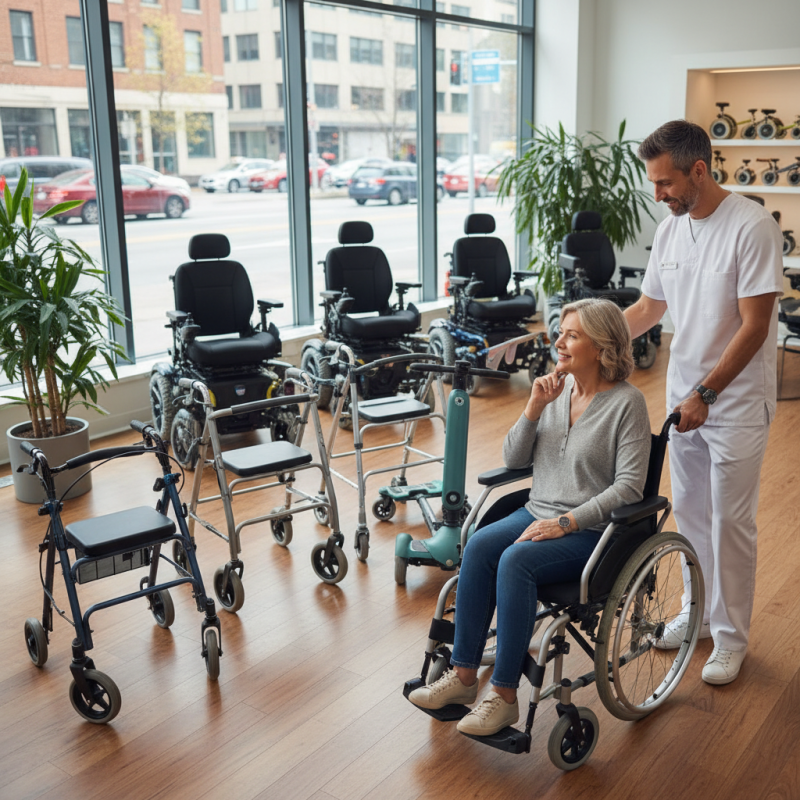
Mobility equipment comes in various forms, and understanding your options is key. Wheelchairs, scooters, and walkers cater to different needs. According to a recent industry report, approximately 4.5 million people in the U.S. use a wheelchair. This statistic showcases the demand for such devices, highlighting the importance of individual preference and comfort.
Electric scooters are especially popular among those seeking independence. These scooters provide mobility for distance travel. A survey indicated that 65% of users feel more active when using a scooter. This confidence boost is crucial for mental health. However, some may find scooters difficult to maneuver in tight spaces. Assessing your environment is essential before making a choice.
Walkers and rollators serve those needing support without being confined. They offer stability while fostering mobility. Yet, many users admit that moving from a seated to a standing position can be challenging. This feedback emphasizes the need for careful consideration before purchase. Weighing the benefits and difficulties of each type ensures you select the right equipment for your unique lifestyle.

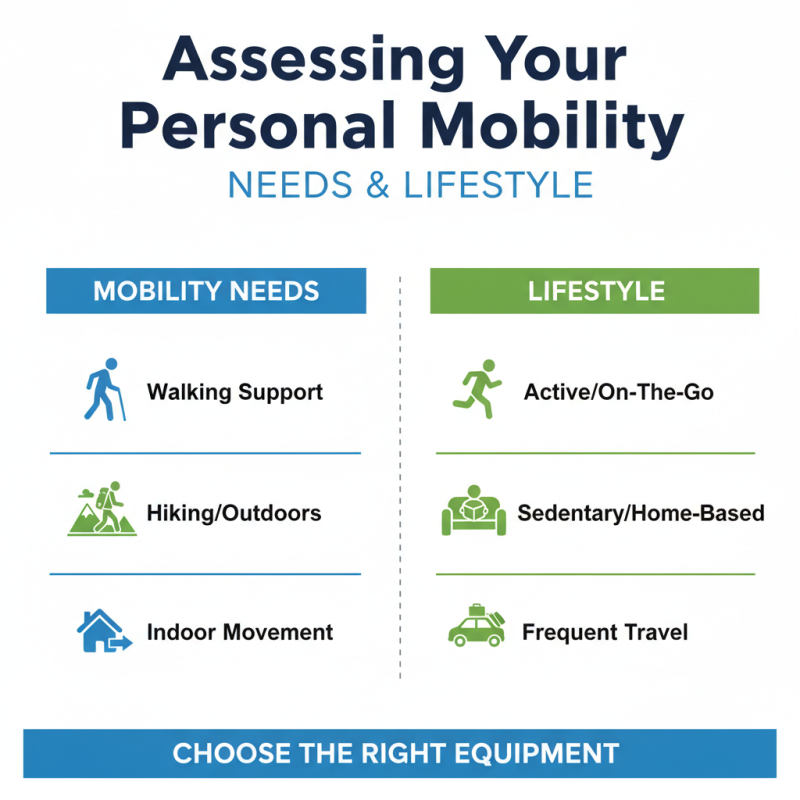
Assessing your personal mobility needs is essential for choosing the right equipment. Start by evaluating not just your physical condition, but also your daily activities. Do you need support for walking, hiking, or just moving around your home? Think about your lifestyle. Are you active or more sedentary? Are you often on the go?
Consider your living environment too. Is your home easily navigable? Do you have stairs or tight spaces? The right mobility aid should fit seamlessly into your life. For instance, a lightweight walker might work well in a compact living area, while a sturdier scooter could be better if you travel frequently.
**Tip:** Test various equipment before deciding. This helps gauge comfort and functionality.
Pay attention to specific features that could enhance usability. Adjustable heights, portability factors, and ergonomic designs are worth considering. Reflect on how each option meets your unique needs. It's okay to feel unsure about the best choice. This process can lead to unexpected insights.
**Tip:** Consult with healthcare professionals for personalized advice. Their experience can guide you to the best mobility solutions.
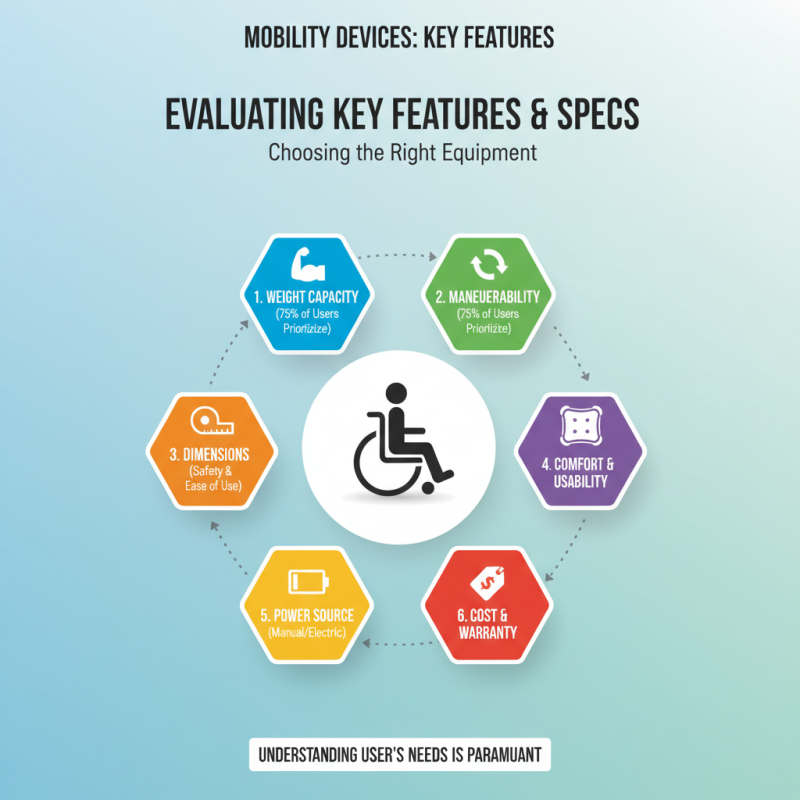
Choosing the right mobility equipment involves careful evaluation of key features and specifications. Understanding the user’s needs is paramount. Mobility devices come with various specifications that can make a substantial difference in comfort and usability. Research shows that about 75% of users prioritize weight capacity and maneuverability in their devices. The right dimensions ensure safety and ease of use.
Consider the terrain where the device will be used. A report from the National Mobility Equipment Dealers Association highlights that 65% of users experience difficulties on uneven surfaces. Features like larger wheels and sturdy frames can enhance stability. Additionally, look for adjustable settings to accommodate different user heights. Approximately 40% of mobility equipment users reported discomfort due to poorly fitted devices.
Battery life and maintenance also play critical roles. Devices with longer battery life are favored, especially for outdoor use. Industry survey data indicate that 55% of mobility device users prefer options that require minimal maintenance. However, potential buyers should be cautious about hidden costs related to upkeep. Always request clarity on warranty terms and potential repair services.
Choosing the right mobility equipment is a critical decision that can significantly impact one's quality of life. When evaluating your options, consulting healthcare professionals is essential. Experts can provide personalized recommendations based on your specific needs and health conditions. According to a report by the World Health Organization, around 15% of the global population lives with some form of disability. Tailored advice can help you select equipment that enhances mobility and ensures safety.
Healthcare professionals consider many factors, including physical abilities and daily activities. They may suggest devices such as wheelchairs, walkers, or canes tailored to individual needs. A study published in the Journal of Rehabilitation Research indicated that users who sought professional guidance reported higher satisfaction rates. This reinforces the value of expert insight in making informed choices.
It’s important to reflect on the accessibility of mobility equipment. Not all solutions are a one-size-fits-all. In some cases, available options may not fully meet unique requirements. Engaging with professionals may reveal alternatives you had not considered. Ultimately, investing time in seeking expert opinions can lead to more effective mobility solutions that improve daily living.
| Equipment Type | Purpose | Key Features | Recommended For | Consultation Needed |
|---|---|---|---|---|
| Wheelchair | Provide mobility for those unable to walk | Manual or electric, adjustable seating | Individuals with limited mobility | Yes |
| Walker | Assist individuals in maintaining balance while walking | Foldable, height adjustable | Elderly or post-surgery patients | No |
| Scooter | Provide easy mobility for individuals | Three or four wheels, comfortable seat | Individuals with more extensive mobility needs | Yes |
| Canes | Assist with balance during walking | Lightweight, adjustable lengths | Individuals needing minimal support | No |
| Stairlift | Provide mobility between different floors | Electric, customizable tracks | Individuals with stairs in their home | Yes |
When considering mobility equipment, budgeting is crucial. According to the National Center for Health Statistics, about 6.2 million Americans use mobility devices. The costs for such equipment can vary widely. Basic mobility aids like wheelchairs can range from $150 to over $1,500. Powered scooters often start at around $1,000 and can exceed $6,000, depending on features.
Financing options for mobility equipment are available, making it more accessible. Medicare and Medicaid provide assistance for eligible individuals. However, coverage can differ significantly. Up to 80% of costs may be covered for durable medical equipment. Yet, it's essential to understand the criteria on eligibility and limitations in each state.
Many users find themselves unprepared for hidden costs. Maintenance and repairs for mobility devices add to the total. It's common to overlook these expenses when budgeting. Some people might consider used equipment to save money, but quality and safety must be prioritized. Research supports that purchasing used mobility aids can reduce initial costs, yet due diligence is necessary to ensure reliability. Always seek professional guidance when making these decisions.