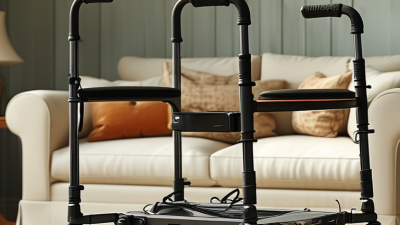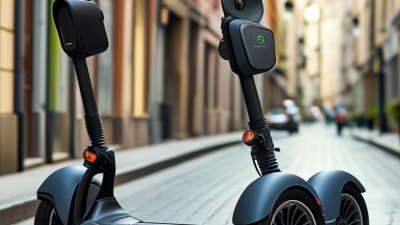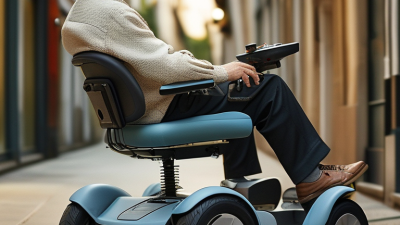

Choosing among the 2026 best heavy duty mobility scooters requires more than comparing weight limits. Global buyers need dependable performance, practical comfort, and service support after purchase. A reinforced frame may look impressive, but ground clearance, suspension travel, turning space, and brake response matter on real roads. Think of wet pavements, uneven ramps, narrow elevators, and long airport corridors.
Dr. Rory Cooper, a leading rehabilitation engineer and mobility researcher, has said, “The goal of rehabilitation engineering is to maximize independence and quality of life.” This principle guides our review of heavy duty mobility scooters. A strong model should support daily independence without becoming unnecessarily difficult to transport or maintain. Seat width, tiller adjustment, battery accessibility, and control clarity deserve close attention. Small details matter.
Real-world range is often lower than laboratory claims. Weather, rider weight, slopes, tire pressure, and cargo can reduce battery distance. We will examine these limitations carefully, not hide them behind polished specifications. Some models may offer excellent power but poor portability. Others feel comfortable indoors yet struggle on rough ground. None is perfect.
This guide compares leading options for international users, including capacity, terrain suitability, charging systems, safety equipment, warranty coverage, and local repair access. Buyers should also verify regional road-use rules and electrical compatibility before ordering. A scooter is not merely a machine. It is part of a person’s everyday freedom, and reliability should come before impressive marketing.
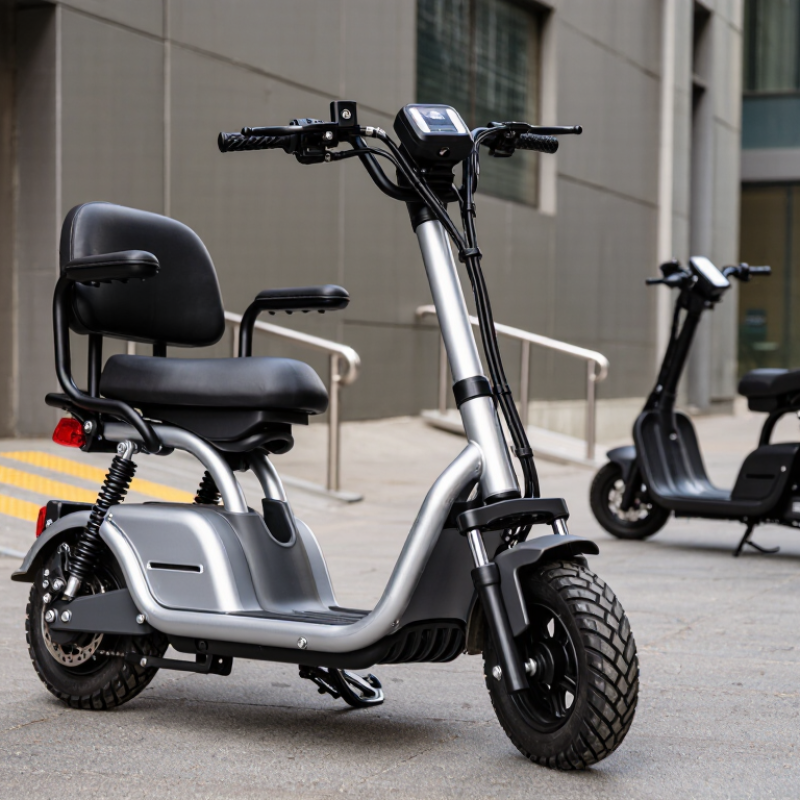
What defines a heavy-duty mobility scooter in 2026? There is no single global legal definition. Buyers should examine capacity, stability, braking, range, and transport safety together. A serious model often supports 136 to 227 kilograms, including the rider and carried items. That range matters for bariatric users, outdoor travel, and uneven public paths.
The frame should feel steady when turning slowly. Wide pneumatic or solid tires can improve control on broken pavement. Dual rear suspension may reduce vibration near curbs, but it can also add weight. Look for tested ground clearance, turning radius, maximum slope, and stopping distance. ISO 7176-4 provides a method for measuring wheelchair energy consumption and theoretical distance. ISO 7176-19 addresses wheelchair seating during motor-vehicle transport. These standards do not make every scooter suitable for every vehicle.
Demand is becoming more practical, not merely larger. The World Health Organization’s Global Report on Health Equity for Persons with Disabilities estimates that 1.3 billion people experience significant disability worldwide. The UN World Social Report 2023 records 761 million people aged 65 or older in 2021, with the number projected to reach 1.6 billion by 2050. This supports stronger mobility needs, but it does not justify trusting headline range figures. Cold weather, hills, tire pressure, and rider weight reduce real distance. Testing on a familiar route is wiser. A heavier battery is not always the better answer.
What Defines a Heavy-Duty Mobility Scooter in 2026
Heavy-duty mobility scooters for global buyers should be compared through measurable specifications, not attractive photographs. The WHO and UNICEF Global Report on Assistive Technology estimates that more than 2.5 billion people need assistive products worldwide. That figure may exceed 3.5 billion by 2050. Weight capacity matters, but it is only one part of the decision.
Check the rated payload, seat width, frame weight, ground clearance, turning radius, and suspension design. A 150-kilogram capacity may suit heavier users, luggage, and uneven pavements. However, real performance can fall on slopes, soft ground, or cold weather. Look for test information aligned with ISO 7176 standards. Battery capacity should be stated in watt-hours, not only “long range.” Charging voltage, removable battery design, and regional plug compatibility also affect daily use.
Weather resistance deserves careful attention. An IP rating can indicate protection against dust and water, but it does not guarantee safe operation in heavy rain. The United Nations World Social Report 2023 projects that the global population aged 65 and above will reach 1.6 billion by 2050. This increases demand for stable, serviceable mobility equipment. In practice, compare spare-part access, warranty response times, and local technician coverage. These details are easy to overlook. I would also question optimistic range claims, because rider weight, temperature, terrain, and tire pressure can change results significantly.
| Specification | Model A Heavy-Duty Road |
Model B Long-Range Touring |
Model C All-Terrain |
Model D Compact Heavy-Duty |
|---|---|---|---|---|
| Maximum user weight capacity | 204 kg / 450 lb | 227 kg / 500 lb | 272 kg / 600 lb | 181 kg / 400 lb |
| Maximum speed | 15 km/h / 9.3 mph | 15 km/h / 9.3 mph | 13 km/h / 8.1 mph | 12 km/h / 7.5 mph |
| Advertised maximum range | 45 km / 28 mi | 64 km / 40 mi | 48 km / 30 mi | 40 km / 25 mi |
| Battery configuration | 2 × 12 V, 50 Ah sealed lead-acid | 2 × 12 V, 75 Ah sealed lead-acid | 2 × 12 V, 75 Ah sealed lead-acid | 2 × 12 V, 50 Ah sealed lead-acid |
| Motor rating | 700 W transaxle motor | 800 W transaxle motor | 1,000 W transaxle motor | 650 W transaxle motor |
| Typical charging time | 8–10 hours | 10–12 hours | 10–12 hours | 8–10 hours |
| Maximum recommended gradient | 10° / 17.6% | 9° / 15.8% | 10° / 17.6% | 8° / 14.1% |
| Ground clearance | 140 mm / 5.5 in | 150 mm / 5.9 in | 180 mm / 7.1 in | 125 mm / 4.9 in |
| Turning radius | 1.65 m / 5.4 ft | 1.80 m / 5.9 ft | 1.90 m / 6.2 ft | 1.55 m / 5.1 ft |
| Overall dimensions (L × W × H) | 160 × 78 × 145 cm | 170 × 82 × 148 cm | 175 × 86 × 150 cm | 150 × 75 × 140 cm |
| Approximate total weight with batteries | 145 kg / 320 lb | 165 kg / 364 lb | 185 kg / 408 lb | 132 kg / 291 lb |
| Tire type | Solid, non-marking pneumatic-style tires | Pneumatic tires | Pneumatic off-road tires | Solid, non-marking tires |
| Suspension | Front and rear suspension | Independent front and rear suspension | Heavy-duty front and rear suspension | Front suspension |
| Braking system | Electromagnetic automatic braking | Electromagnetic automatic braking | Electromagnetic automatic braking | Electromagnetic automatic braking |
| Lighting and visibility | LED headlight, rear lights, indicators | LED headlight, rear lights, indicators, hazard lights | LED headlight, rear lights, indicators, hazard lights | LED headlight and rear reflectors |
| Charger input compatibility | 100–240 V AC, 50/60 Hz charger | 100–240 V AC, 50/60 Hz charger | 100–240 V AC, 50/60 Hz charger | 100–240 V AC, 50/60 Hz charger |
| Suitable primary use | Paved roads, shopping areas, residential routes | Long-distance paved routes and community travel | Uneven paths, parks, gravel, and outdoor terrain | Urban travel where storage space is limited |
| Key buying consideration | Balanced capacity and road performance | Largest battery capacity and extended range | Highest clearance and strongest outdoor capability | Lower overall size and easier maneuverability |
Heavy-duty mobility scooters are built for larger users, longer journeys, and demanding outdoor surfaces. Their best use depends on body support, terrain, and storage needs.
Bariatric scooters suit users needing wider seats, reinforced frames, and higher weight capacities. Look for adjustable armrests, stable suspension, and a seat that supports easy transfers. A capacity rating should exceed the user’s weight, luggage, and daily equipment. More capacity does not always mean better comfort. Some models feel bulky indoors.
Four-wheel heavy-duty scooters offer stronger stability on uneven paths, gravel, and gentle slopes. They work well for parks, rural properties, and shopping areas with wide entrances. Their turning radius can be large. Measure doorways before ordering. Three-wheel versions turn more tightly and suit spacious homes, malls, and smooth pavements. They demand more care on steep side slopes.
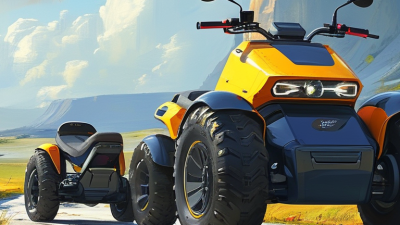
All-terrain scooters typically use larger pneumatic or solid tires, stronger suspension, and higher ground clearance. They are useful on compact soil, wet grass, and broken sidewalks. They are not designed for every beach, forest trail, or severe incline. A claimed travel range also needs caution. Cold weather, rider weight, tire pressure, and hills can reduce it noticeably.
For international buyers check charging compatibility, replacement battery access, seat dimensions, and service support before purchase. Confirm local transport and road-use requirements. I would also test the braking response and turning space, because online specifications rarely show real handling.
For global buyers, a heavy-duty mobility scooter should balance stability, comfort, maintenance, and transport. The World Health Organization reports that 1.3 billion people experience significant disability worldwide. That demand makes practical design more important than impressive specifications.
A suitable scooter needs a verified weight capacity, wide tires, strong brakes, and predictable steering. Extra capacity should include luggage, not only the rider. Seat width and suspension matter during long journeys. Poor posture can turn a short trip into a painful one. The WHO reports about 684,000 fatal falls annually, with adults over 60 facing the greatest risk. Anti-tip wheels, lights, mirrors, and speed control deserve careful inspection.
Tips: Test the scooter on ramps, uneven pavement, and tight corners. Check whether the seat, battery, and tiller can be removed without tools. Record the scooter’s width and turning radius before purchasing a vehicle lift. Transport rules vary, especially for lithium batteries, so confirm carrier requirements before travel. Maintenance usually includes tire pressure, brake checks, battery charging, and connector inspection. ISO 7176 performance standards offer useful testing references, but certification alone cannot predict every real-world condition. I would not trust a scooter that feels unstable, even if its advertised range looks excellent.
Choosing a heavy duty mobility scooter begins with the buyer’s real environment, not its advertised top speed. Measure doorways, elevator entrances, ramps, and storage spaces. A scooter with wide tires may handle gravel well, yet struggle inside a narrow apartment. Turning radius matters more than many buyers expect.
Check the verified user weight limit, seat width, suspension, ground clearance, and braking system. Leave safety margin above the rider’s weight, especially when carrying bags. Battery range should cover the planned journey with reserve for hills, cold weather, and ageing cells.
Test the controls while wearing everyday gloves. Small buttons can become frustrating.
Global buyers should confirm charging voltage, plug compatibility, battery transport rules, warranty coverage, and local service access before payment. Ask for written specifications and independent safety documentation. A local mobility specialist or occupational therapist can assess posture, transfers, and road conditions. Do not rely only on online photographs. A large seat may look comfortable but provide poor support. A powerful motor may also increase weight and loading difficulty. Reconsidering the first choice is sensible when the scooter cannot be serviced nearby.