
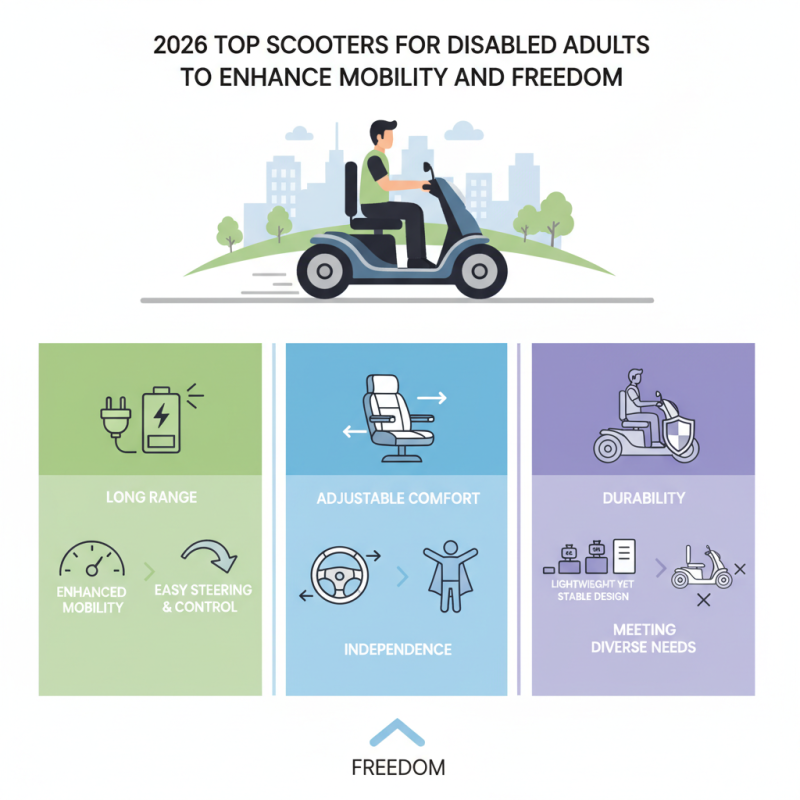
Enhancing mobility is vital for disabled adults seeking independence. Scooters for disabled adults provide a practical solution for their transportation needs. With various options available, finding the right scooter can greatly impact daily life.
These mobility devices are designed to accommodate different lifestyles. Features like adjustable seats and easy steering enhance comfort and control. Brands have increasingly focused on creating scooters that are both stylish and functional.
While there are many scooters in the market, not all meet the diverse requirements of users. Some lack essential features like sufficient battery life or durability. Additionally, the preference for lightweight models can compromise stability. Evaluating these factors is crucial for a successful choice.
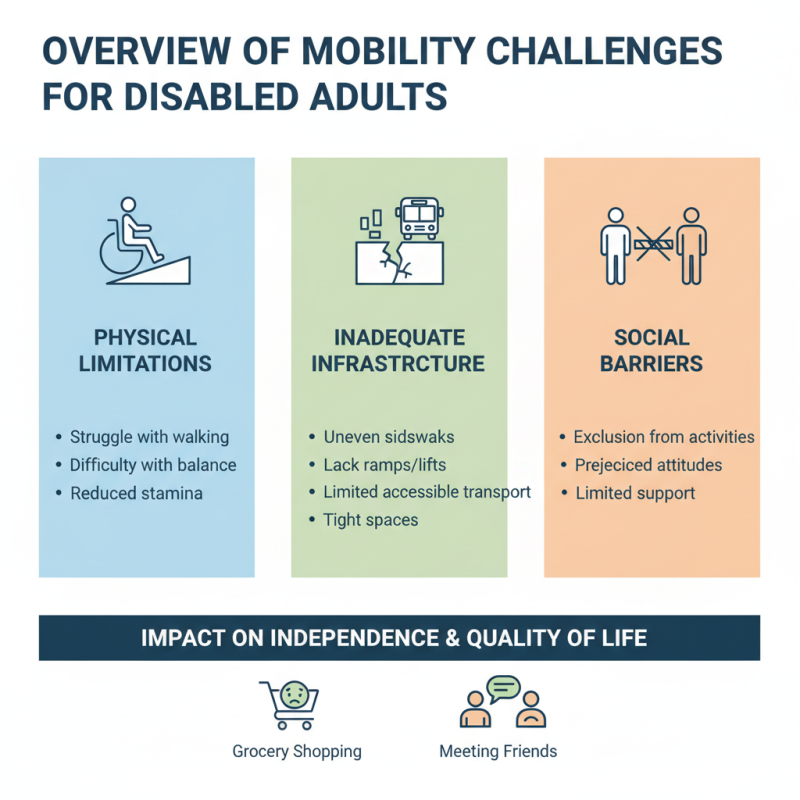
Mobility challenges for disabled adults often stem from physical limitations, inadequate public infrastructure, and social barriers. Everyday tasks, like grocery shopping or meeting friends, can become overwhelming. Some may struggle with uneven sidewalks or tight spaces. This affects their independence and quality of life.
Accessibility is not just about devices. It also involves empathy and understanding from those around. Too often, disabled adults face judgment or indifference. Are there enough ramps? Are public spaces truly accommodating? These concerns need addressing. Mobility aids, like scooters, provide solutions but cannot fix every issue. Focused attention on community and accessibility is vital.
While scooters enhance independence, they come with challenges. Not all users find them easy to operate. Some might require practice. Maintenance can also be a headache for users. Battery life, weight, and storage are other considerations. How can we improve this experience? We must ask, listen, and adapt.
When choosing scooters for disabled adults, key features significantly impact mobility. A comfortable seat with adjustable height is essential. It allows users to find their perfect position for longer journeys. Cushioned seats also reduce discomfort, making rides enjoyable. Additionally, consider a scooter with a sturdy frame. A solid build ensures safety on uneven surfaces.
Battery life is crucial too. Look for models with a longer range, especially for outdoor use. Users can venture further without worrying about recharging. Weight capacity matters. Some scooters accommodate heavier users better than others. This feature can limit options, highlighting the importance of careful selection.
Maneuverability is another vital component. Smaller turning radiuses enhance navigation in tight spaces. It's important to consider the scooter's dimensions for easy transport. Some models fold, but not all provide convenience. These small details can significantly impact daily life. A scooter should enhance freedom, not complicate it.
| Scooter Model | Weight Capacity (lbs) | Range (miles) | Maximum Speed (mph) | Turning Radius (ft) | Key Features |
|---|---|---|---|---|---|
| Model A | 400 | 15 | 5 | 53 | Lightweight, Compact Design, Adjustable Seat |
| Model B | 450 | 18 | 6 | 60 | Padded Armrests, LED Lights, Large Storage Basket |
| Model C | 300 | 12 | 5 | 45 | Compact Folding, Easy Maneuverability, Cost-effective |
| Model D | 500 | 20 | 7 | 62 | Powerful Motor, All-terrain Capability, Comfortable Seating |
In 2026, the landscape of mobility scooters for disabled adults has significantly evolved. These scooters enhance freedom and independence. Many feature lightweight designs, making them easy to maneuver. Larger wheels provide better stability on uneven surfaces. Comfort sits at the core, with cushioned seats and adjustable armrests.
Several models stand out for their impressive range. Some scooters can travel over 20 miles on a single charge, ideal for longer outings. Smart technology is becoming more common. Some have built-in GPS and smartphone connectivity. This makes navigation much simpler. However, not all users find these features useful.
A few scooters come with portable designs, folding to fit in tight spaces. Yet, these compact options may lack power or speed. Users often express frustration over finding the right balance between size and functionality. Each individual's needs vary, and sometimes what looks perfect on paper may not work in real life. Thoughts and experiences from users are valuable. They help refine the search for the ideal scooter for enhanced mobility.
In 2026, many scooters are designed to enhance mobility for disabled adults. A comparative analysis of these models reveals important factors. Price varies widely, from budget-friendly options to high-end models. Most scooters range between $1,500 to $5,000. You can find affordable choices that don’t skimp on quality.
Features play a crucial role in decision-making. Some scooters offer added comfort like cushioned seats and adjustable handlebars. Others shine with advanced technology, such as built-in GPS and Bluetooth connectivity. These features increase independence and safety for users. Versatility is essential too. Many scooters can accommodate both indoor and outdoor settings. Some are compact and easy to store, while others have more powerful motors for rough terrain.
However, potential buyers should also consider drawbacks. Some scooters may not have sufficient battery life for longer trips. Others might struggle with steep inclines. It's essential to test different models to find the right fit. Personal comfort and stability are key. Paying attention to these details can ensure a suitable choice for enhancing mobility and freedom.
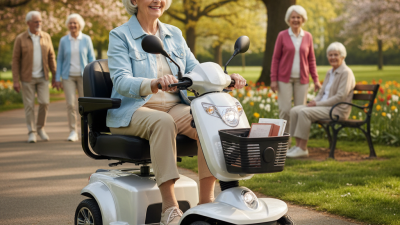
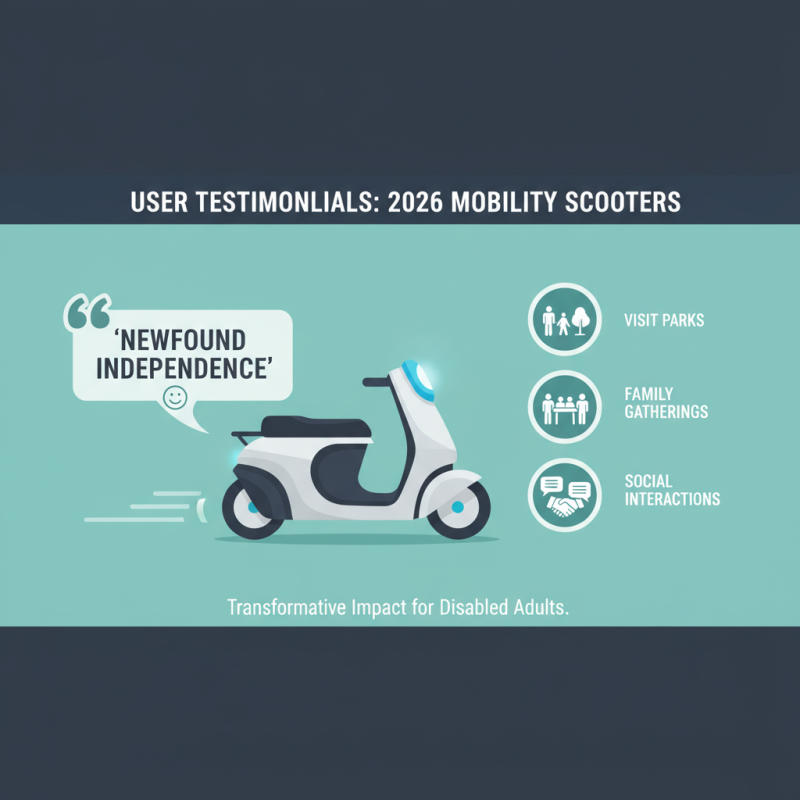
User testimonials highlight the transformative impact of mobility scooters for disabled adults in 2026. Many users share their experiences of newfound independence. One user described how a scooter allowed them to visit parks and attend family gatherings. It opened doors to social interactions that were once difficult.
Another individual recalled a challenging moment when their scooter malfunctioned during an outing. It served as a reminder of the importance of maintenance and reliability. Despite this setback, the overall joy of mobility remains a significant aspect of their life. Users often reflect on how the right scooter can enhance daily activities.
Real-life experiences also reveal some challenges faced by users. Navigating crowded spaces sometimes proves difficult. Some scooters struggle on uneven terrain. Yet, the ability to travel freely outweighs these hurdles. Users continue to seek improvements in design and functionality to better serve their needs.