
The mobility equipment industry is evolving rapidly. As we approach 2026, new trends emerge that shape the future of mobility. Experts like Dr. Emily Carter emphasize the importance of innovation, stating, "The future of mobility equipment lies in embracing accessibility and technology together."
Mobility equipment is more than just tools; it represents freedom for many individuals. Innovations can improve lives by offering enhanced independence. However, not all trends are beneficial. Some developments may overlook user needs or accessibility. Gap exists between technology advancements and real-world applications.
As we explore upcoming mobility equipment trends, let's reflect critically on their implications. Will they truly make life easier for users? Or will they prioritize profit over people? Understanding this balance is essential for creating a more inclusive mobility landscape.
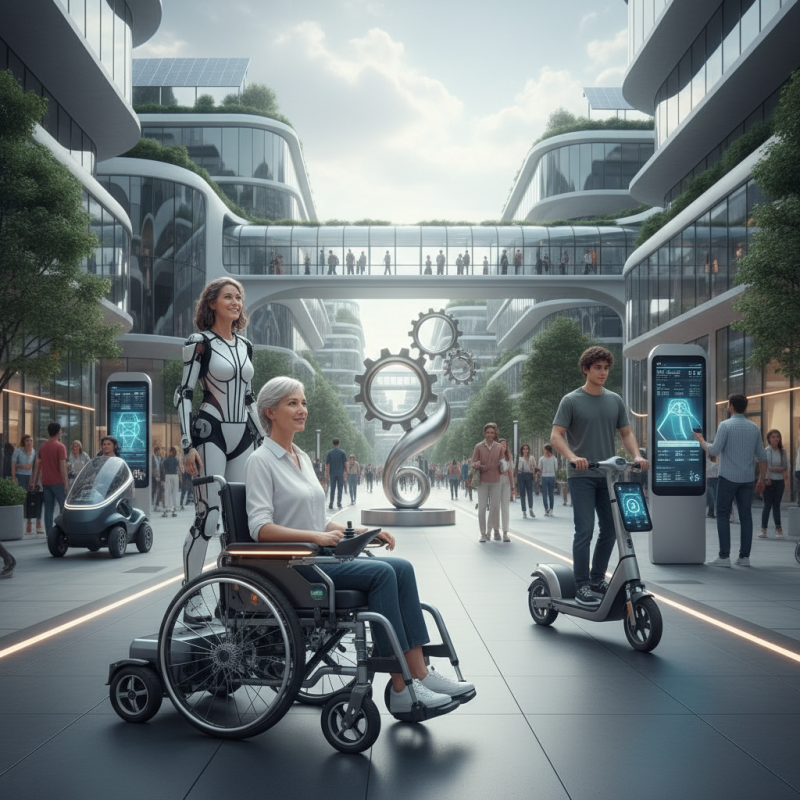
The mobility equipment market is rapidly evolving. In 2026, it is projected to reach a value of $30 billion. This growth reflects a rising demand for accessible healthcare. With the aging population, more people require mobility solutions.
Key segments include wheelchairs, scooters, and adaptive devices. Wheelchair sales alone are expected to increase by 5% annually. These trends indicate a broader shift toward inclusivity in mobility. The focus on design and user-friendliness cannot be ignored. However, not all products effectively meet diverse user needs.
Moreover, technology plays a crucial role in reshaping this market. Smart wheelchairs and connected mobility aids are gaining traction. Their integration with healthcare systems enhances patient care. Yet, there’s a gap in awareness. Many potential users remain uninformed about these innovations. Continued education and advocacy are essential to bridge this divide.

As we look towards 2026, mobility equipment is set to undergo significant transformations. Emerging technologies are shaping the future of transportation. Electric and autonomous vehicles are at the forefront of this revolution. These innovations aim to increase accessibility and efficiency. However, there are challenges to address. Integration with existing infrastructure remains a concern. Not everyone trusts automation, and public sentiment varies.
Additionally, the development of lightweight materials will improve device portability. Imagine wheelchairs and scooters that are both durable and easy to transport. Augmented reality could play a role, offering real-time navigation aids. Users may find themselves in more control than ever before. Yet, this technology must be user-friendly to be effective. Accessibility for all should remain a priority.
Thoughts about personal data privacy linger. With smart devices tracking user behavior, ethical considerations arise. Are users ready for this shift? Not everyone is onboard. There's room for reflection. Will these advancements truly serve society’s needs? Or will they create new barriers? Engaging in discussions around these questions will shape the landscape of mobility equipment in the years to come.
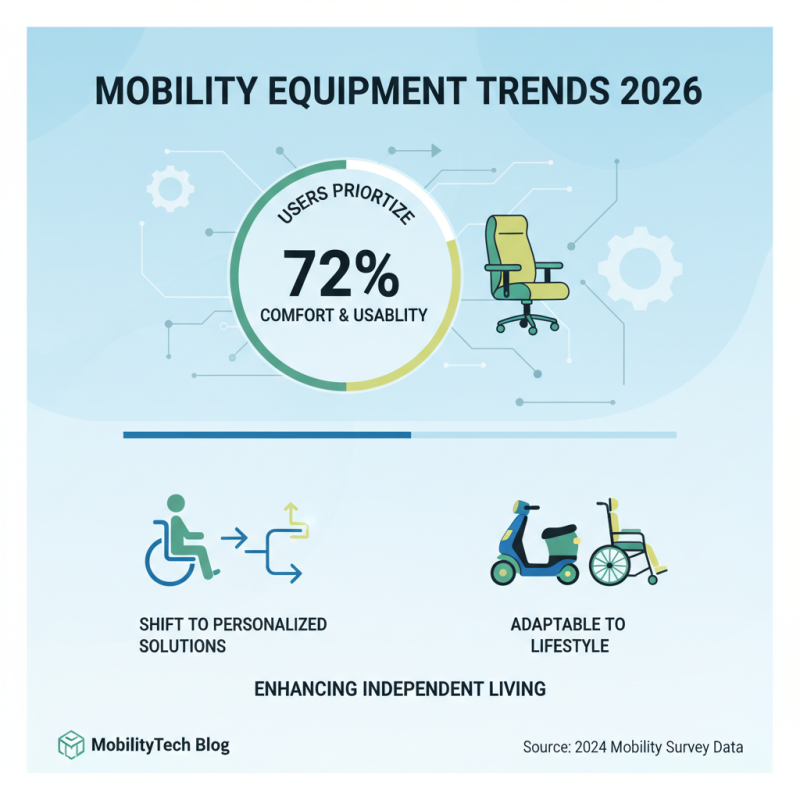
As we look towards 2026, consumer preferences are profoundly shaping mobility equipment trends. Surveys suggest that 72% of users prioritize comfort and usability in their mobility devices. This shift reflects a growing demand for personalized solutions that enhance independent living. For instance, users prefer equipment that easily adapts to their lifestyle, whether it’s a scooter or wheelchair.
The data from industry reports highlights the importance of technology integration in mobility devices. Approximately 68% of consumers express a strong interest in smart features, like GPS navigation and health monitoring. This suggests a desire for products that go beyond basic functionality. However, while the adoption of smart tech is promising, some users who are less tech-savvy may struggle to navigate these features.
Accessibility remains a key concern. It’s noted that 55% of mobility equipment users expect improvements in design to aid ease of use. Many current products still fall short in this area, leading to frustration. Users deserve devices that do not just look good but also serve their needs effectively. Addressing these gaps is crucial as we move toward 2026 and beyond.
The aging population is reshaping the demand for mobility equipment. By 2026, a significant increase in older adults will drive innovation. Many seniors face mobility challenges. This trend highlights the need for better solutions.
As people age, common mobility issues arise, such as arthritis and balance problems. Customizable mobility aids will become popular. Options should cater to personal needs, ensuring comfort and ease of use. Equipment designed for stability, like walkers with wider bases, will gain traction.
Despite advancements, gaps remain in accessibility. Not all gear suits every individual's needs. Some designs still lack user-friendly features. Manufacturers must focus on feedback from users to refine products. This back-and-forth dialogue is crucial for real improvement in mobility solutions. Each innovation should not only aim for functionality but also enrich the user's life experience.
In 2026, mobility equipment is expected to see significant innovations focused on sustainability. Eco-friendly materials will play a crucial role. Think of biodegradable plastics and recycled metals transforming scooters and wheelchairs. These materials reduce waste and carbon footprints, aligning with global sustainability goals.
Renewable energy sources are becoming more prevalent in mobility devices. Solar panels on electric scooters can help users travel further without relying on traditional fuels. This kind of advancement needs thoughtful design. Why not provide a way for users to charge their devices through kinetic energy? It could be a game-changer.
Usability also presents its own set of challenges. Designing equipment that is both eco-friendly and user-friendly can be tough. There’s a fine line between innovation and practicality. The journey towards greener mobility equipment is ongoing. The push for sustainability must balance effectiveness and real user needs. Each step transforms our environment, yet reflection is needed to ensure true inclusivity in mobility solutions.
| Trend | Description | Sustainability Impact | Innovation Type |
|---|---|---|---|
| Electric Power Assist | Harnessing electric power to aid mobility devices, reducing physical strain and improving accessibility. | Lower carbon footprint due to reduced reliance on manual power. | Technological Innovation |
| Recyclable Materials | Use of 100% recyclable materials in the production of mobility equipment. | Significantly reduces waste and resource consumption. | Sustainable Practices |
| Smart Mobility Solutions | Integration of AI and IoT for real-time data on mobility aids usage. | Optimizes device usage and encourages eco-friendly traveling. | Technological Innovation |
| Lightweight Designs | Advancements in materials science lead to lighter mobility equipment. | Reduces energy required for transportation. | Material Innovation |
| Solar-Powered Devices | Incorporating solar cells into mobility devices for self-charging capabilities. | Utilizes renewable energy source and decreases dependency on traditional charging. | Sustainable Practices |