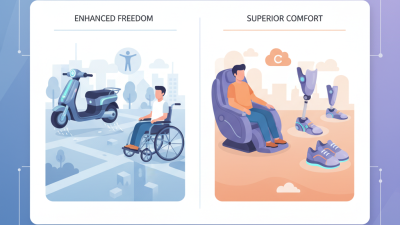

Choosing the right mobility chair can significantly enhance comfort and independence. Mobility chairs offer various features tailored to individual needs. It's essential to explore options that fit your lifestyle.
Many mobility chairs come with adjustable seating and ergonomic designs. These features can help alleviate discomfort during use. Consider factors like weight capacity and battery life when selecting one. Not all chairs meet everyone's needs.
Sometimes, users may struggle to find the perfect fit. It's important to reflect on the features that matter most to you. A comfortable mobility chair not only aids mobility but also boosts confidence. Remember, the right choice can lead to a more active and fulfilling life.

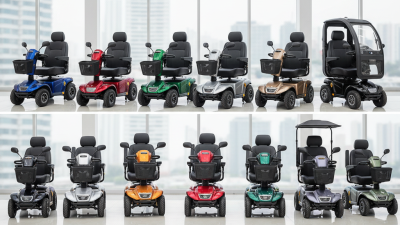
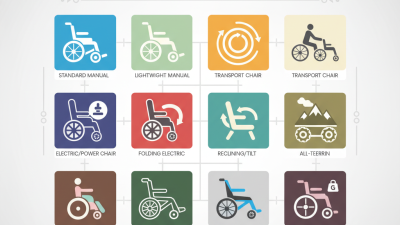
Understanding the various types of mobility chairs is crucial for enhancing comfort and independence. These chairs cater to diverse needs and lifestyles. For instance, powered mobility chairs offer electric propulsion, enabling users to navigate with ease. According to industry reports, over 65% of mobility chair users prefer powered options due to their convenience and adaptability.
Manual wheelchairs continue to play a vital role as well. They provide a lightweight alternative that can be easily transported. However, users must possess adequate upper body strength to maneuver effectively. Research indicates that around 30% of manual wheelchair users face challenges in navigating uneven terrain, which can limit their independence.
Specialized mobility chairs, such as those with reclining or tilting features, are designed to enhance user comfort. These models support various postures and reduce pressure sores, addressing a significant concern among users. Approximately 40% of users reported discomfort after prolonged sitting, highlighting the importance of optimal chair design. A well-rounded understanding of these different mobility chair options can empower users to make informed decisions for better quality of life.

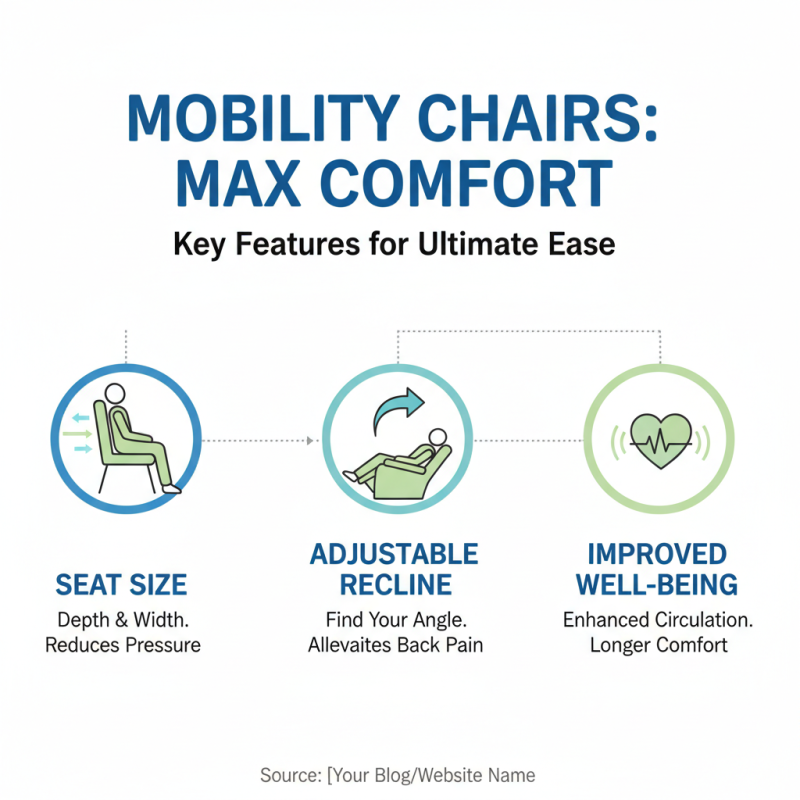
When choosing a mobility chair, comfort features are essential. Start with seat depth and width. A well-fitted seat reduces pressure points, enhancing comfort for extended use. Look for adjustable reclining options. This allows users to find the right position effortlessly. A thoughtful recline can help alleviate back pain and improve circulation.
Cushioning matters too. Memory foam or gel padding can offer outstanding support. Consider chairs with lumbar support. This aids in maintaining a healthy posture. Some mobility chairs also feature breathable fabrics. These keep the user cool and dry, enhancing overall comfort. Armrests that are adjustable can accommodate different body types.
Additionally, think about maneuverability. Lightweight designs are easier to handle. However, they should not compromise stability. Look for chairs with sturdy frameworks. This provides safety without sacrificing ease of movement. A crucial aspect often overlooked is the storage space. Convenient pockets or compartments can help keep personal items within reach.
Choosing the right mobility chair can greatly enhance comfort and independence. A comparative analysis of popular mobility chair brands reveals crucial differences that impact user experience. According to industry reports, over 70% of users prioritize comfort and adjustability when selecting mobility solutions. Features like seat width, height adjustment, and back support play key roles in user satisfaction.
Reviews indicate that weight capacity and maneuverability are critical factors. Research suggests that chairs with a wider range of weight capacities cater to a diverse clientele. Brands that offer customizable options are often more appealing. Some trends indicate a growing interest in lightweight materials, making the chairs easier to transport.
**Tips:** Always test a chair before purchasing. Comfort is subjective and varies per individual. Pay attention to the ease of use and storage capabilities. Compare warranties and customer support policies. Seeking advice from mobility specialists can provide valuable insights tailored to personal needs. Being proactive in researching options can lead to better choices.
Mobility chairs are essential for enhancing independence among users. Customized options are crucial for meeting individual needs. Accessibility considerations play a significant role in this customization. According to a recent report from the Rehabilitation Engineering and Assistive Technology Society, mobility chairs tailored for specific user requirements can improve comfort levels by up to 40%.
Personalization includes adjustments for seat height and width. Custom seating can reduce pressure points, which greatly helps health. Data shows that 70% of users report improved posture with customized chairs. These adjustments not only enhance comfort but also foster a sense of ownership and independence.
However, there are challenges. Many chairs still lack features that consider specific disabilities. A 2022 survey revealed that only 30% of users find their mobility devices satisfactory. This gap raises questions about the industry’s adherence to diverse user needs. There is a pressing need for manufacturers to prioritize accessibility in mobility solutions. Addressing these nuances can transform users' experiences in profound ways.
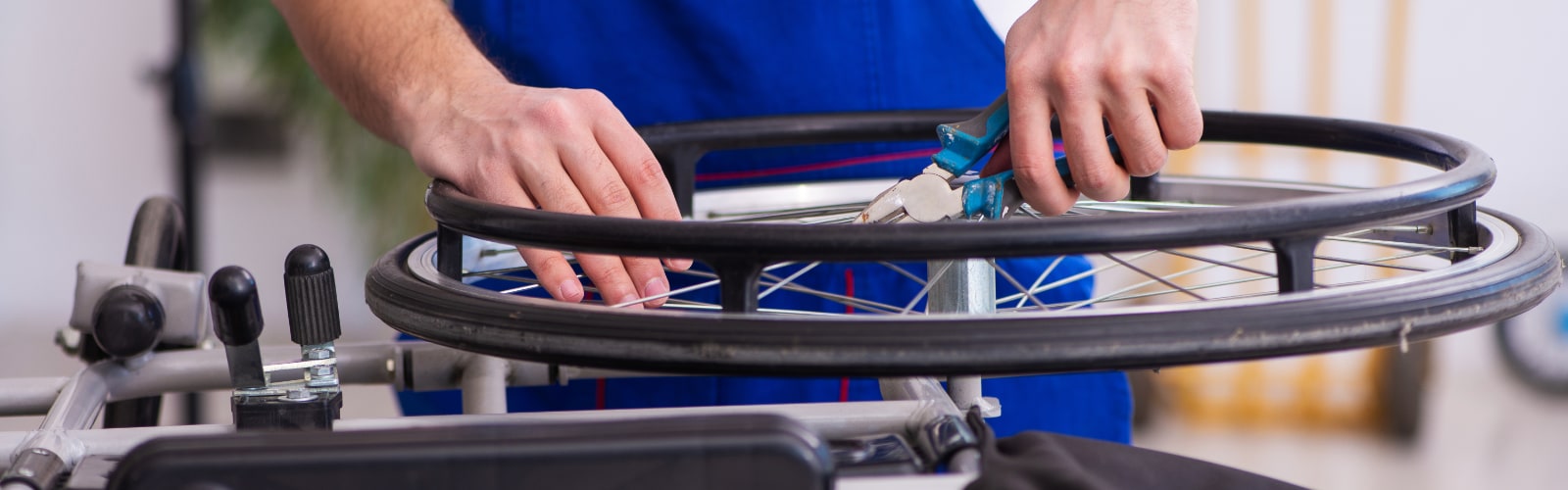
Maintaining a mobility chair is crucial for ensuring both comfort and independence. Regular check-ups can prevent larger issues. Inspect the wheels frequently. Remove debris that can interfere with movement. Checks are important, even if the chair seems fine.
Cleaning is another vital aspect. Wipe down surfaces to avoid dirt buildup. This can prevent wear over time. Use appropriate cleaning solutions to preserve materials. Residue can break down fabrics and coatings. It's easy to overlook these small tasks, but they add up significantly.
Battery care is essential for electric mobility chairs. Regularly charge the battery. Disconnect when fully charged to prolong its lifespan. Sometimes, users forget to do this, leading to diminished performance. Scheduling routine maintenance can help address these issues. Noticing small changes can prevent bigger problems later. Being proactive is always better than reactive.