

Sourcing Digestarom Poultry globally requires more than comparing prices. The product’s performance depends on formulation, authenticity, storage, documentation, and local poultry conditions. A sealed container can still be compromised by heat, humidity, or prolonged transit. Small details matter.
Poultry nutritionist Dr. Steve Leeson offers a useful principle: “Feed additives are not magic bullets.” That reminder should guide every purchasing decision. Digestarom Poultry may support gut function and production consistency, but results depend on bird age, diet quality, farm hygiene, and management. No additive can repair a poorly balanced feeding program.
This guide presents seven practical tips for international sourcing. It examines approved suppliers, regional compliance, technical specifications, certificates of analysis, batch traceability, shipping conditions, and on-farm validation. Buyers should request clear product identification, manufacturing details, expiry dates, and storage instructions before placing large orders. A reliable supplier should also explain how quality is protected between the factory and the farm.
The process is not always perfect. Documents may be incomplete, delivery times may shift, and product names may vary across markets. That is why independent verification remains important. Compare specifications carefully. Ask difficult questions. Record every batch.
A small pilot trial is often wiser than an immediate bulk purchase. Measure feed intake, livability, litter condition, and performance against a defined baseline. Local veterinary and nutrition experts can identify risks that global procurement teams may overlook. These seven sourcing tips aim to make Digestarom Poultry purchasing more transparent, evidence-based, and practical across international supply chains.
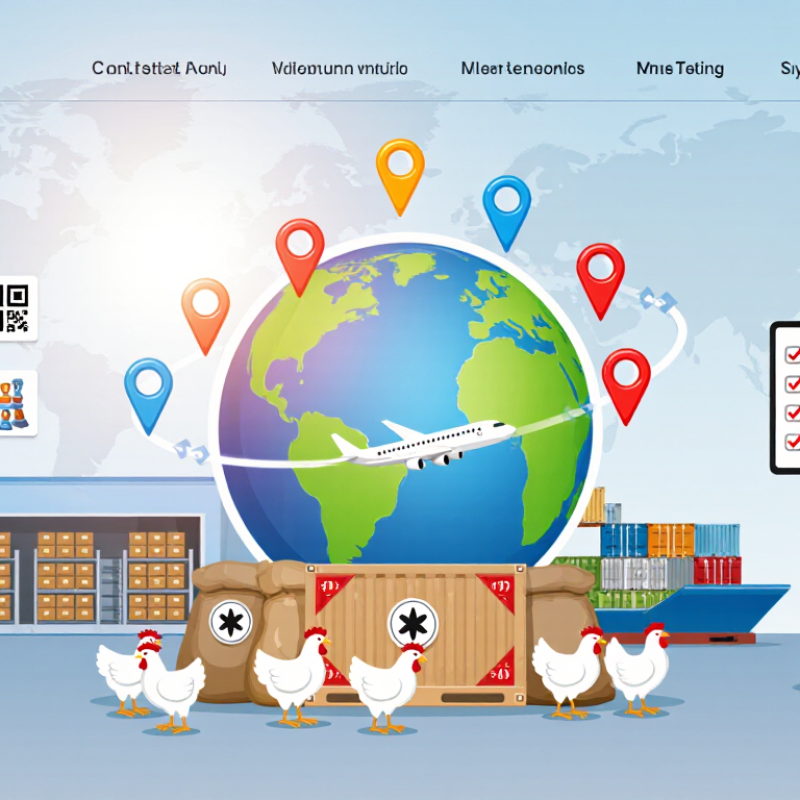
Digestarom poultry solutions are phytogenic feed additives designed to support digestion, feed intake, and bird resilience. Their global relevance is growing with poultry demand. The OECD-FAO Agricultural Outlook 2024-2033 projects poultry meat production to increase by roughly 16% during the decade. FAOSTAT data also recorded more than 130 million tonnes of poultry meat production in 2022. These figures show why consistent digestive support matters across intensive and regional farming systems.
Tip 1: Check the active botanical compounds and their documented functions. Tip 2: Match the formulation with local feed ingredients, climate, and production stage. Tip 3: Request stability data for heat, humidity, and storage. Tip 4: Review independent trial results, not only supplier claims. Tip 5: Confirm inclusion rates through a qualified nutritionist. Tip 6: Compare performance using feed conversion, mortality, and litter quality. Tip 7: Verify documentation for each destination market. Small details matter.
Application results can differ sharply between broilers, layers, and breeders. Water quality, mycotoxin pressure, and transport stress may also change outcomes. The World Organisation for Animal Health emphasizes reliable biosecurity and responsible husbandry, so additives cannot replace farm controls. A practical sourcing review should include batch traceability, laboratory testing, and clear quality specifications. I would also allow room for doubt: one successful trial does not prove universal performance. Local validation remains necessary, especially when diets change.

Regional poultry-meat production provides useful context for global sourcing. Larger production regions may offer broader supplier networks, while sourcing decisions should also consider feed-material availability, import regulations, quality systems, logistics, and local production practices.
Data shown are rounded regional estimates for 2022 poultry-meat production, expressed in million tonnes, based on FAOSTAT food and agriculture statistics. The figures are sector-level data and do not represent any company or brand. Source: FAOSTAT
Global sourcing of poultry feed additives begins with a precise quality definition. A reliable specification should state active ingredients, carrier materials, moisture limits, shelf life, and testing methods. Do not accept “premium quality” as a measurable standard. Ask for batch samples, certificates of analysis, and traceability records linking production to shipment. In practice, I would compare three lots, not one. One good sample proves very little.
Compliance requirements must be written before supplier discussions become commercial. Check permitted ingredients, labeling rules, maximum inclusion rates, and residue expectations in each destination market. Requirements may differ between the exporting country, importing country, and final farm location. An independent laboratory can verify identity, microbial safety, heavy metals, and unwanted contaminants. Keep test dates visible. Documents can look complete while missing a critical method or signature.
Sourcing decisions also need operational detail. Define delivery temperature, packaging strength, minimum order quantities, lead times, storage conditions, and emergency contacts. Request evidence of manufacturing controls, supplier audits, and corrective-action records. A video call is useful, but it cannot replace an audit. Build a risk review for port delays, currency changes, and seasonal demand. I would challenge my own assumptions. A lower price may hide testing gaps. A certification may not cover every requirement.
When sourcing poultry digestive feed additives internationally, begin with qualified suppliers, not attractive prices. Start with evidence. Request the manufacturer’s legal business details, production address, export experience, and product specifications. A reliable supplier should provide recent certificates of analysis, batch numbers, storage conditions, and a clear ingredient statement. Check whether the production site follows recognized feed safety systems, such as HACCP or equivalent controls.
Traceability matters across borders. Ask where raw materials originate and whether the supplier controls blending, packaging, and final release. A factory visit, live video audit, or independent inspection can reveal practical details that documents miss. Look for clean loading areas, sealed containers, calibrated scales, and labeled retention samples. These small signs often show operational discipline. Do not rely on polished brochures alone.
Request a representative sample before placing a large order. Test identity, moisture, stability, and microbial quality through an independent laboratory. Confirm shelf life under your actual warehouse conditions, especially in humid climates. Review packaging strength, pallet protection, and transport temperature requirements. Clarify minimum order quantities, lead times, complaint procedures, and replacement terms in writing. Some suppliers answer quickly but provide weak records. That is a warning. I would also compare at least three production sources, because the cheapest option may create hidden delays, inconsistent batches, or difficult customs documentation. Mistakes happen, even with experienced exporters. Build verification into every purchase.
Global sourcing of poultry digestive additives requires more than comparing the lowest quotation. The OECD-FAO Agricultural Outlook 2024–2033 expects poultry meat to remain a major source of global production growth. Demand may rise, but supply reliability can still weaken during crop shortages, energy shocks, or port congestion. Request three years of price history, not only today’s offer. Separate product cost from freight, insurance, testing, duties, and currency exposure.
Documentation deserves equal attention. A dependable supplier should provide a current specification, certificate of analysis, safety data sheet, batch number, shelf-life statement, and traceability records. Check permitted-use requirements in the destination market, since feed-additive rules differ across jurisdictions. Codex guidance supports clear identity, safety, and labeling controls, but local authorities may request additional evidence. Small gaps matter.
Logistics can quietly erase a price advantage. The World Bank’s Logistics Performance Index 2023 shows a wide gap between the strongest and weakest logistics systems, especially in customs and shipment tracking. Use moisture-resistant packaging, temperature limits, and agreed inspection points. Maintain safety stock near the production site. The UNCTAD Review of Maritime Transport 2024 also highlights continued exposure to route disruption and freight volatility. A second qualified source reduces dependence, although dual sourcing can increase audit costs. I would also test one pilot shipment before signing a large contract. Forecasts are useful, but they are not promises.
Global sourcing of poultry digestive additives requires more than comparing prices. Import rules differ by destination, and documentation gaps can stop a shipment at the border. Confirm the product’s approved use, ingredient declaration, safety data, origin, and transport conditions before placing an order. Ask the supplier for a current certificate of analysis, lot number, shelf life, and storage guidance. Keep these records with the purchase file. A missing page matters.
Verification should happen before arrival, not after a feeding program begins. Request representative samples from the same production lot. Compare label details with the specification sheet and laboratory results. Independent testing can check identity, moisture, microbial limits, and other agreed parameters. Results should be reviewed by a qualified nutritionist or quality manager. Photograph seals and cartons when containers arrive. Record temperature concerns, damaged packaging, and customs delays. I once treated a familiar specification as proof of consistency; that assumption was too weak. Suppliers can change raw materials without obvious visual signs.
Long-term relations depend on measurable habits. Set written expectations for lead times, change notifications, complaint handling, and corrective actions. Schedule periodic video or on-site audits when practical. Share realistic forecasts, not optimistic promises. This helps suppliers reserve capacity and prevents rushed substitutions. Review performance quarterly using delivery accuracy, test results, response time, and claim resolution. Keep a backup source qualified, but do not switch casually. Trust grows slowly. It can disappear after one unexplained batch.
| Tip | Sourcing Dimension | Practical Benchmark | Verification Evidence | Importation Control | Supplier-Relation KPI |
|---|---|---|---|---|---|
| 1 | Define the specification before contacting suppliers | Record animal species, intended poultry application, dosage format, pack size, shelf life, storage temperature, and target annual volume. | Approved product specification, technical data sheet, certificate of analysis template, and change-control procedure. | Confirm the correct customs classification, labeling language, importer-of-record responsibilities, and destination-market feed or food rules. | Specification approval completed before quotation; fewer than 2 clarification cycles per supplier. |
| 2 | Shortlist suppliers by production capability and market access | Compare at least 3 qualified sources across separate supply regions where practical, while prioritizing authorized production and export capability. | Manufacturing-site profile, quality certifications, export references, insurance details, and recent audit summary. | Check whether the origin country and facility are eligible to ship the relevant category into the destination country. | Supplier response time under 2 business days; documented backup source for critical items. |
| 3 | Verify identity, quality, and batch consistency | Use a risk-based review covering identity, potency or activity, microbiological quality, contaminants, moisture, and physical condition. | Lot-specific certificate of analysis, retained sample, independent laboratory report where required, and traceability record. | Release goods only after document review and, for higher-risk shipments, receipt of satisfactory pre-shipment or arrival testing. | 100% document completeness; nonconformance rate below the agreed supplier threshold. |
| 4 | Build a complete import-document package | Prepare commercial invoice, packing list, transport document, certificate of origin when applicable, product documents, and any required health or conformity certificates. | Document checklist signed by procurement, quality, logistics, and the customs broker before dispatch. | Use one consistent product description, tariff classification, net weight, batch number, and country-of-origin statement across all documents. | First-pass customs clearance rate; document correction rate; average clearance delay in calendar days. |
| 5 | Protect product integrity during international transport | Specify packaging, palletization, humidity protection, temperature limits, handling marks, and minimum remaining shelf life at arrival. | Packaging approval, shipment photographs, seal number, temperature or humidity records when required, and arrival inspection report. | Select the transport mode and delivery term only after assessing shelf life, route reliability, insurance, and destination handling conditions. | On-time-in-full delivery above 95%; transport-related damage below 1% of shipments. |
| 6 | Use transparent commercial and contractual controls | Compare total landed cost, not only unit price, including freight, duties, testing, brokerage, insurance, storage, and potential demurrage. | Written quotation, agreed Incoterms® rule, payment terms, validity period, quality agreement, and change-notification clause. | Assign responsibility for export clearance, main carriage, insurance, import clearance, duties, and final delivery in writing. | Variance between quoted and landed cost; invoice-dispute rate; payment accuracy and cycle time. |
| 7 | Develop a long-term performance and continuity plan | Review performance quarterly and maintain a documented corrective-action, forecast-sharing, and business-continuity process. | Quarterly business review, audit schedule, corrective-action log, recall or withdrawal procedure, and updated contact list. | Hold safety stock according to demand variability and lead-time risk; periodically test an alternate route or source. | Forecast accuracy, corrective actions closed by due date, lead-time adherence, and annual supplier reapproval status. |