

What Is a Scooter Sport Bike and How Does It Work?
How Scooter Sport Bikes Differ from Other Two-Wheelers
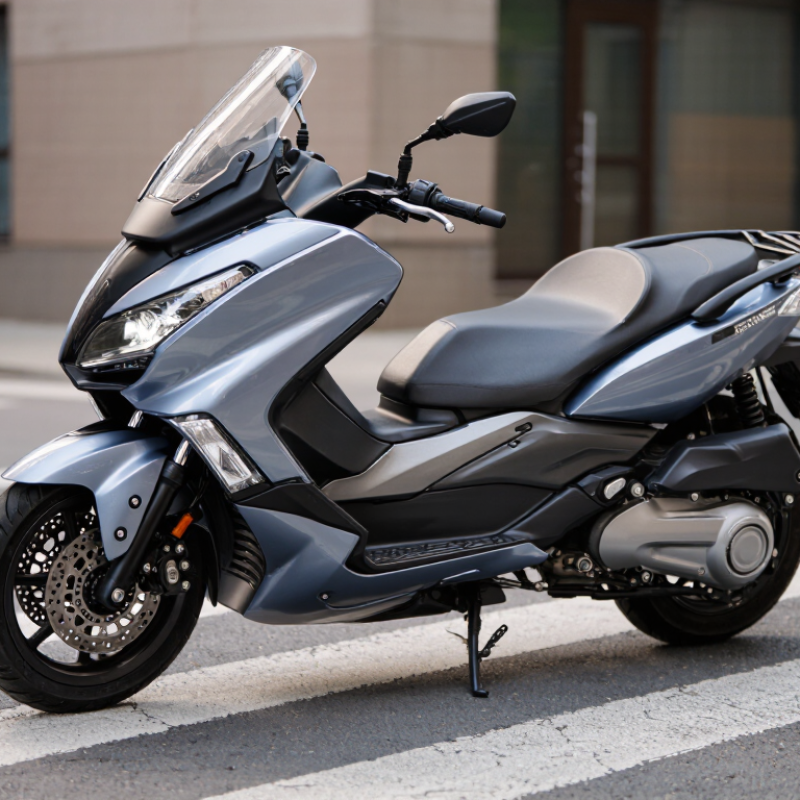
A scooter sport bike blends scooter convenience with sharper handling. Its step-through frame usually supports relaxed mounting and under-seat storage. Most models use an automatic continuously variable transmission, or CVT. The rider twists the throttle, and the system manages engine speed without a hand-operated clutch. Sport-oriented suspension, stronger brakes, and firmer tires improve cornering confidence. The category is not perfectly defined.
Compared with a conventional sport motorcycle, a scooter sport bike has no fuel tank between the rider’s knees. It often uses smaller wheels and a lower seat. These features help urban maneuvering but can reduce stability over rough roads. A manual sport bike normally offers greater engine control and higher sustained-speed ability. A basic commuter scooter prioritizes comfort, economy, and simple suspension settings. A sport scooter adds responsiveness, but sometimes sacrifices softness.
Industry data gives useful context. The Association of European Motorcycle Manufacturers reported more than 1.1 million powered two-wheelers registered across Europe’s five largest markets in 2024. That broad demand includes practical scooters and performance-focused designs. Safety still depends heavily on rider behavior and equipment. The U.S. National Highway Traffic Safety Administration states that helmets reduce motorcycle operator fatality risk by 37 percent. Numbers matter.
Electric versions work differently. A battery sends power through an electronic controller to a hub or mid-mounted motor. Regenerative braking may return limited energy during deceleration. In real traffic, weight, tire grip, and braking feel can matter more than peak output. The “sport” label can therefore mislead buyers. Test the riding position, not just the specification sheet.