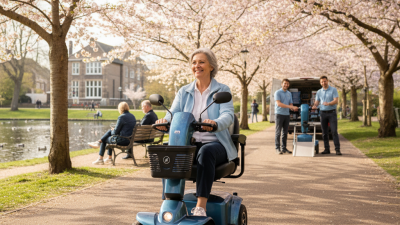

As the global population ages, the demand for mobility solutions increases. According to the World Health Organization, about 15% of people aged 60 and over experience significant mobility issues. Motorized scooters for elderly individuals provide crucial support. These devices enhance independence, allowing seniors to engage in daily activities comfortably.
The market for motorized scooters is expected to grow significantly. A recent industry report estimates growth rates of approximately 7% annually. This reflects a strong interest in solutions prioritizing safety and comfort. However, not all scooters are created equal. Safety features, ease of use, and comfort levels vary widely among available models.
Selecting the right motorized scooter for elderly users can be confusing. Many options lack adequate support or have complicated controls. A scooter should not only be functional but also suit the user's lifestyle. It's essential to reflect on what each individual needs. Finding the right balance between safety and comfort is key.
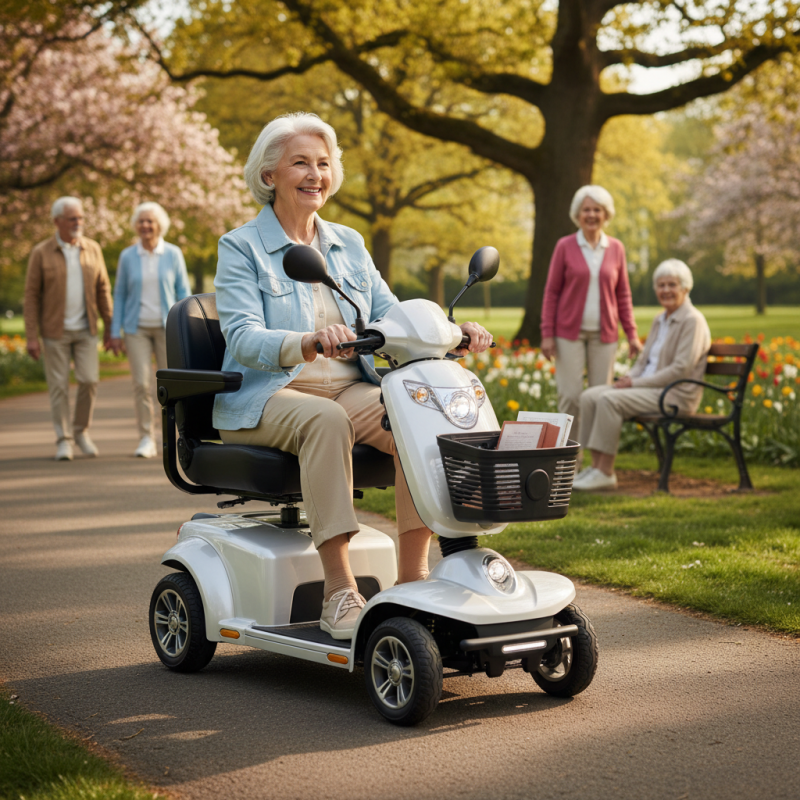
When selecting a motorized scooter for the elderly, safety and comfort are key. Look for models with a sturdy frame. A robust construction enhances stability. Additionally, a wider base can prevent tipping, especially on uneven surfaces. A scooter with anti-tip wheels adds an extra layer of security.
Comfort features are equally important. Cushioned seats make longer rides enjoyable. Adjustable armrests allow users to find their ideal position. Consider weight capacity as well. Some scooters accommodate heavier weights, providing better support.
Battery life is crucial too. An extended range means fewer charges and more freedom. Test the scooter’s speed settings. Slower speeds can help younger users feel secure. Lighting features ensure visibility, especially at dusk. Reflectors are a bonus for safety. While these aspects sound straightforward, not all users find a perfect fit. Some may experience discomfort. Others might prioritize speed over safety. Choosing the right scooter is not always clear-cut.

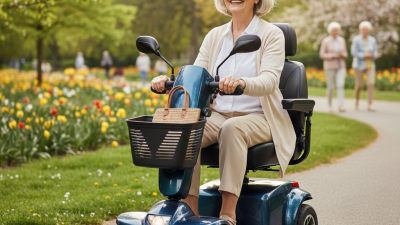
When discussing motorized scooters for the elderly, comfort and safety are paramount. Many top brands focus on creating reliable scooters that meet these needs. Features like cushioned seats and easy-to-use controls contribute to a comfortable ride. For instance, some models come with adjustable armrests and back support, allowing users to find their ideal position. These designs help those with limited mobility or chronic pain feel more at ease as they navigate their surroundings.
Choosing the right scooter involves considering various aspects, such as weight capacity and battery life. Some scooters may have limitations on weight, which can restrict options. Additionally, battery performance can significantly affect usability. It's vital to select a scooter with a battery that lasts throughout the day, especially for those who enjoy long outings. Some scooters also include robust wheels, designed to tackle uneven terrain, enhancing safety during outdoor adventures.
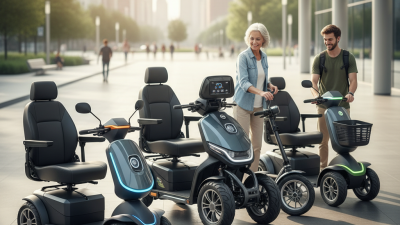
While many scooters boast impressive features, they may not suit everyone’s needs. A scooter that performs superbly for one individual might not be ideal for another. This inconsistency highlights the importance of thorough research and personal testing. Trying different models can help find the perfect fit, ensuring both comfort and security on every journey.
| Model | Weight Capacity (lbs) | Max Speed (mph) | Range (miles) | Seat Width (inches) | Weight (lbs) |
|---|---|---|---|---|---|
| Model A | 300 | 5 | 25 | 18 | 150 |
| Model B | 350 | 6 | 30 | 20 | 160 |
| Model C | 400 | 7 | 35 | 22 | 165 |
| Model D | 320 | 8 | 28 | 19 | 155 |
| Model E | 370 | 9 | 40 | 23 | 170 |
| Model F | 280 | 5.5 | 20 | 17 | 140 |
| Model G | 350 | 6.5 | 32 | 21 | 160 |
| Model H | 300 | 7 | 30 | 20 | 145 |
| Model I | 325 | 8.5 | 33 | 22 | 158 |
| Model J | 390 | 6 | 27 | 24 | 175 |
When it comes to motorized scooters for seniors, safety should be a top priority. According to the National Highway Traffic Safety Administration, accidents involving mobility scooters are often linked to inadequate safety features. Common issues include limited visibility, speed control, and braking systems. Many seniors report feeling insecure when using scooters that lack essential safety mechanisms.
Essential safety features include proper lighting and robust braking systems. Studies show that 40% of scooter accidents occur at night. Having bright, integrated lights can significantly enhance visibility. Also, scooters should have responsive brakes that allow for quick stops. The use of anti-tip technology is an added layer of protection. It helps prevent falls even on uneven terrain, ensuring a more secure ride.
Tips: Look for scooters with adjustable speed settings. This can help seniors maintain a comfortable speed and prevent accidents. Also, consider models with built-in storage. Easy access to personal items can make outings more enjoyable and stress-free. Always prioritize comfort and safety features when choosing a scooter. Adjustments can be made to improve user experience, but safety must never be compromised.
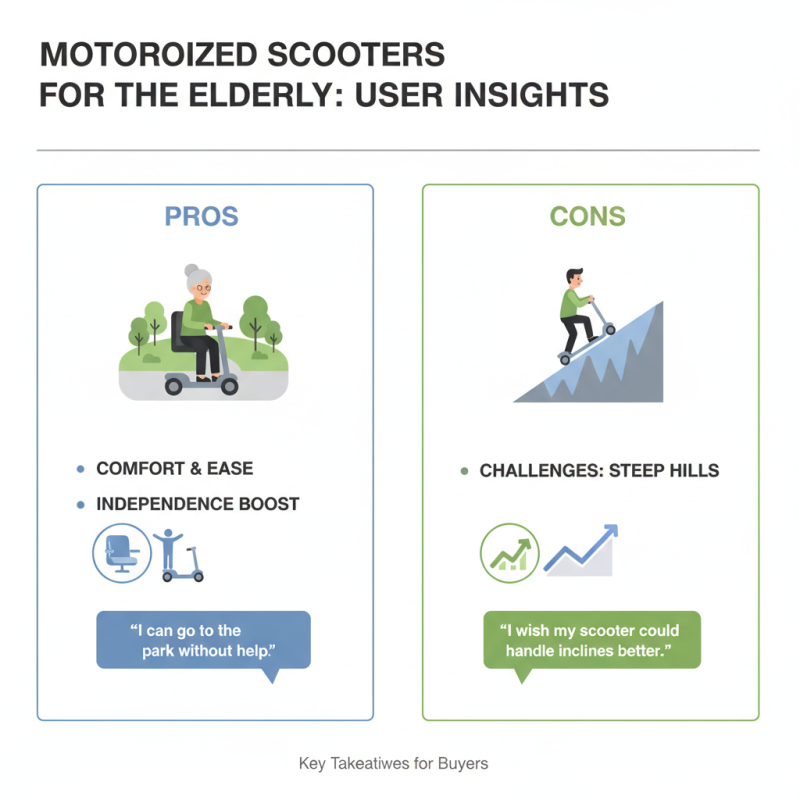
User testimonials reveal a lot about motorized scooters for the elderly. Many users appreciate the comfort level of these scooters. They often mention how easy they are to operate. One user said, “I can go to the park without help.” This feeling of independence is crucial for many. However, some users face challenges with steep hills. A gentleman noted, “I wish my scooter could handle inclines better.” These insights are valuable for anyone considering a purchase.
Safety features often stand out in reviews. Users highlight the importance of reliable brakes. One lady shared, “I feel secure when I ride.” Yet, not every scooter meets these needs. Some individuals experienced accidental stops, raising safety concerns. Although comfort is a priority, safety should never be overlooked. A few users expressed frustration with cramped seating. They felt long rides became uncomfortable. Their feedback reminds manufacturers of the need for improvement.
Motorized scooters are valuable tools for elderly mobility. However, maintaining them is crucial for safety and comfort. According to industry reports, proper maintenance can extend a scooter's lifespan by up to 50%. Regular inspections are essential. Check for tire wear, battery health, and brake functionality. A worn tire can lead to instability. A faulty battery might leave you stranded.
Cleaning the scooter is equally important. Dust and debris can cause parts to wear down. Give it a quick wipe-down at least once a week. Look out for rust. Even a small amount can affect performance. Lubricating moving parts reduces friction and enhances efficiency. These simple steps greatly improve overall safety.
Battery care is also vital. Keeping it charged can prevent performance issues. Never let it fully discharge. Industry average suggests that batteries should be replaced every 12-18 months. Ignoring this can lead to unexpected failures. Keeping records of maintenance activities helps identify patterns. If something isn’t working right, it’s essential to address it promptly. Regular maintenance ensures reliability and comfort on every ride.