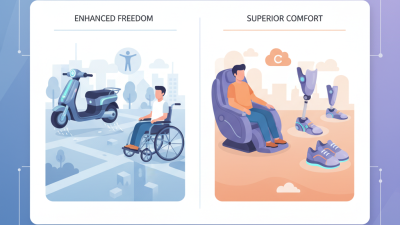

Mobility equipment plays a crucial role in empowering individuals to maintain their independence. This essential support allows people to navigate their environments with confidence. From wheelchairs to scooters, mobility aids enhance both physical movement and mental well-being.
Without appropriate mobility equipment, daily tasks can become daunting. Simple actions like getting to the kitchen or enjoying the outdoors might feel impossible. This reality highlights the importance of access to reliable equipment. It can greatly influence a person's quality of life.
Moreover, the benefits of mobility equipment extend beyond just mobility. It fosters social interactions and enables community involvement. Yet, we must reflect on accessibility issues. Not everyone has equal access to these necessary tools. Addressing these gaps is vital for creating inclusive environments for all.
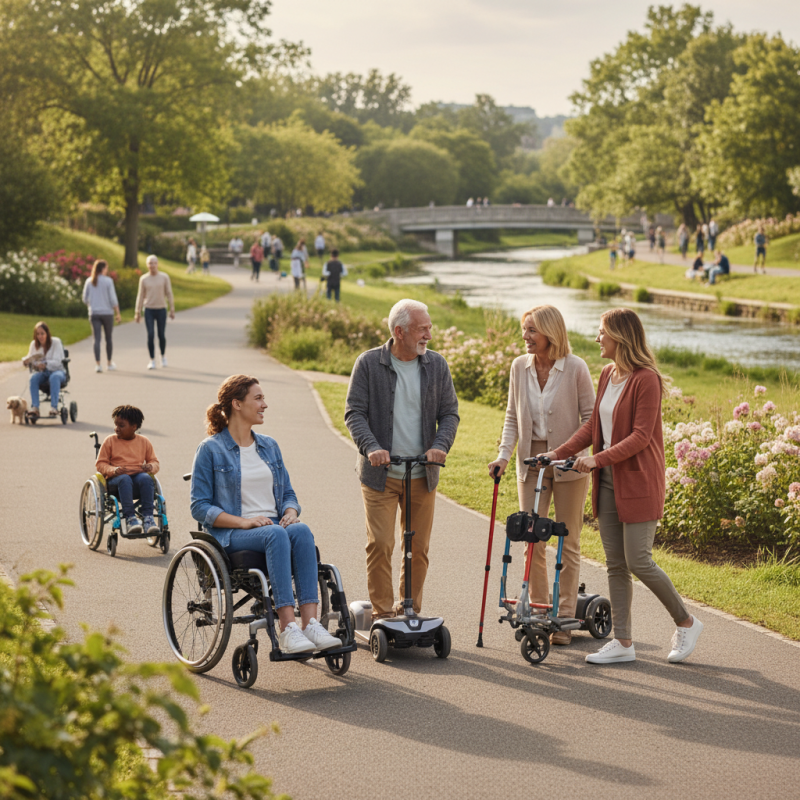
Mobility equipment plays a crucial role in fostering independence for those with mobility challenges. According to the National Institute on Disability, Independent Living, and Rehabilitation Research, nearly 20% of adults in the U.S. live with some form of disability. For many, mobility devices like wheelchairs, scooters, and walkers are essential tools that enable greater autonomy. These devices allow individuals to navigate their environments and engage in daily activities with confidence.
Statistics show that 75% of individuals using mobility equipment report improved quality of life. This improvement often translates to being able to perform routine tasks, like shopping or attending social events, without assistance. Many users experience an increased sense of freedom and a reduction in feelings of isolation. Yet, not all mobility solutions are perfect. Some people may face challenges regarding accessibility or comfort. This variance highlights the need for personalized solutions and the importance of addressing individual needs.
Moreover, the integration of mobility equipment into daily life often requires adjustment. Inconsistent user experiences can arise, leading to frustration. However, positive outcomes are frequently reported when mobility devices are thoughtfully selected and properly used. This emphasizes the ongoing need for education and training tailored to specific devices and user capabilities. The aim should be to promote self-sufficiency while acknowledging the journey toward full independence.
Mobility equipment plays a crucial role in enhancing independence. Various types cater to different needs and preferences, ensuring everyone can find suitable options.
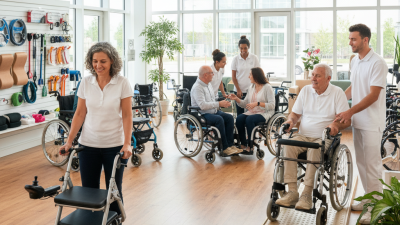
Wheelchairs, for instance, provide essential mobility for those unable to walk. They come in manual and electric styles, each offering different benefits. Manual wheelchairs require upper body strength, while electric ones offer ease of use.
For those with limited mobility but some walking ability, walkers or rollators are effective. These devices provide support and stability. They often include features like seats and storage, adding to their convenience.
Canes are another popular choice, offering support with minimal bulk. Users may benefit from custom grips and different heights to ensure comfort.
Choosing the right equipment can be daunting. Needs differ from person to person, and what works for one may not suit another. It's essential to consider factors like lifestyle, physical abilities, and preferences. Seeking advice from healthcare professionals can guide this process.
Some may feel overwhelmed or frustrated by their options, leading to uncertainty. It's okay to take time to explore various solutions and find what truly enhances independence.
Mobility equipment plays a vital role in enhancing both physical and mental well-being. Devices like wheelchairs, walkers, and scooters empower individuals to navigate their surroundings. This independence reduces feelings of helplessness and boosts self-esteem. Living without mobility assistance can lead to isolation and a decrease in quality of life.
Maintaining mobility encourages physical activity. Regular movement can alleviate chronic pain and improve cardiovascular health. Many users experience increased energy levels. Furthermore, mobility aids foster social interactions. People are more likely to participate in community events, leading to stronger relationships. However, some may struggle initially with adapting to new equipment.
The psychological aspects are just as crucial. Independence fosters a sense of control over one’s life. Yet, some may face challenges in accepting their new reality. It’s important to recognize these feelings and seek support. Overcoming these obstacles often leads to personal growth and resilience. In the end, mobility equipment is not just about movement; it’s about living life fully.
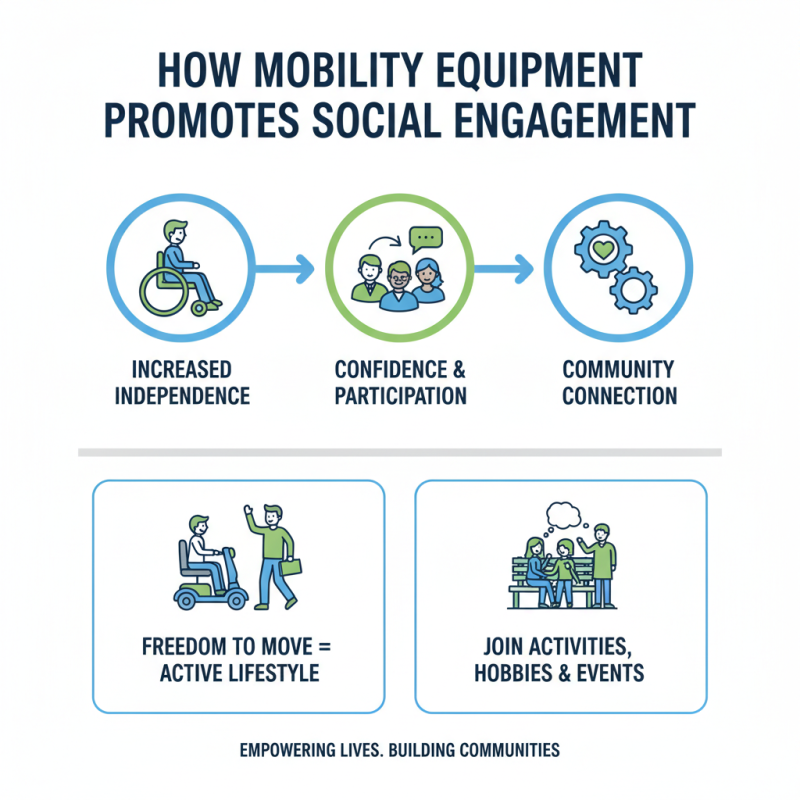
Mobility equipment is vital for enhancing social engagement. It empowers individuals with limited mobility. When people can move freely, their confidence grows. They become active participants in their communities. This fosters a sense of belonging and connection.
Using wheelchairs, scooters, or walkers allows for easier access to social events. Friends and family can come together more often. With mobility tools, visiting parks or attending gatherings becomes possible. This engagement is crucial for mental health and overall well-being. It combats feelings of isolation and loneliness.
However, barriers still exist. Not all places are accessible. Some individuals feel embarrassed using mobility aids. These challenges can deter people from participating in social activities. Overcoming these obstacles requires community awareness and support. Conversations about accessibility must happen. Everyone deserves the chance to connect and belong.
Choosing the right mobility equipment is crucial for fostering independence. Individuals often face unique challenges in mobility. Understanding these can lead to better choices that enhance daily living.
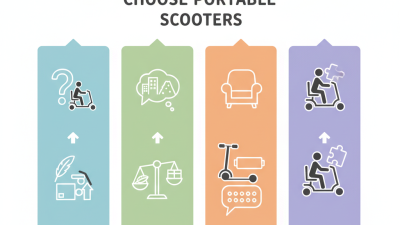
When selecting mobility equipment, consider the user’s environment. A small apartment might require a foldable scooter, while a larger home could accommodate a powered wheelchair. Ensure the equipment fits comfortably in the user’s space. Testing different options is essential, as comfort is key to usage.
Tip: Always consult healthcare professionals for personalized advice. They can provide insights on the specific needs of the individual. Another aspect to consider is the ease of transport. Some devices may be portable, while others could require more storage space. Remember to reflect on how often the equipment will be used. Regular use demands a reliable and user-friendly option.
Final thoughts: Take time to explore various options, as choices can feel overwhelming. The right mobility equipment can greatly impact quality of life. Consider features and practicality to ensure it truly meets individual needs.
| Equipment Type | Primary Function | Benefits | Considerations |
|---|---|---|---|
| Wheelchair | Mobility assistance | Independence, ease of movement | Size, durability, and weight |
| Walker | Stability and support | Improved balance, reduced fall risk | Height adjustment and portability |
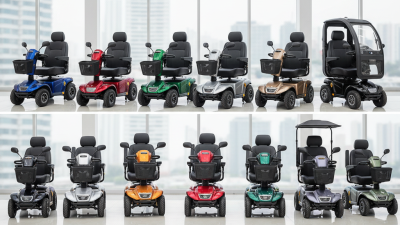
| Scooter | Easy transportation | Longer range, comfort | Battery life, terrain capability |
| Crutches | Weight-bearing assistance | Flexibility in movement | Comfort and height adjustment |
| Canes | Balance aid | Ease of use, lightweight | Grip style, height options |