
When selecting a Lab Glass Liebig Condenser, one must consider various factors for an effective purchase. This essential apparatus is crucial in many laboratory settings. Its design facilitates efficient cooling of vapors during distillation, making it indispensable for chemists and researchers alike.
Understanding the types available is important. Not every condenser fits all needs. Users should assess their specific applications before making a decision. Material quality plays a significant role too. Glass thickness and thermal resistance can impact performance. Choosing the right supplier is equally vital. Experience and reliability in the market can influence product quality.
In this guide, we aim to provide insights into the best Lab Glass Liebig Condensers for 2026. The information presented here is based on expert reviews and user experiences. This approach ensures credibility and helpfulness, supporting informed decisions. Selecting the right condenser can enhance your experiments and save time in the lab.
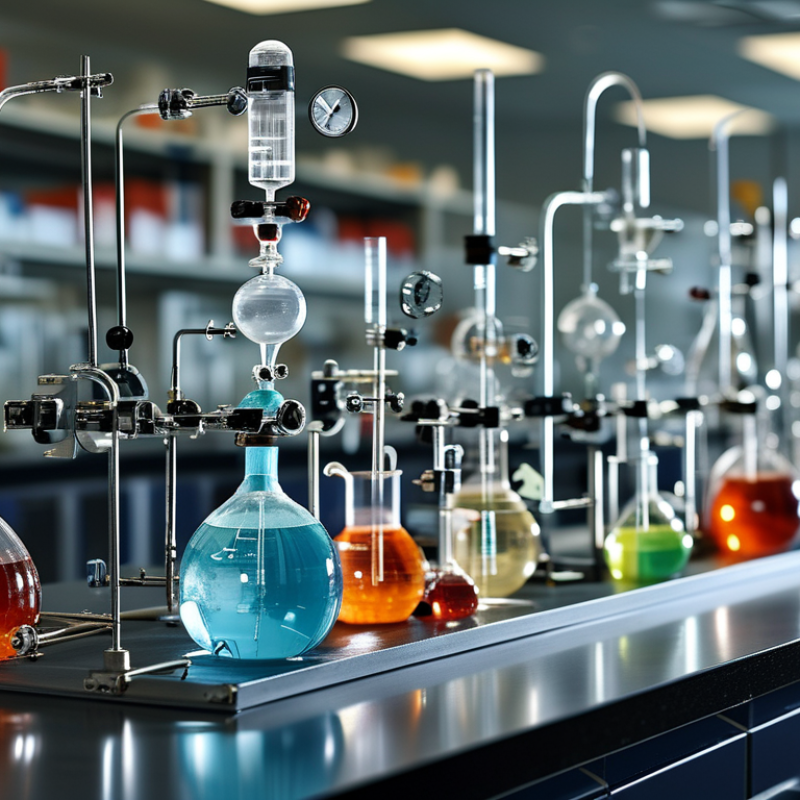
Liebig condensers are essential in laboratory setups, especially for distillation processes. They are designed to efficiently cool vapors back into liquid form. This effect occurs as vapor moves through a cooled tube surrounded by cold water.
The structure of a Liebig condenser is straightforward. It consists of a long glass tube with a cooling jacket. The inner tube transports the vapor, while the outer jacket circulates cold water. As vapor rises, it cools rapidly when it encounters the cold surface. However, the effectiveness can fluctuate based on water flow and tube integrity.
Laboratory managers must acknowledge a few potential pitfalls. A poorly maintained condenser can lead to ineffective cooling. Cracks or imperfections in the glass decrease efficiency. Regular inspections are vital to ensure optimal performance. Understanding these factors helps in making informed purchasing decisions in 2026.

When considering a Liebig condenser, focus on several key features. First, examine the size and dimensions. The length of the condenser impacts its efficiency. A longer condenser often provides better cooling. Make sure it fits your specific setup and needs.
Next, check the material quality. Borosilicate glass is ideal. It withstands high temperatures and chemical exposure. Look for a design that minimizes the risk of breakage. Thicker glass can offer additional durability.
Also, consider the connection types. Standard ground joints facilitate easy assembly. Ensure seals are tight to prevent leaks. Look at the water flow rate, too. It should be adjustable to maintain optimal cooling efficiency. Each of these aspects contributes to the overall functionality of your Liebig condenser. Balance these features according to your own experimental requirements and budget constraints.
| Feature | Description | Importance |
|---|---|---|
| Material | High-quality borosilicate glass is preferred for its thermal stability and chemical resistance. | Essential for durability and longevity. |
| Length | Typically ranges from 100 mm to 500 mm, with longer options available for larger setups. | Affects efficiency and adaptability to different experiments. |
| Cooling Surface Area | Larger surface areas provide improved condensation efficiency. | Crucial for effective condensation during distillation. |
| Connection Type | Standardized joint sizes (e.g., 24/29 or 14/20) for compatibility with various setups. | Important for ensuring a secure fit with other glassware. |
| Price | Ranges from $30 to $200 depending on the features and quality. | Reflects quality and durability; balance between cost and performance is needed. |
Choosing the right material for a Liebig condenser is crucial for effectiveness. Glass is the most common choice due to its transparency and chemical resistance. It allows users to visualize the condensation process, which is essential during a reaction. Glass is also inert, meaning it won't react with most chemicals. This quality provides reliability in sensitive experiments.
On the other hand, other materials like metal or plastic might tempt some buyers. Metals can offer higher durability but often come with the risk of chemical reactions. Plastics may seem convenient due to their lightweight nature. However, they can degrade under high temperatures. Users often experience frustration when they realize that these materials do not provide the same level of performance as glass.
While glass is not unbreakable, its benefits generally outweigh its fragility. Being aware of these drawbacks is vital. Users must reflect on their specific needs. Consider the type of experiments you conduct regularly. Is transparency a significant factor? Understanding the material's pros and cons will guide your decision-making in selecting the best condenser for your laboratory needs.
Choosing the right Liebig condenser involves careful consideration of size and dimensions. A laboratory condenser must fit your specific needs, whether for basic distillation or complex reactions. Evaluate the available space in your lab and ensure it can accommodate the condenser's length and width without compromising functionality.
We recommend measuring the height of your apparatus. The condenser’s vertical length plays a critical role in efficiency. A longer condenser may enhance cooling. However, it can also occupy valuable space. Check your glassware compatibility, as mismatched sizes can lead to inefficiency.
A poorly sized condenser might result in loss of heat or reduced condensation rate. This can waste time and materials. Not all users consider the width of the joints used for connections. Ignoring this can affect the seal, leading to potential leaks. It's essential to think critically about your setup and make necessary adjustments to optimize performance.
When considering a Liebig condenser for your lab in 2026, it's essential to evaluate various brands and their price ranges. The market has many options that vary significantly in quality and cost. Generally, you can expect to find basic models priced as low as $30, while high-end versions may exceed $200. These price points reflect the materials used and the manufacturer’s reputation.
A reliable Liebig condenser will have specific features to enhance performance. Look for units with durable glass and tight seals. These ensure effective cooling and reduce the risk of breakage. Pay attention to the dimensions too, as size can impact your experiment’s efficiency. It’s beneficial to read user reviews to understand real-life experiences with different models.
However, it's easy to overlook some aspects. Often, buyers focus on initial cost but neglect long-term value. Consider maintenance and replacement costs. A cheaper condenser might require frequent replacements, leading to higher expenses over time. Additionally, new users may struggle with setup. Always ensure you are comfortable with assembly and use before purchase. This will save you time and frustration. Reflect on these factors to make an informed decision.