

For brands and manufacturers, choosing an ingredient is a commercial decision as much as a product-development choice. Fish Collagen Powder may suit businesses seeking a marine-derived collagen ingredient for supplements, drink mixes, or other product concepts. Its fit depends on more than a trend. Buyers need to understand its source, processing, specifications, and intended use before making a commitment. Small details matter: a batch specification, a sample’s odor, or how the powder disperses in a test beverage can affect development decisions. Paperwork matters, too. Reliable suppliers should provide clear product information and relevant quality documentation. Claims should be reviewed carefully and supported by appropriate evidence.
Practical testing helps turn supplier promises into useful information. Compare samples for appearance, taste, solubility, and consistency under realistic conditions. Ask how the supplier manages traceability, quality checks, and changes between batches. Then consider packaging sizes, lead times, and whether supply can match expected demand. The category may look promising, but it is not automatically right for every business. Fish-derived ingredients can raise sourcing or formulation questions that deserve a second look. A sample that performs well in a small trial may behave differently in a larger production run. That is worth remembering. A careful review of specifications, testing, and supplier communication can help businesses decide whether Fish Collagen Powder belongs in their portfolio—and what needs further verification before launch.
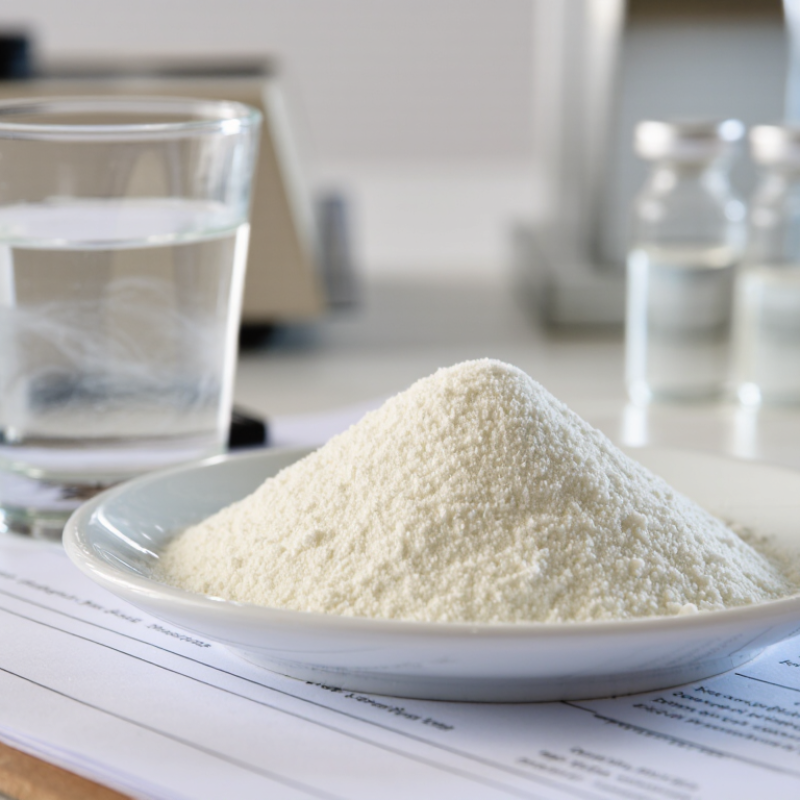
Fish collagen powder is a dried ingredient made from collagen-rich fish tissues, commonly skin or scales. It is not simply ground fish. Processors sort and wash the raw material, removing debris and residual fats. The starting tissue matters: species and handling can affect odor, color, and composition. Small details count.
The cleaned material is treated to release collagen, often using controlled heat, acids, or food-grade enzymes. Enzymatic hydrolysis breaks larger collagen proteins into smaller peptides that can dissolve more easily in liquids. The mixture is filtered, concentrated, and spray-dried into a fine powder. A pale cream color or mild marine note may remain. Processing conditions vary, so “fish collagen” does not describe one identical ingredient.
For business buyers, production records matter as much as appearance. Ask for species identification, lot traceability, allergen controls, and test results for protein content and microbiological quality. Check how the supplier manages heavy-metal testing and moisture, too. These checks support evaluation, but they cannot guarantee every batch is identical. Collagen is also not a complete protein, so it should not be presented as a replacement for balanced nutrition. That distinction is easy to overlook.

Fish collagen powder can serve brands developing drink mixes, capsules, protein blends, and powdered supplements. Its format suits products that need a measured ingredient rather than a ready-to-drink base. Formulators can test it in sachets, tubs, or single-serve sticks, depending on the customer and use occasion.
Several markets may be relevant: beauty-positioned supplements, active-lifestyle nutrition, and general wellness products. It can also fit selected food applications, such as protein bars or instant beverage blends, if the texture and flavor work. Start with a small bench trial. A powder that disperses well in water may behave differently in a warm latte or a thick smoothie. That detail matters.
For business buyers, practical checks include protein specification, batch consistency, odor, solubility, and traceable sourcing. Fish is an allergen, so clear ingredient communication and suitable handling controls are essential. That trade-off is easy to underestimate. Some consumers may avoid marine ingredients, while others may not like a faint fish note, even when it is subtle. Sampling finished products with real users can reveal problems that a specification sheet will miss.
Why Choose Fish Collagen Powder for Your Business?
How It Compares with Other Collagen Sources
When comparing collagen sources, start with the intended product and customer. Fish collagen is commonly rich in type I collagen, a form also found in bovine collagen. Bovine products may contain types I and III, while chicken collagen is often associated with type II. These differences can guide formulation, but they do not guarantee a particular result in the finished product.
Fish collagen is often made from skin or scales left over from seafood processing. That can support useful by-product use. It also brings practical questions. Is the fish species clearly identified? Are catch or farm sources traceable? Can suppliers provide testing and consistent specifications? Check the details. Fish is a major allergen, so labeling and manufacturing controls need careful review.
For a business, powder solubility, taste, peptide profile, and batch consistency may matter as much as source. Processing affects these qualities, so “fish collagen” alone tells you little about performance. Bovine or porcine options may suit different price points or sourcing plans, while fish may appeal to customers seeking a marine-derived ingredient. That is not always a clean win: supply can vary by species and season. Request technical documents, compare samples in your actual formulation, and verify claims before using them in product materials.
Fish skin and scales are commonly associated with Type I collagen, while bovine and porcine sources can provide Types I and III. Type II is commonly associated with chicken cartilage. These bars indicate commonly associated types, not measured percentages; the collagen profile of a finished powder depends on the tissue and processing. For business sourcing, consider the intended application, sourcing requirements, and supplier specifications.
For a fish collagen powder business, quality starts with knowing exactly what enters the process. The FAO’s 2024 State of World Fisheries and Aquaculture reported 185.4 million tonnes of aquatic animal production in 2022. That scale makes clear sourcing records important. Ask suppliers to identify the fish species, processing location, and batch, then check whether those details match the product specification.
Safety needs measurable checks, not broad assurances. A useful certificate of analysis should show test methods and batch-specific results for identity, protein content, moisture, heavy metals, and microbiological criteria. Codex’s General Principles of Food Hygiene (CXC 1-1969) emphasizes controlling hazards throughout food production. Apply that thinking to raw-material handling, processing, and finished-product release. That matters. A polished certificate still leaves questions if its sample date or testing scope is unclear.
Compliance also depends on where the powder will be sold and how it is classified. Review local rules for ingredient naming, fish-allergen declarations, contaminant limits, and permitted claims before approving labels. Keep traceability documents and retain samples where practical. One gap deserves honest attention: supplier paperwork cannot replace independent verification. Risk-based third-party testing can help confirm results, especially when a source or process changes. An occasional mismatch is a reason to investigate, not to quietly revise a specification.
Choosing fish collagen powder starts with supplier evidence, not a polished sales sheet. Ask for species identification, origin details, processing information, and batch-specific certificates of analysis. Check whether testing covers relevant contaminants and microbiological quality. Confirm that the supplier can explain its methods and provide consistent documentation. Request samples, then assess the powder’s color, odor, particle size, and solubility in your intended product. Small details matter. A faint marine note may be acceptable in one formula but distracting in another.
Tips: Compare samples under the same conditions. Record water temperature, mixing time, and any sediment. Ask about lead times, minimum order quantities, packaging options, and how specification changes are communicated. Verify that product information and claims suit your target market.
Plan integration before committing to a large order. Test the powder in the actual format, such as a drink mix, sachet, or capsule, and review its behavior during storage. Check taste, texture, moisture sensitivity, and compatibility with other ingredients. Work with a qualified food technologist when adjusting a formula, and keep trial records so results can be repeated. Supplier documents help, but they do not replace your own checks. I would also leave room for a second round of testing; early results can be misleading. Confirm applicable labeling and quality requirements for each market before launch.