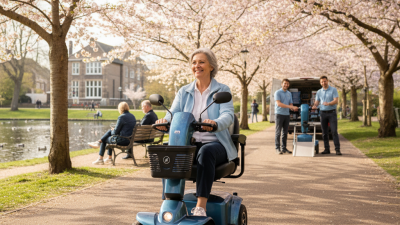

Choosing the right scooters for seniors can significantly enhance mobility and independence. According to mobility expert Dr. James Halpert, “A suitable scooter can be life-changing for seniors.” Many options exist, making the selection process daunting.
Consider features like comfort, battery life, and weight capacity. A well-fitted scooter leads to better experiences. Remember, it's not just about functionality. Style can matter too. These scooters should reflect personal tastes, giving users a sense of ownership.
Make sure to test drive potential scooters. This vital step often reveals hidden flaws. A scooter that feels good can change a senior's daily routine. Often, choices seem overwhelming, and many may rush the decision. Take time to reflect on options to ensure the best fit for your needs.
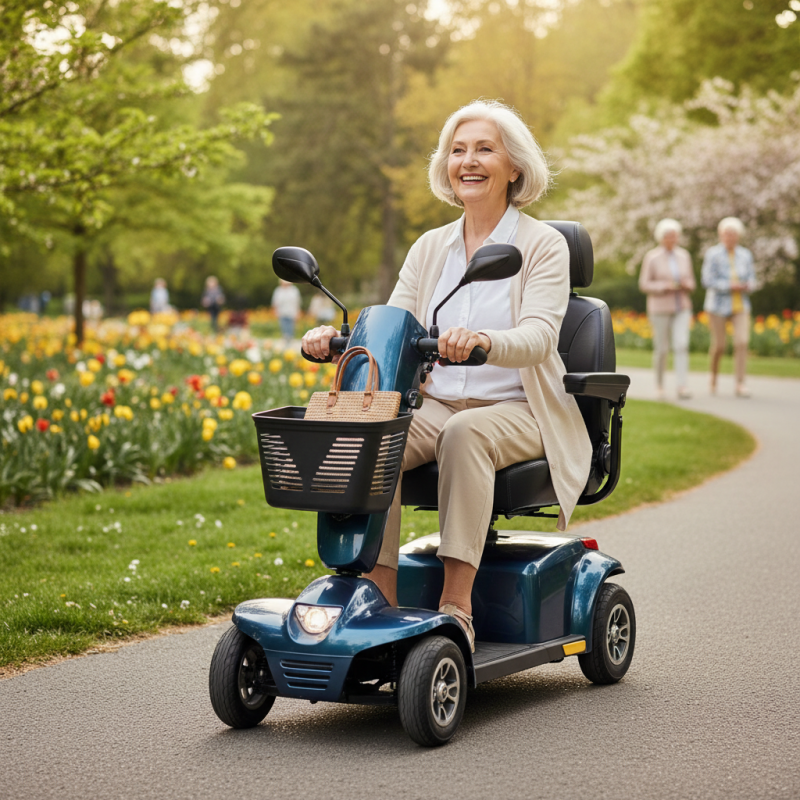
Choosing the right scooter for seniors involves evaluating specific mobility needs. Think about the user’s daily activities. Are they navigating busy sidewalks or just cruising around the neighborhood? The type of terrain significantly impacts scooter selection. For bumpy paths, a rugged model is a must. Conversely, smoother urban environments might require a more compact option.
Weight capacity is another key factor. Some scooters support heavier weights; others are lighter and more portable. Assessing the user’s comfort with operation is essential, too. A simple control system can ease usage for seniors. Yet, technology can sometimes feel overwhelming.
Battery life matters greatly for those making longer trips. Users should consider how often they can charge their scooters. Also, look at storage space for carrying groceries or personal items. Ultimately, striking a balance between features and usability is crucial, yet also presents a challenge. Each senior's needs are unique and may evolve over time. Regularly reassessing the scooter's fit can lead to better mobility and more independence.

When choosing a scooter for seniors, understanding weight capacity is crucial. Many seniors may underestimate their needs. Each scooter has a specific weight limit. Exceeding this limit can lead to safety hazards. It's crucial to check this specification.
Many scooters offer a weight capacity ranging from 250 to 350 pounds. If a senior is over this limit, it may be time to rethink. Consider the individual's health and mobility needs. A scooter should provide comfort and stability. If unsure, seek advice from professionals who understand these machines.
It’s also essential to evaluate the scooter’s design. A wider base can improve stability but may not fit in smaller spaces. A lighter scooter is easier to transport but might compromise on sturdiness. Adjustments might be necessary; they field frustrations for users. Test rides can help identify comfort levels. Choosing the right scooter isn’t just about style; safety should always come first.
When choosing a scooter for daily use, battery life and range are vital. Battery capacity directly influences how far a scooter can go on a single charge. A good range empowers seniors to run errands or visit friends without worrying about recharging frequently. Ideally, look for scooters that offer a range of at least 20 miles. This distance allows for ample flexibility in daily planning.
Understanding the terrain is equally important. If the scooter will be used primarily in urban areas with hills, a battery with a stronger performance is necessary. However, some scooters may not perform well on uneven surfaces. This can affect battery drain quicker than expected. Individuals should test drive various models. Consider how the scooter feels in real-life scenarios, not just specifications.
Also, keep in mind the charging time. Some batteries take longer to recharge, limiting the scooter's availability. For example, a scooter that requires eight hours to fully charge isn't ideal for those with spontaneous outings. It’s essential to weigh convenience against performance. Opting for a balance can enhance independence and mobility while minimizing frustration in daily use.
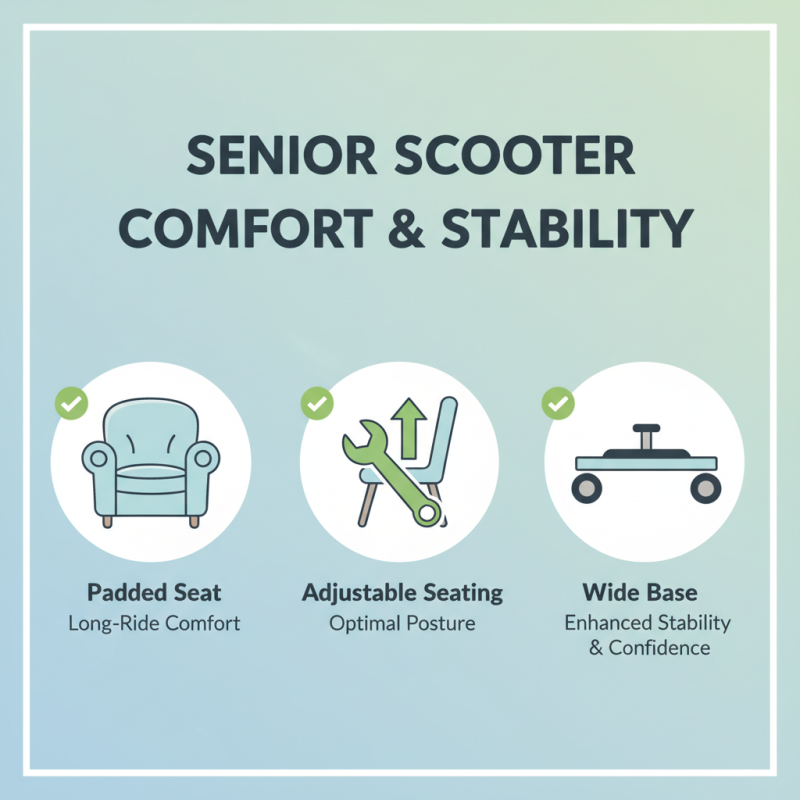
When choosing scooters for seniors, comfort is a top priority. A well-padded seat can make a huge difference during longer rides. Look for scooters with adjustable seats. This allows seniors to find their optimal position. A wider base can also enhance stability, providing confidence to new users.
Usability is equally important. Simple controls are crucial for easy navigation. Seniors may struggle with complicated features. Large buttons and intuitive interfaces can reduce frustration. Additionally, consider the weight of the scooter. Heavier models may be more challenging to maneuver. Lightweight options are often easier to handle.
It's essential to reflect on individual needs. Every senior has different mobility requirements. Some may need extra safety features, while others prioritize speed. Test driving various models can provide valuable insights. It's beneficial to consider personal preferences and specific challenges. This will guide the decision-making process. Not all scooters will fit every lifestyle perfectly, which is why careful consideration is necessary.
When considering scooters for seniors, evaluating cost versus benefits is crucial. A recent report from the National Institute on Aging suggests that seniors increasingly prefer mobility solutions that offer both freedom and affordability. The average budget for a good scooter can range from $1,000 to $3,000. Balancing this cost with the benefits of enhanced mobility is essential for caregivers and seniors alike.
For example, a scooter may reduce transportation costs in the long run. Seniors who own a scooter can save money on taxi rides and improve their quality of life. Thus, investing in a good scooter is more than just a purchase; it’s a lifestyle choice. It can greatly impact a senior's ability to socialize and maintain independence.
Here are tips to consider when choosing a scooter:
The budget might seem high, but the right scooter can lead to greater happiness and mobility.