
Choosing the right mobility aid can greatly impact your quality of life. Medicare approved scooters have emerged as a vital solution for many seniors. According to the Centers for Medicare & Medicaid Services, nearly 30% of Medicare beneficiaries struggle with mobility. This statistic highlights the importance of making informed choices.
When selecting a scooter, it's essential to find a model that suits your unique needs. Many factors come into play, such as weight capacity, battery life, and portability. Understanding these factors can prevent costly mistakes. Reports suggest that about 20% of users end up dissatisfied due to mismatched features.
In this evolving market, several reputable manufacturers continue to innovate. However, not every model qualifies for Medicare coverage. This can lead to confusion and frustration for users. It's crucial to do thorough research before making a purchase. Consider personal comfort as well; after all, a scooter is not just a tool—it's a pathway to independence.

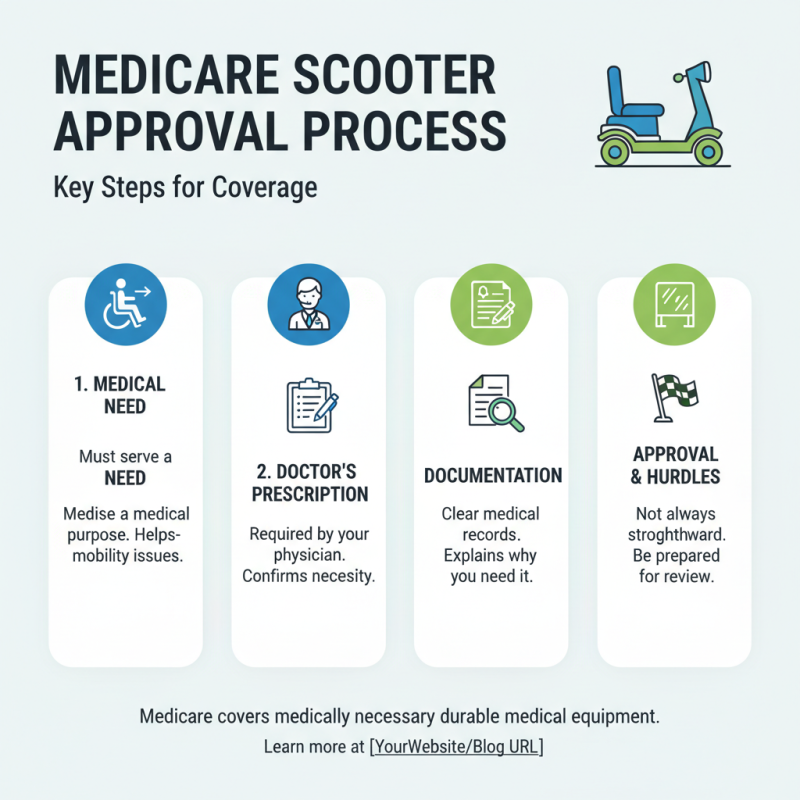
When considering scooters approved by Medicare, it's crucial to understand the approval process. Medicare covers scooters that serve a medical purpose. They should help you move around if you have mobility issues. A doctor’s prescription is often required. This might seem straightforward, but many applicants face hurdles. For instance, your medical documentation must clearly state your need for the scooter.
Not all scooters qualify. They need to pass Medicare's specific standards. These scooters should be primarily used at home. Many users mistakenly assume any model is acceptable. It’s essential to choose a scooter from a list of approved models. A thorough review of your options can save time and frustration. Gathering all necessary documentation early can help. Ensure your mobility needs are well-documented to enhance your chances.
Additionally, understanding your coverage benefits is vital. This can include cost-sharing aspects and potential out-of-pocket expenses. Sometimes, applicants underestimate these financial factors. Be prepared for possible limitations on equipment. Many people overlook these details, which can lead to unexpected costs later. Ultimately, being informed and organized can ease the process.

When choosing Medicare approved scooters, several key features should be prioritized. The scooter's weight capacity is crucial. Many scooters can support 300 lbs or more, but not all models meet this standard. This makes it essential to check the specifications before purchasing. The average user may weigh less than this, but considering future needs is vital.
The scooter's turning radius is another important feature. A smaller turning radius enhances maneuverability. It allows users to navigate tighter spaces effectively. Most scooters offer a turning radius between 32 to 48 inches. This is often overlooked during selection. Wider turning radii may limit usability in home environments.
Battery life is equally significant. A reliable scooter should travel at least 10 miles on a single charge. Some models claim longer ranges, but real-world usage can vary. It is advisable to test the scooter to gauge its performance. Consider additional features such as adjustable seats and lights. These elements can enhance comfort and safety.
Finally, comfort cannot be understated. Many users prioritize ride comfort over speed. A scooter with a cushioned seat and ergonomic design improves the user experience. This is particularly important for those who plan to use their scooters frequently. Always consider how the scooter fits into daily life. Balancing practicality with comfort ensures the best choice.
When assessing your mobility needs, understanding your lifestyle is vital. Consider how often you will use the scooter. Will it be for short distances or longer outings? Think about where you’ll be riding. Is it indoors or outdoors? These factors impact the scooter type that fits your needs best.
Evaluating the terrain is also essential. Flat surfaces are easier, but hilly areas may require sturdier scooters. Weight capacity matters too. If you have health conditions affecting strength, don’t overlook this. Your comfort is paramount, so consider the seat size and cushioning.
Another tip: test drive models. It can reveal what feels right. Pay attention to how easily you can maneuver it. Does it turn well in tight spaces? Is it easy to control? Reflect on these experiences. Remember, you may need to adjust your expectations. The right fit is not just about specifications; it’s about how well a scooter integrates into your life. Make sure you prioritize features that enhance your daily routine.
When evaluating costs and coverage for Medicare-approved scooters, understanding Medicare guidelines is crucial. According to the Centers for Medicare & Medicaid Services, scooters fall under durable medical equipment (DME). This means specific criteria must be met for coverage. Typically, the scooter must be prescribed by a doctor. Patients need to demonstrate the medical necessity of using the scooter.
Consider evaluating the total costs involved. The average price range for scooters can vary significantly, from $1,500 to over $3,000. Medicare may cover some of these costs, but beneficiaries might still face co-pays or deductibles. Review the details, as not all scooters qualify for reimbursement under Medicare. Look into rental options if purchasing isn’t feasible. This can reduce financial burdens while using the scooter.
Tip: Always confirm with your healthcare provider about the necessary documentation required for approval. This can prevent delays. Remember, your unique needs may not align with general assumptions. What works for one person might not work for another. Ensure the scooter has the features you truly need. Other features may look appealing but can lead to higher costs without added value.
When using Medicare-approved scooters, safety is paramount. A report by the U.S. Consumer Product Safety Commission indicates that approximately 13,000 scooter-related injuries are treated each year. These incidents often stem from improper use or inadequate safety measures. Understanding these risks is essential for users and caregivers alike.
Consider the terrain where the scooter will be used. Uneven surfaces can lead to falls. A study published in the Journal of Rehabilitation Research found that terrain-related accidents contribute to over 30% of scooter injuries. Always assess the riding environment before embarking. Users should also wear safety gear, such as helmets and pads. These simple precautions can significantly reduce injury risk.
Moreover, regular maintenance is critical. A scooter in disrepair poses dangers. Many users neglect routine checks. A survey indicated that only 45% of users perform necessary maintenance regularly. Familiarizing users with their scooters’ capabilities is crucial. Each model may have different weight limits, speed settings, and turning radii. Ignoring these factors can lead to dangerous situations. Stay informed to enhance safety while enjoying the freedom scooters provide.
| Tip | Description | Safety Consideration |
|---|---|---|
| 1. Evaluate Mobility Needs | Consider your daily activity level and travel distance. | Ensure the scooter can handle your required terrain. |
| 2. Check Weight Capacity | Choose a scooter that can support your weight safely. | Overloading can lead to accidents. |
| 3. Look for Battery Life | Ensure the scooter can sustain the distance needed on a charge. | Reduced battery life increases risk of being stranded. |
| 4. Comfort Features | Select scooters with adjustable seats and armrests. | Uncomfortable seating can impair control. |
| 5. Stability and Maneuverability | Consider the base width and wheel size for balance. | A wider base can prevent tipping. |
| 6. Safety Features | Check for headlights, turn signals, and brakes. | Visibility and effective braking can prevent accidents. |
| 7. Test Drive | Take the scooter for a test drive before purchasing. | Get a feel for the controls and stability. |
| 8. Read Reviews | Research user feedback on the scooter model. | Understand potential issues from real users. |
| 9. Warranty and Support | Check the warranty period and support options. | Good support can help with maintenance issues. |
| 10. Accessibility | Ensure the scooter is easy to enter and exit. | Accessibility features prevent falls during entry. |