Choosing a Mild Hyperbaric Chamber should begin with safety, not marketing promises. A chamber may look simple, with a reclining mat, clear windows, and a small control panel. Yet pressure, ventilation, materials, and emergency access all deserve careful review. The wrong choice can create discomfort, poor usability, or unnecessary risk.
Dr. Scott Sherr, a physician and medical director associated with mild hyperbaric practice, has stated, “The chamber is a tool, not a cure.” That caution matters. A responsible buyer should examine the chamber’s operating pressure, air supply, monitoring system, manufacturer documentation, and cleaning procedures. Ask whether trained support is available during every session. Ask what happens if the user feels ear pain, dizziness, anxiety, or shortness of breath. Small details matter.
Look beyond impressive claims.
A reliable Mild Hyperbaric Chamber should have clear instructions, traceable manufacturing information, and realistic guidance about intended use. It should fit the user’s body comfortably, while leaving enough room for safe entry and exit. Children, older adults, and people with medical conditions may require professional advice before use. Personal experience can reveal practical problems, but it cannot replace clinical judgment.
Some manufacturers explain benefits too confidently. That is a weakness, not proof of quality. Compare specifications carefully, verify service support, and discuss suitability with a qualified healthcare professional. The best decision may feel less exciting, yet it should be transparent, cautious, and based on evidence rather than hope.
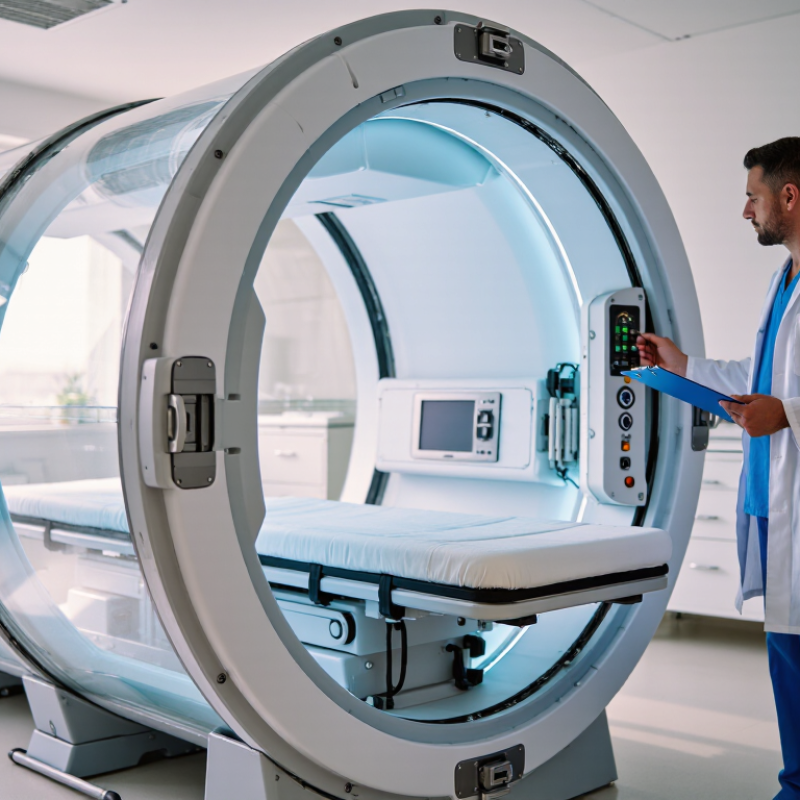
Mild hyperbaric chambers use slightly increased air pressure, often with room air rather than high-concentration oxygen. They differ from hospital-grade hyperbaric oxygen therapy, which follows stricter medical protocols. The pressure may feel similar to an airplane cabin during descent. Ear popping can occur.
Their intended uses vary. Some people explore mild hyperbaric sessions for relaxation, recovery after exercise, or general wellness. However, evidence for many wellness claims remains limited and inconsistent. It should not replace diagnosis or treatment from a qualified healthcare professional. A careful provider should explain expected benefits, uncertainties, and possible risks before a session.
Look for trained supervision, clear pressure settings, emergency procedures, and regular equipment maintenance. Ask how staff screen for ear problems, lung conditions, pregnancy, medications, and other health concerns. Never ignore discomfort, dizziness, breathing difficulty, or unusual pain. Stop the session and request medical advice when symptoms appear.
The chamber should feel clean and spacious enough for safe movement. Check whether communication with staff remains available throughout the session. I would not choose a chamber based only on attractive promises or dramatic testimonials. The research is still developing. That matters. Even experienced users can underestimate pressure-related problems, especially when sessions occur without proper screening. Availability also differs by location, so local medical rules and professional guidance should influence the decision.
| Selection Dimension | Typical Mild-Chamber Information | Why It Matters | Practical Questions to Ask |
|---|---|---|---|
| Working pressure | Many mild hyperbaric chambers operate at approximately 1.3 to 1.5 ATA. ATA means atmospheres absolute, with 1.0 ATA representing normal sea-level atmospheric pressure. | Pressure affects gas exposure, ear and sinus comfort, equipment classification, and the level of clinical oversight that may be appropriate. | Is the maximum pressure clearly stated in ATA? Is the pressure independently verified during each session? |
| Breathing gas | Some mild chambers use ambient air, while others provide supplemental oxygen through a mask or hood. The oxygen concentration should be specified by the supplier. | A pressurized air session is not equivalent to breathing near-100% oxygen under pressure. Gas composition changes the risk profile and clinical classification. | What gas is delivered? What oxygen concentration is provided? Is oxygen delivery continuous and monitored? |
| Intended use | Mild chambers are generally marketed for wellness, relaxation, or non-specific supportive use. Marketing claims should not be treated as proof of medical effectiveness. | Evidence for mild hyperbaric use varies by condition, and many commonly advertised applications do not have strong clinical evidence. | What specific outcome is expected? Is there high-quality clinical evidence for that use at the proposed pressure and oxygen level? |
| Regulatory status | Regulatory clearance or registration is specific to the device, jurisdiction, and intended use. It does not automatically validate every health claim made about the chamber. | A device’s legal marketing status and the scientific evidence for a particular use are separate issues. | Can the seller provide official regulatory documentation for the exact model and stated use in your country? |
| Safety certification | Look for documented electrical, pressure, fire-safety, and materials testing appropriate to the chamber’s design and operating environment. | Pressurized environments and oxygen-enriched environments can increase fire and equipment hazards if poorly designed or operated. | Which recognized standards were used? Are test reports current, traceable, and applicable to the complete system? |
| Emergency features | Important features may include an emergency exhaust or rapid-decompression system, two-way communication, internal and external pressure displays, and an accessible entrance. | Users need a reliable way to communicate, stop a session, and exit safely if symptoms or equipment problems occur. | Can the user exit without assistance? Is there a written emergency procedure and a tested communication system? |
| Pressure control | The system should allow controlled compression and decompression, with pressure gauges or sensors that are easy to read. | Gradual pressure changes can help reduce discomfort and lower the risk of pressure-related ear or sinus problems. | What is the compression and decompression rate? What happens if the power supply or compressor fails? |
| User comfort and access | Evaluate internal dimensions, seating or lying position, visibility, ventilation, noise, temperature, and ease of entry and exit. | Claustrophobia, limited mobility, heat, or poor ventilation may make a chamber unsuitable or difficult to use consistently. | Can the chamber accommodate the user comfortably for the planned session duration? Is there adequate airflow? |
| Medical screening | A healthcare professional should review relevant conditions, medications, pregnancy status, ear or sinus problems, lung disease, and previous pressure-related complications before use. | Certain conditions can increase the risk of barotrauma, breathing complications, or other adverse effects. | Is a documented health screening required before the first session? Who is responsible for responding to medical concerns? |
| Fire and oxygen precautions | Open flames, smoking materials, sparks, petroleum-based products, and unapproved electrical or electronic items should be kept away from oxygen-enriched environments. | Oxygen supports combustion and can make a fire ignite more easily or burn more intensely. | Are prohibited items clearly listed? Are cleaning products, fabrics, and accessories approved for the chamber environment? |
| Maintenance and inspection | The chamber should have a documented inspection, cleaning, calibration, filter-replacement, and pressure-system maintenance schedule. | Regular maintenance helps preserve pressure control, air quality, seals, valves, and safety-system performance. | Who performs maintenance? Are service intervals, replacement parts, and inspection records provided? |
| Training and supervision | Users should receive instruction on equalizing ear pressure, recognizing symptoms, operating controls, and responding to emergencies. Supervision is especially important when oxygen is supplied. | Correct operation reduces preventable risks and ensures that concerning symptoms are addressed promptly. | Is an in-person orientation provided? Is a trained attendant present throughout the session? |
| Cost and total ownership | Consider purchase or rental cost, installation, delivery, ventilation, electricity, oxygen supply, consumables, servicing, insurance, and disposal. | The lowest initial price may not represent the lowest safe long-term cost. | What are the recurring operating and maintenance expenses? Is technical support available locally? |
| Warning signs | Be cautious of guaranteed cures, claims to treat many unrelated diseases, pressure or oxygen specifications that are not documented, and sellers who discourage medical advice. | Overstated claims can obscure uncertain evidence and may encourage inappropriate self-treatment. | Are claims supported by peer-reviewed research on a comparable pressure, gas mixture, and treatment protocol? |
Important: A mild hyperbaric chamber should not be used as a substitute for diagnosis or established medical treatment. Consult a qualified healthcare professional before use, particularly when oxygen is supplied or when the user has a medical condition.