
In today's fast-paced world, sleep is often neglected. Yet, the need for quality rest is universal. “How well we sleep directly affects our overall health,” says Dr. Emily Chen, a leading expert in Sleep Monitoring Technology. Many Americans suffer from sleep disorders, with the CDC reporting that nearly one-third of adults do not get enough sleep. This creates a growing demand for effective monitoring solutions.
Choosing the right Sleep Monitoring Technology can be daunting. With numerous products available, it's crucial to consider your personal needs. These devices help track sleep patterns, providing valuable insights into your nightly rest. They can guide users in making informed decisions about their sleep environment and habits. However, not all technologies are created equal. Some may offer only basic tracking, while others provide in-depth analysis.
Investing in proper sleep tracking can enhance your well-being. Yet, it's important to reflect on how accurately these technologies represent your sleep. Not all options will suit every individual, and users must be mindful of their specific requirements. A one-size-fits-all approach may not yield the desired benefits.
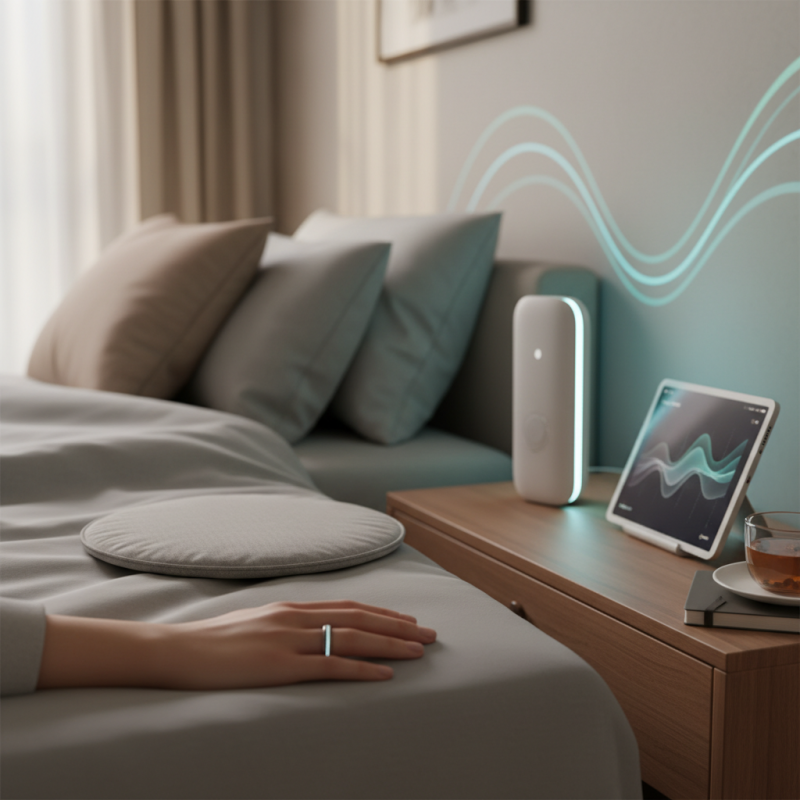
Sleep monitoring technology is revolutionizing how we understand our rest. Reports indicate that approximately 48% of Americans struggle with sleep issues. By delving into this realm, individuals can gain insights into their sleep patterns, ultimately improving their sleep quality.
Various sleep monitoring technologies exist, including wearables and smartphone applications. For example, a recent study showed that wearable devices can enhance sleep efficiency by 12% when used regularly. Many offerings track heart rate, movement, and even breathing patterns. These metrics provide a comprehensive view of sleep cycles. However, these technologies are not infallible. Some users report discrepancies in accuracy, especially with lighter sleep stages. It's essential to reflect on the data provided and seek professional guidance when interpreting results.
The benefits of using these technologies are significant. Many users find that a better understanding of their sleep leads to improved daily performance. They often report increased energy and productivity levels. Yet, it’s crucial to remember that technology can’t replace good sleep hygiene practices. For some, the aim should not just be tracking, but fostering a routine that promotes better sleep naturally. Balancing tech use with mindful practices may yield the best outcomes.

When selecting sleep monitoring technology, focus on key features that matter most to you. Accuracy in tracking is paramount. Look for devices that measure sleep stages, heart rate, and movement throughout the night. Some devices offer insights into your sleep quality based on these metrics. User reviews are essential to determine reliability.
Comfort is another important factor. If a device is uncomfortable, it could disrupt your sleep. Consider whether you prefer a wearable device or a non-invasive option, like a mattress sensor. Battery life is key too; frequent charging can be a nuisance.
Data privacy should not be overlooked. Ensure that the device you choose has robust data protection measures. It’s crucial to know how your sleep data will be used. While technology can enhance sleep understanding, some features may feel overwhelming. Reflect on what you truly need. The right device should fit seamlessly into your night routine, enhancing, not complicating, your sleep experience.
When choosing sleep monitoring tools, consider your needs and preferences. Many options exist in the market, each with distinct features. Some tools track your sleep patterns, while others offer insights on sleep quality. A good choice balances functionality with ease of use.
Tips: Always prioritize comfort. Wearable devices should not be bulky. Consider how they feel during the night. Non-invasive options like mattress sensors could be a better fit for some users.
Data accuracy is crucial but varies among devices. Some may overestimate or underestimate your sleep duration. You might find discrepancies in sleep stage tracking too. Evaluate the data critically and make adjustments based on your experiences.
Tips: If data seems off, keep a sleep diary. This helps identify patterns. Look for commonalities in sleepless nights. It’s important to be honest with yourself about lifestyle choices affecting your sleep.
When choosing sleep monitoring technology, accuracy and reliability are paramount. According to a 2023 report by the National Sleep Foundation, over 70% of consumers struggle with sleep issues but often overlook how effectively sleep trackers can address these concerns. Industry studies suggest that many trackers provide only a rough estimate of sleep stages, with accuracy rates ranging from 50% to 85%. Hence, it is essential to analyze the specific capabilities of each device.
Data from the Journal of Clinical Sleep Medicine indicates that some sleep trackers can misinterpret movements and breathing patterns. This leads to inaccurate sleep stage feedback. A 2022 review found that while some trackers excel in monitoring restlessness, they may fail to appropriately measure deep sleep. This inconsistency can confuse users about their sleep quality.
When selecting a sleep tracker, look for features that prioritize validated algorithms. Choose devices that offer compatibility with specialized sleep studies. Many experts recommend using sleep trackers in conjunction with sleep diaries for better accuracy. Always maintain realistic expectations, as no device is flawless. Regularly re-evaluate its feedback to determine its effectiveness for your needs.
Integrating sleep monitoring technology into your daily routine can be transformative. Start by selecting a device that fits seamlessly into your life. Consider your sleeping environment and daily habits. Whether you prefer a wearable device or a smart mattress, choose one that aligns with your personal preferences.
Once you have a device, establish a consistent bedtime routine. Try to go to bed and wake up at the same time each day. This helps your body adjust and enhances the accuracy of sleep data. Use the insights from your device to identify patterns in your sleep. For instance, do late-night snacks affect your rest? Are you getting enough deep sleep? Engaging with this data requires reflection.
Don't be discouraged by fluctuations in your sleep quality. Each night is unique. Recognize that improvement takes time. Experiment with changes, like reducing screen time before bed or adjusting your room temperature. Monitor how these adjustments impact your sleep. These small tweaks can lead to better rest and overall well-being, but it’s a continuous journey.
This bar chart depicts the hourly distribution of sleep over the course of a week. By monitoring your sleep hours, you can understand patterns and make informed decisions to enhance your sleep quality through technology.