


How to Choose the 2026 Best Organic Sweet Potato Powder?
Comparing Processing Methods, Nutrition, and Flavor
Processing method shapes both nutrition and flavor. USDA FoodData Central lists baked sweet potato at about 90 calories and 3.3 grams of fiber per 100 grams. Powder values become more concentrated after water removal. Therefore, compare serving sizes carefully. Freeze-drying usually protects color and delicate aroma better. Drum-drying often creates a deeper, cooked-sweet flavor. Spray-drying can produce fine particles, but may require carriers. The best method depends on your recipe.
Nutrition claims need evidence. The USDA Agricultural Marketing Service explains that organic certification controls production practices, not guaranteed nutrient superiority. Check the certificate, ingredient list, moisture level, and recent laboratory results. A credible supplier should provide testing for microbial safety, heavy metals, pesticide residues, and moisture. The 2024 World of Organic Agriculture report also shows continued global growth in organic farmland and sales, but market growth does not replace product testing.
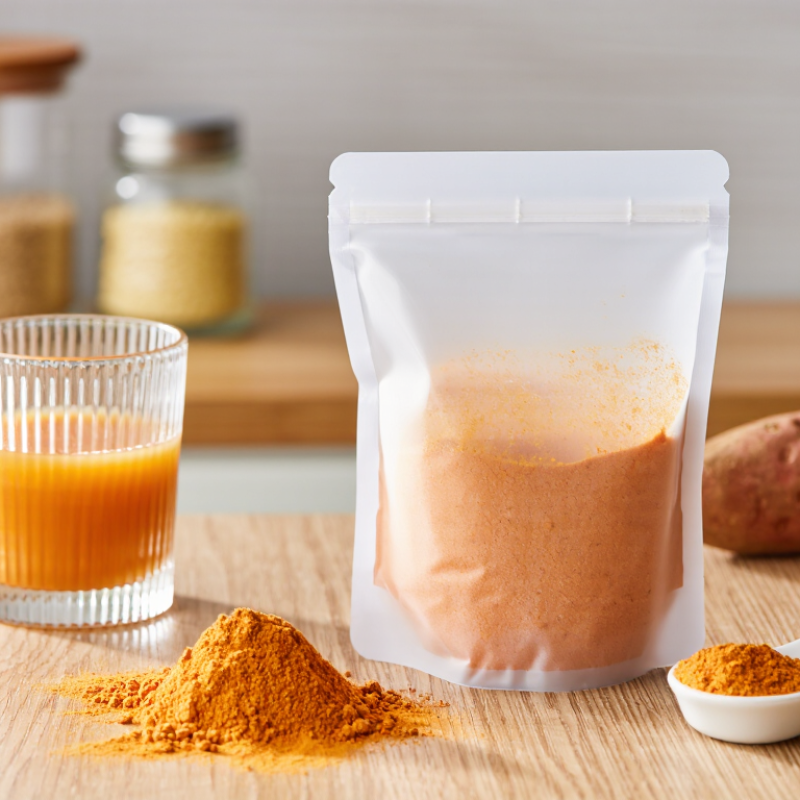
Flavor is practical. A good powder should smell mildly earthy, like freshly opened sweet potato. It should dissolve without a dusty aftertaste. I have found that darker powders can taste more roasted, though color alone proves little. Some samples clump quickly in humid kitchens. That matters. Choose packaging with strong moisture protection and a clear production date. One detail is easy to miss: excessive heat may improve shelf stability while reducing fresh notes. A careful buyer should accept that compromise, not hide it.