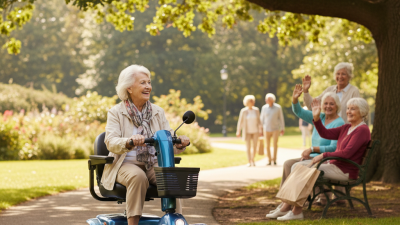

Choosing the right mobility aid is essential for seniors. Scooters for elderly individuals can enhance independence and improve quality of life. According to mobility expert Dr. Emily Turner, “The right scooter can transform mobility for the elderly."
When selecting scooters for elderly users, several factors come into play. Safety features, weight capacity, and ease of use are crucial. Many seniors may not feel confident navigating technology. A user-friendly design can make a significant difference.
Also, personal preferences vary. Some may prefer a compact scooter for indoor use, while others need one for outdoor activities. Understanding individual needs and preferences is vital. It is important to take time for a thorough evaluation to find the best fit. Seniors deserve mobility options that truly enhance their daily lives.
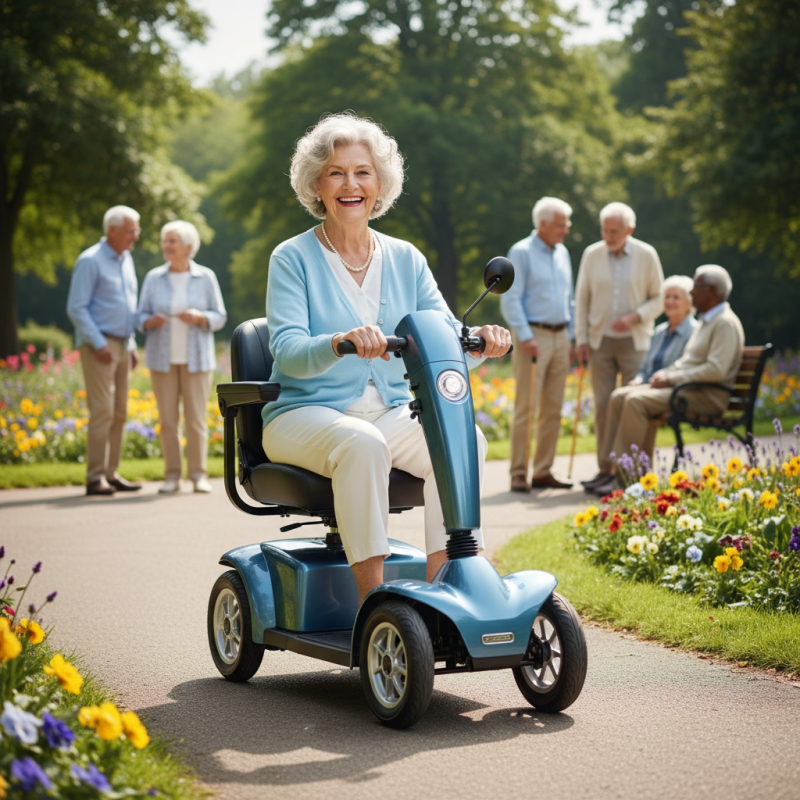
Understanding the unique mobility needs of the elderly requires careful consideration of various factors. Mobility limitations often stem from age-related issues like arthritis and limited strength. According to a report from the National Institute on Aging, about 40% of seniors age 65 and over experience difficulties in mobility. This makes it essential to choose scooters that are easy to operate and provide adequate support.
One important aspect is the weight capacity of scooters. Many elderly individuals may need additional support. Reports indicate that scooters with a weight capacity of at least 300 pounds can cater to a larger demographic, thereby enhancing accessibility. Additionally, turning radius matters significantly. A scooter with a tight turning radius makes navigating small spaces easier.
Safety features are also crucial. High-visibility lights and anti-tip designs can prevent accidents, ensuring not just mobility but also safety. Yet, users often overlook maintenance. Regular checks and service can prolong the scooter's life, enhancing reliability. Older adults should be encouraged to reflect on not just their mobility needs but the practicality and upkeep of their chosen equipment. Balancing mobility with safety ensures a better quality of life.
| Feature | Importance | Recommended Specification | Consideration |
|---|---|---|---|
| Weight Capacity | High | 300-400 lbs | Ensure stability and safety |
| Turning Radius | Medium | 30-50 inches | Easier maneuverability in tight spaces |
| Speed | Medium | 4-8 mph | Balancing speed and safety |
| Battery Life | High | 15-25 miles per charge | Sufficient for daily use |
| Comfort Features | High | Padded seats, adjustable armrests | Enhances user experience |
| Portability | Medium | Lightweight design or foldable | Ease of transport |

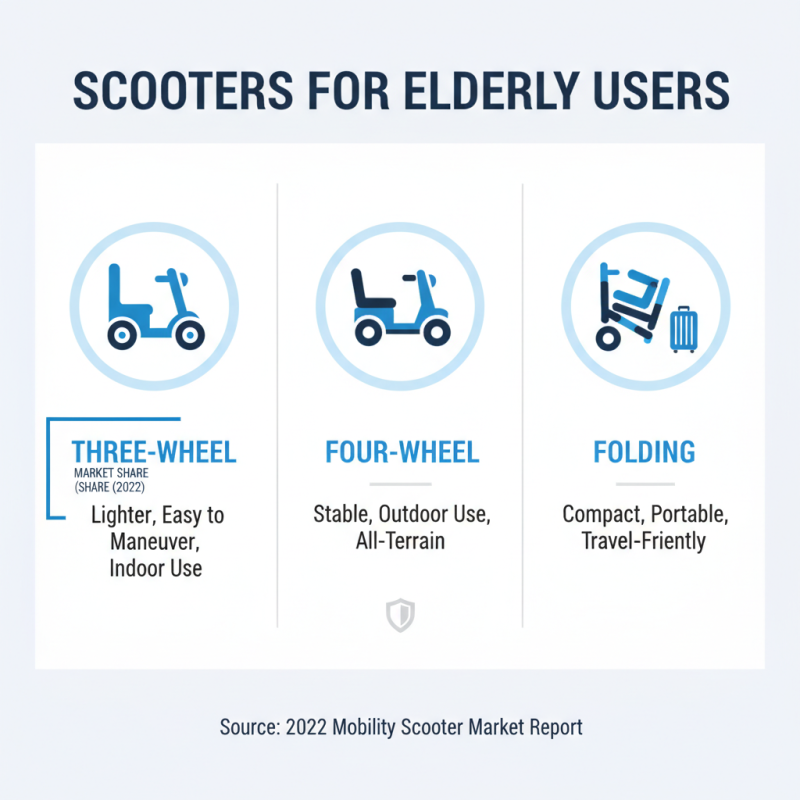
When selecting scooters for elderly users, understanding the types available is crucial. Mobility scooters generally fall into three categories: three-wheel, four-wheel, and folding scooters. Three-wheel scooters tend to be lighter and easier to maneuver in tight spaces, making them suitable for indoor use. In 2022, the market share for three-wheel scooters was around 40%, indicating their popularity among seniors.
On the other hand, four-wheel scooters provide better stability and support for outdoor use. Studies reveal that these scooters are preferred for longer journeys, as they often include higher weight capacities and larger batteries. About 55% of elderly users report feeling more secure with this type. Folding scooters offer convenience for travel, as they can be compactly stored. However, some users have expressed challenges with their weight when lifting and unfolding.
It's essential to consider individual needs and preferences. Factors like weight, terrain, and required features must be evaluated carefully. Surprisingly, many elderly individuals do not prioritize testing multiple models before purchase. A report from a senior mobility research group states nearly 30% of users could benefit from better education on available options. This gap in knowledge may lead to individuals settling for unsuitable scooters, affecting their mobility and independence.
When selecting a scooter for elderly mobility, several key features must be taken into account. The American Association of Retired Persons (AARP) highlights the importance of weight capacity. Choose a scooter that can comfortably support the user’s weight. Most scooters offer capacities ranging from 250 to 500 pounds. A scooter that fails to meet weight requirements can result in safety issues.
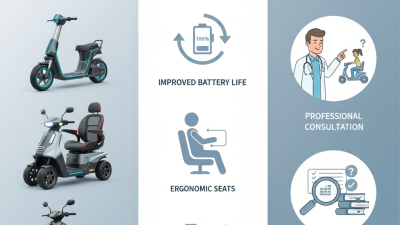
Battery life is another critical aspect. Many models offer a range of 15 to 25 miles on a full charge. Consider daily travel needs when evaluating battery power. Additionally, look for chargers that are easy to use and accessible. A reliable battery ensures independence for the elderly.
**Tips:**
Opt for scooters with adjustable seats for comfort and better posture. This feature can significantly enhance user experience. Pay attention to wheel size as well, since larger wheels provide better stability on rough terrains.
Lastly, consider portability. Some scooters are foldable and lightweight, making them suitable for car travel. This is valuable for outings and shopping trips. Narrowing down choices can be challenging, so thorough research helps identify scooters meeting safety and usability standards. Prioritize comfort and ease of use to significantly enhance mobility.
When choosing scooters for elderly mobility, safety features are paramount. According to a report by the National Council on Aging, over 28% of seniors report experiencing falls. This statistic underscores the importance of scooters designed with enhanced safety. Look for models equipped with anti-tip systems, giving users confidence in navigating different terrains.
Braking systems are equally crucial. Models with automatic brakes or those triggered by hand controls can prevent accidents. A study published in the Journal of Aging and Physical Activity highlights that effective braking can reduce the risk of falls by 50%.
Additionally, comfortable seating is essential. Seats with adequate cushioning can prevent discomfort during longer rides. Seniors often express concerns about back pain on longer journeys. The height of the scooter should also allow easy entry and exit, which is overlooked frequently. Ramps and minimum curb heights can enhance accessibility, particularly for those with mobility challenges. By considering these safety features, caregivers can make informed decisions that promote independence and mobility in a safe way.
When considering a scooter for elderly mobility, the budget is a crucial aspect. You'll want to determine the total cost, including purchase price, insurance, and maintenance. A budget will help narrow down options. Many scooters come in various price ranges, so understanding what you can afford is vital. Additionally, features and mobility needs should reflect in your spending choices.
Exploring financial assistance options can alleviate costs. Local government programs may provide funding or subsidies. Non-profit organizations sometimes offer grants or loans. Researching these can make a significant difference. It's not uncommon to have mixed feelings when navigating finances. It can feel daunting and overwhelming. Finding the right balance between cost and functionality is essential. Seek out local resources, and don’t hesitate to ask for help. Every little bit counts.