
In the evolving landscape of mobility solutions, choosing the right medical scooter rental can be a challenging task. Experts like Dr. Sarah Thompson, a leading physiotherapist, emphasize, "Selecting the right scooter can greatly enhance your mobility and independence." With a multitude of options available, it becomes crucial to understand your specific needs and preferences.
Medical scooter rentals offer vital support for individuals with limited mobility. They can enable users to regain some independence while navigating daily activities. However, not every scooter meets every need. A good fit ensures comfort and efficiency. This highlights the importance of evaluating factors such as size, battery life, and weight capacity.
Some might rush into a choice, but this could lead to dissatisfaction. Reflecting on personal requirements guarantees a better experience. Each scooter rental experience is unique. Careful consideration can help identify the right balance between functionality and comfort. Prioritizing these details empowers users to make informed decisions in the realm of medical scooter rentals.

Choosing the right medical scooter rental starts with understanding your mobility needs. Consider
how often you need the scooter and the terrains you'll navigate. This clarity will help you select a
model that suits your daily life.
Tips: Think about where you live. Are your
routes smooth or rough? If you plan to travel,
lightweight models may be more convenient. Assess how long you'll be using it daily.
Look into the duration of your rental. Longer rentals often have better rates. This aspect can save
you money and provide more stability in your mobility solutions.
Tips: Always read rental agreements carefully.
Missing details can lead to unexpected costs. Keep in mind the storage space available for the scooter.
Not all models fit easily in small areas. Take your time to reflect on what you really need.

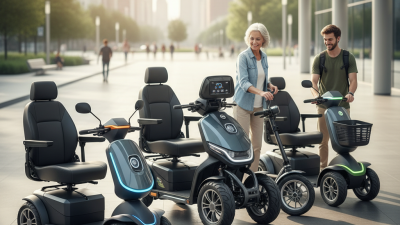
When selecting a medical scooter for rental, understanding the types available is crucial. Three main categories exist: travel scooters, heavy-duty scooters, and full-sized scooters. Each type serves different needs and situations.
Travel scooters are lightweight and compact. They are easy to disassemble and fit into a car trunk. Perfect for short trips or vacations, they may have limited battery life. Users might feel frustrated if the range doesn't meet their expectations.
Heavy-duty scooters provide extra support and stability. They are suitable for larger individuals or those needing additional weight capacity. While they offer comfort, they can be bulkier, making them less portable. Renters should consider their living situations and vehicle space.
Full-sized scooters are designed for indoor and outdoor use. They offer advanced features and better performance on various terrains. However, they may be challenging to navigate in tight spaces, making them less ideal for smaller homes. Evaluating each type carefully can help ensure the right choice for your lifestyle.
Choosing a medical scooter rental can feel overwhelming. There are many companies to consider. Evaluating each company on specific factors is crucial for making the right choice.
Reputation is a key factor. Research customer reviews to gauge overall satisfaction. Look for recurring themes in their experiences. A high level of customer service is essential. Some may mention delays or issues in communication, which can be red flags.
Check the variety of scooters offered. Different models cater to different needs. Whether you need something compact or heavy-duty, the options should be available. Inspect the condition of the scooters. Older models might not perform as well. Availability of maintenance and support during your rental period is vital. A reliable company will address repairs quickly.
When renting a medical scooter, understanding rental costs and insurance coverage is crucial. A report from the National Mobility Equipment Dealers Association highlights that rental prices can vary significantly, often ranging from $30 to $100 per day based on the scooter's features and capabilities. Consider your specific needs when evaluating these costs. A basic model may suffice for short errands, while more advanced models with enhanced stability and speed could justify higher expenses.
Insurance coverage can also play a critical role in rental decisions. According to a survey by the American Association of People with Disabilities, nearly 40% of renters reported having challenges with insurance reimbursement for rental equipment. Understanding if your health insurance covers scooter rentals is essential. Some policies may offer partial reimbursement, while others might not cover rentals at all. It's necessary to read the fine print and ask your provider directly.
Don’t forget to examine what the rental agreement includes. Some companies may charge extra for maintenance or repairs. Both unscheduled breakdowns and accidents can lead to unexpected expenses. Researching rental companies carefully and asking about their liability coverage can save you from future financial burdens. Transparency in costs and coverage helps you make more informed choices.
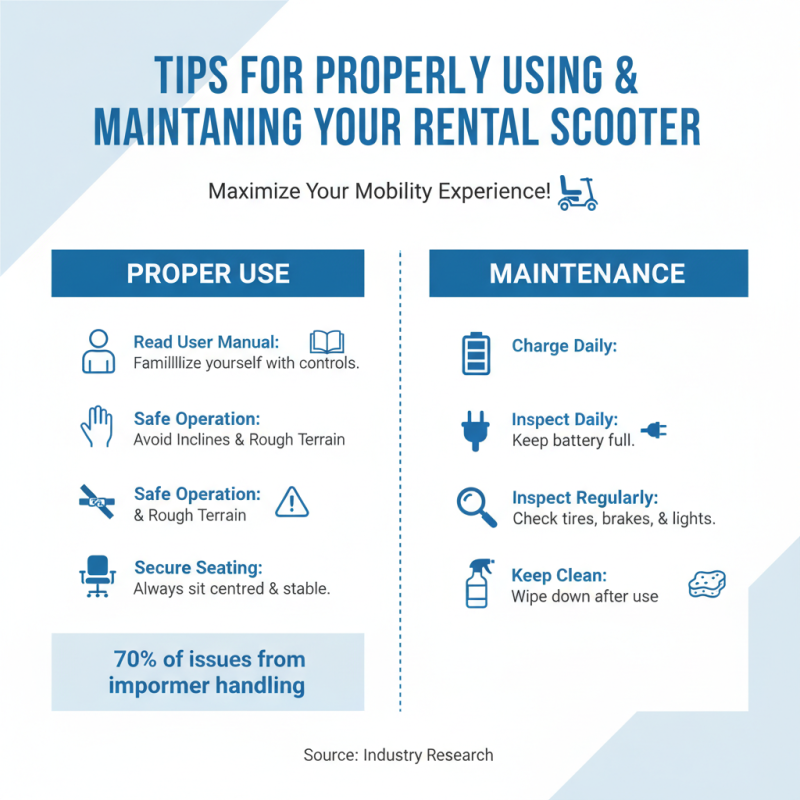
When renting a medical scooter, proper use and maintenance are crucial. According to industry research, nearly 70% of scooter users experience issues due to improper handling. Awareness of how to operate your scooter safely is essential for maximizing your mobility experience.
Before using a rental scooter, always familiarize yourself with its controls. Adjust the seat for comfort and ensure that your feet can reach the ground. This small adjustment can provide better balance and stability. Frequent scooters rentals report that improper seat height can lead to discomfort and accidents. Always inspect your scooter before use. Check for tire inflation and brake functionality to avoid potential mishaps.
Regular maintenance is key to longevity. Clean the scooter, paying extra attention to the wheels and battery compartment. The lifespan of a scooter battery can be significantly extended with proper care. Additionally, charge the battery according to rental guidelines. Not adhering to them can lead to unexpected downtimes. According to the National Mobility Equipment Dealers Association, a well-maintained scooter can last up to five years. Be mindful; neglecting maintenance could reduce its effectiveness, and lead to increased rental costs.