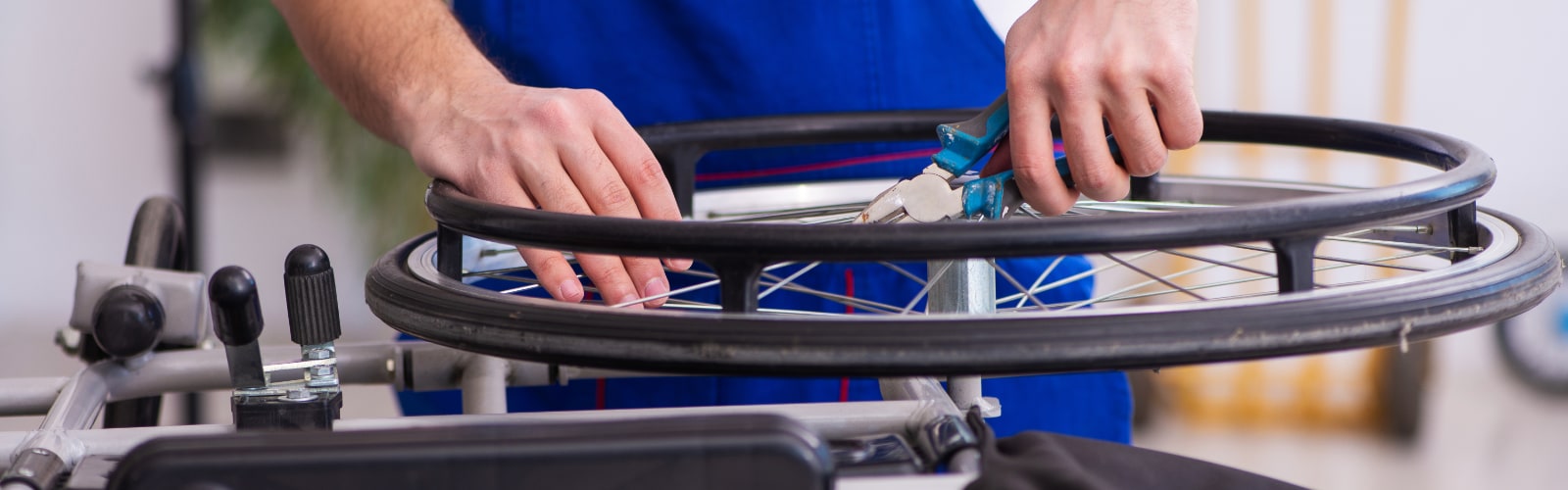

In the world of mobility aids, comfort is paramount. The right equipment can greatly enhance quality of life. A Reclining Wheelchair is an excellent choice for users who need support during extended sitting. These wheelchairs provide not just mobility but also the ability to rest comfortably.
Choosing the perfect reclining wheelchair involves considering various features. Adjustable backrests and footrests can make a significant difference in how one feels after prolonged use. Users should also pay attention to the wheelchair's weight and maneuverability. A good fit is crucial for every user.
However, not all reclining wheelchairs are created equal. Some may lack essential features or comfort levels. It's important to remember that personal preferences vary widely. What works for one person might not be suitable for another. Evaluating options carefully is essential for finding the best fit, ensuring both comfort and usability.

When choosing a reclining wheelchair, comfort is key. You'll want to consider adjustable features. Look for footrests that can elevate and retract easily. This helps with circulation and reduces pressure points. A reclining backrest is essential, as it allows users to find their ideal position. Adjustable armrests add another layer of comfort, accommodating individual needs.
Material matters as well. Cushioned seats can make a significant difference. High-quality upholstery resists wear and enhances comfort. Choose a wheelchair that offers breathable fabrics to keep users cool. Weight capacity is also crucial. Ensure it supports the individual comfortably, providing stability and safety. Reflect on the overall build. Some wheelchairs may feel bulky, making them harder to maneuver.
Aesthetics shouldn't be overlooked. While functionality is vital, a stylish design can boost morale. Don't shy away from personal preferences. Some users may prefer classic looks, while others enjoy vibrant colors. It’s important to test out different options to find the perfect fit. If you find a wheelchair uncomfortable, adjustments may be needed. Stay open to the idea of customization for an optimal experience.

When seeking comfort in a wheelchair, reclining models are often favored. These chairs allow users to adjust their position easily. A good reclining wheelchair supports various postures. It can help reduce pressure sores, a common issue for many users. According to a report by the National Institute of Health, individuals using reclining wheelchairs experience 30% less discomfort over time.
The design of a reclining wheelchair should not be overlooked. Consider features like sturdy frames and adjustable leg rests. These elements increase functionality. Research indicates that approximately 50% of wheelchair users prioritize comfort features when selecting models. However, not all options are easy to operate. Some may require assistance for proper adjustments, limiting independence. This can be frustrating for many.
Another point of concern is the weight of the chair. Heavier models can be more stable but challenging to transport. Lightweight wheelchairs offer ease of mobility. However, durable construction cannot be compromised. An ideal option balances both weight and durability. Balancing these factors can be complex, requiring careful consideration from users. The right reclining wheelchair is crucial for enhancing daily life.
When it comes to reclining wheelchairs, comfort is paramount. Many models offer different features to enhance your experience. The seat width, cushioning, and back support can affect how you feel during long periods of sitting. Some users report discomfort after a few hours in certain models. Others find specific designs lacking lumbar support, which can lead to tension in the lower back.
A good reclining wheelchair should provide adjustable positions. This feature allows users to stretch out or sit upright based on their needs. However, not all adjustable frames offer easy operation. Some may require extra strength to change positions. Users might feel frustrated, especially if they have limited mobility.
**Tips:** Look for models with breathable fabric. This can help keep you cool and comfortable during use. Additionally, consider a chair with removable covers for easier cleaning. Regular maintenance is also key. Sometimes, a small adjustment can significantly improve comfort levels.
| Model | Weight Capacity (lbs) | Seat Width (inches) | Recline Angle (degrees) | Comfort Rating (1-10) | Price ($) |
|---|---|---|---|---|---|
| Model A | 300 | 18 | 45 | 9 | 600 |
| Model B | 250 | 20 | 40 | 8 | 550 |
| Model C | 350 | 19 | 50 | 10 | 750 |
| Model D | 300 | 18 | 42 | 7 | 580 |
| Model E | 400 | 21 | 55 | 9 | 800 |
Many users have shared their experiences with reclining wheelchairs. A common theme stands out: comfort. One user noted how a reclining feature eased her chronic back pain. This simple adjustment allowed her to relax more during the day. Another user highlighted the importance of adaptability. The ability to reposition the chair meant they could enjoy longer conversations without discomfort.
Some testimonials reveal challenges. One person struggled with finding a chair that suited their height. This discrepancy made it difficult to feel secure. Others mentioned the weight of certain models. They found it hard to maneuver, especially in tight spaces. A few users pointed out the lack of storage options, which could be inconvenient during outings.
Despite these issues, many praised the overall benefit of reclining functionality. Users felt more freedom in their daily activities. They enjoyed increased independence and mobility. Most agreed that the right chair significantly improved their quality of life. However, the quest for the perfect fit remains a personal journey for each user.
Maintaining a reclining wheelchair is crucial for its longevity. Regularly check the frame for any signs of wear or rust. Surveys show that nearly 30% of users report frame degradation within five years. Keeping the wheelchair clean is essential. Dirt can accumulate, leading to potential damage. A simple wipe-down with a damp cloth can be effective.
The seating material also requires attention. Moisture can cause mold and shorten the lifespan of the seat. Use water-resistant covers if possible. According to a study, around 40% of wheelchair damage stems from improper care of the upholstery. Inspecting the wheels often can prevent unexpected breakdowns. Maintaining proper inflation for air-filled tires is also vital, as flat tires can lead to accidents.
Make sure to lubricate moving parts. Failure to do so can lead to increased friction and can shorten the chair's life significantly. While some users overlook this simple task, regular lubrication ensures smooth operation. Check for loose screws regularly and tighten them as needed. Ignoring this maintenance step may lead to larger repair issues. Providing consistent care will enhance both comfort and durability over time.