
The demand for power chairs and scooters has significantly surged in recent years. According to a recent market analysis by ResearchAndMarkets, the global power wheelchair market is projected to grow at a compound annual growth rate (CAGR) of 12.4% from 2022 to 2030. This growth reflects the increasing aging population and a rising emphasis on mobility solutions for those with disabilities.
Power chairs and scooters offer users independence and mobility. Various models cater to different needs, from lightweight designs for easy transport to robust options for rugged terrains. However, not all products meet high-quality standards, leading to a need for careful evaluation. Buyers often face dilemmas when selecting reliable options. The market is flooded with choices, and some may lack essential features.
Understanding one's specific mobility requirements is crucial. It's important to research reputable brands and consider user reviews. While advancements in technology provide many options, potential buyers should remain cautious. The right power chair or scooter can enhance quality of life significantly, but making an uninformed decision might lead to frustration.

Power chairs and scooters have become essential for many individuals seeking mobility solutions. These innovations enhance independence for users worldwide. They come in various designs and functionalities. Global buyers must consider numerous factors before purchasing. The diversity in features can be overwhelming.
When exploring options, think about your specific needs. Look for models that offer comfort and stability. Consider weight capacity and terrain adaptability. Don't overlook battery life either; it's crucial for lengthy outings. Remember, an expensive model isn’t always the best fit.
Tips: Try to test different models. Hands-on experience can reveal hidden preferences. Also, research local regulations regarding usage. Understanding these guidelines can prevent frustrations later. Connecting with user communities can provide real-world insights. Peer experiences often highlight aspects that specifications overlook.

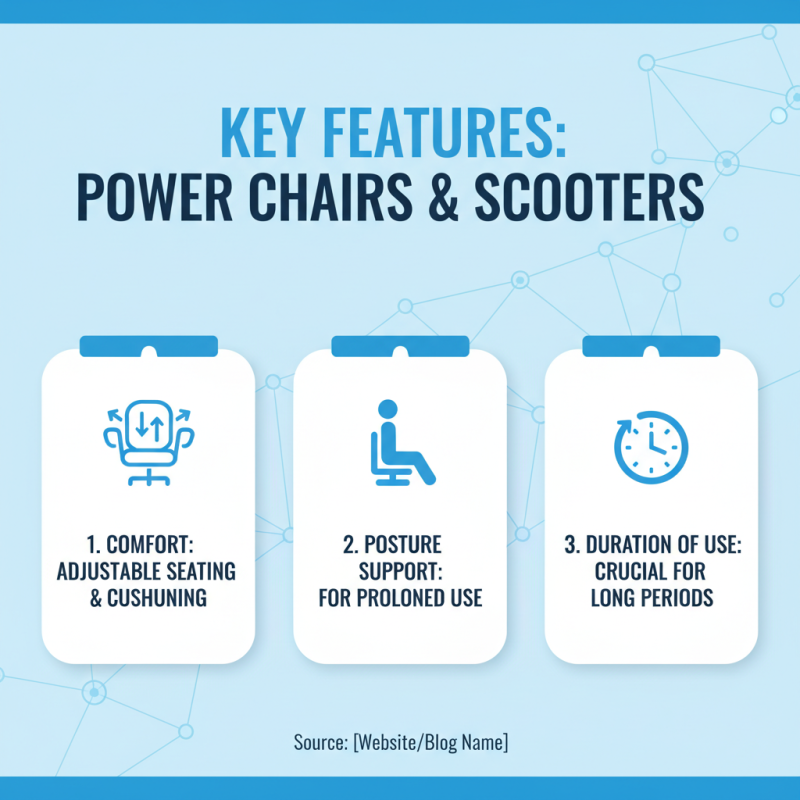
When selecting power chairs and scooters, numerous features come into play. Comfort should be at the forefront. Look for models with adjustable seating and ample cushioning. Consider how long you plan to use the chair. If it's for prolonged periods, a seat that supports your posture is crucial.
Battery life is another key aspect. A longer battery duration will allow you more freedom to explore. Choose a scooter or power chair with efficient energy consumption. It’s frustrating to be left without power mid-journey.
Tip: Always check weight capacity. Some models may not suit all users. Your safety depends on a chair that supports your weight effectively.
Also, think about portability. Will you need to transport your chair? Lightweight designs can make this easier. However, sturdiness shouldn't be compromised for portability. It is a delicate balance.
Tip: Test drive different models. Personal comfort varies widely. What feels great to one person may not be the same for another. Take the time to discover your precise needs.
The power mobility market is booming, with an estimated global worth of over $3.5 billion by 2025. This growth reflects a rising demand for mobility solutions among elderly and disabled populations. Innovative brands lead the charge, offering advanced features and user-centric designs. Research indicates that around 70% of consumers prioritize comfort and ease of use in their choices. These features enhance daily living and encourage independence.
When selecting a power chair or scooter, consider the terrain you'll navigate. Many models perform well on flat surfaces but struggle on uneven ground. Weight capacity is another critical factor. Ensure the chair supports your needs for long-term reliability. Battery life must also be evaluated, as a powerful motor without efficient energy use can lead to frustration.
Tip: Always test drive potential options. Feeling how a chair maneuvers can clarify whether it's a suitable fit. Also, consult user reviews for real-world insights. Some models have excellent specs but can disappoint in practicality. Remember, prioritizing your unique lifestyle will enhance your experience with mobility solutions.
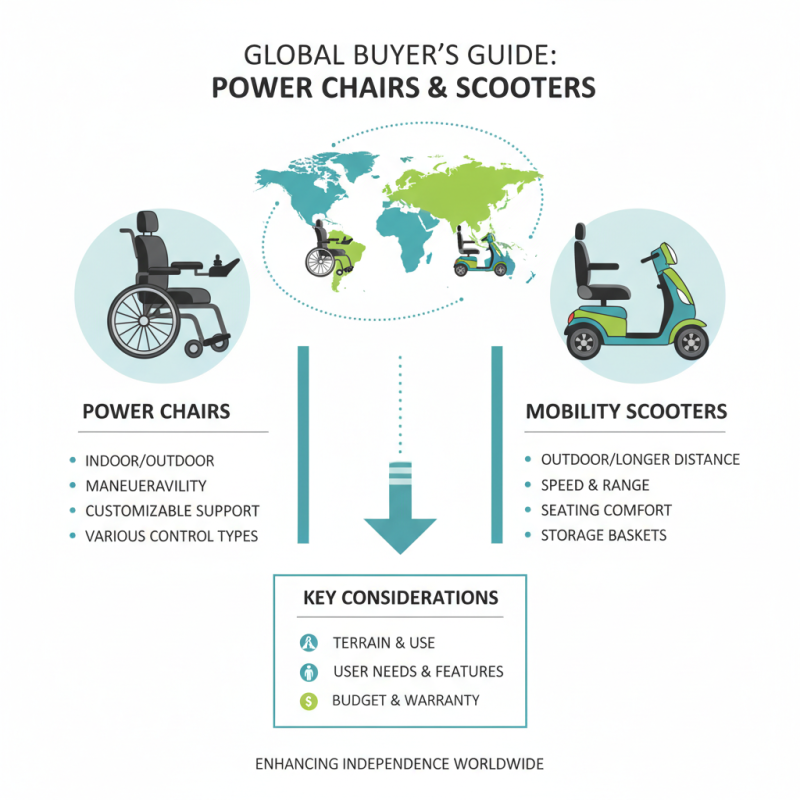
When considering mobility solutions, power chairs and scooters present distinct advantages. Power chairs are designed for users who need more support and comfort. They offer adjustable seating and precise control. Reports from the International Journal of Environmental Research show that power chairs can enhance the quality of life for individuals with mobility impairments.
Conversely, scooters provide a more compact form of mobility. They are typically more affordable and simpler to use. According to recent surveys, more than 60% of users prefer scooters for outdoor activities due to their ease of navigation. However, their design may limit indoor maneuverability, especially in tight spaces. Users often express challenges in finding the right balance between comfort and functionality.
In the end, both options have their merits. Understanding individual needs is essential. Some users find a power chair necessary for extensive use at home. Others may treasure the freedom a scooter provides outdoors. Adaptability and personal preference play crucial roles in choosing the right device. A closer look at specific user experiences can shed light on these choices, ensuring informed decisions.
| Type | Weight Capacity (lbs) | Speed (mph) | Range (miles) | Turning Radius (inches) | Weight (lbs) | Price Range (USD) |
|---|---|---|---|---|---|---|
| Power Chair | 300 | 5 | 15 | 24 | 150 | 1500 - 3000 |
| Scooter | 400 | 8 | 20 | 40 | 120 | 1200 - 2500 |
| Power Chair | 250 | 4 | 10 | 20 | 170 | 1000 - 2000 |
| Scooter | 350 | 6 | 15 | 50 | 100 | 900 - 1800 |
The global market for power chairs and scooters has seen significant changes. Research suggests that the demand for mobility solutions has increased by over 20% in the past two years. This growth reflects a consumer trend toward independence and improved quality of life. Pricing varies widely, influenced by factors like features, brand reputation, and geographic location. On average, power chairs are priced between $2,000 and $5,000, while scooters range from $1,200 to $3,500.
Availability is crucial for potential buyers. Many regions now have access to online retailers and local distributors, expanding choices. However, this also poses challenges. Some consumers report long waiting times for delivery. This can cause frustration. It's essential to research and compare options before making a purchase.
**Tip:** Always check for warranty and service options. Understanding post-purchase support can save future hassles.
Importantly, not all power mobility devices offer the same benefits. Features such as battery life and weight capacity vary. You may find some models lack adequate reviews or detailed specifications. This creates uncertainty for buyers.
**Tip:** Look for independent reviews and testimonials. They provide valuable insights into real-world performance. Seek advice from healthcare professionals when considering mobility options.
This bar chart illustrates the average pricing trends of power chairs and scooters across different global regions. The prices reflect the variety of mobility options available today, showcasing the differences in affordability and market accessibility.