
The 2026 carbon steel pipe market reflects a practical reality: no single pipe type fits every project. Seamless, ERW, LSAW, and spiral-welded pipes serve different pressure, diameter, and installation requirements. Buyers searching for carbon steel pipe for sale should examine more than price. Wall thickness, grade, outside diameter, end finish, coating, and test documentation can change the final value significantly.
The World Steel Association reported approximately 1.89 billion tonnes of global crude steel production in 2023. This enormous supply base supports broad pipe availability, but it also creates uneven quality between manufacturers. The U.S. Geological Survey’s Mineral Commodity Summaries continues to identify steel production and iron ore supply as major industrial indicators. These reports provide useful context, although they do not guarantee a specific pipe’s performance. That distinction matters.
“Steel is the backbone of modern society,” steel executive Lakshmi Mittal has stated. His observation remains relevant for pipelines, structural supports, water systems, and energy facilities. However, strength alone is not enough. A pipe may look flawless under warehouse lighting and still fail an inspection if its certificates are incomplete. Buyers should verify applicable ASTM, API, or EN requirements, hydrostatic testing, heat numbers, and traceability. An experienced supplier should explain these details clearly. Vague answers deserve caution.
This guide compares the leading carbon steel pipe types expected to attract attention in 2026. It considers practical applications, manufacturing methods, advantages, limitations, and purchasing risks. Market forecasts can change. Project conditions can change faster. That is the part many buyers underestimate.
Carbon steel pipe is an iron-based product with carbon as its main strengthening element. Manganese, silicon, and small residual elements may also affect performance. Its strength, affordability, and machinability support applications from structural frames to fluid transport.
Pipe classification usually begins with manufacturing method. Seamless pipe is formed from a solid billet and has no welded seam. Welded pipe is made from rolled plate or strip, then joined along its length. Each method has limits. Seamless pipe can handle demanding pressure conditions, while welded pipe often offers better size flexibility and cost control.
Wall thickness provides another practical classification. Schedule numbers indicate relative wall thickness, but they must match the pipe diameter. Thin-wall pipe saves weight, yet it may deform during handling. Thick-wall pipe provides greater pressure resistance and impact tolerance. It also increases weight and welding effort. Not every project needs the strongest option.
Engineers also classify carbon steel pipe by grade, outside diameter, end finish, and service temperature. Black surface pipe commonly has a mill scale finish, while galvanized or coated products add corrosion protection. Coatings are not universal solutions. Moisture, chemicals, soil contact, and temperature can shorten their useful life.
During inspection, verify dimensions, material certificates, weld quality, and surface condition. A small mismatch can create installation problems later. Pipe selection deserves a second look.

2026 Top Types of carbon steel pipe for sale?
Key Types of Carbon Steel Pipe Available in 2026
Carbon steel pipe remains important for water, construction, energy, and industrial transport. The World Steel Association’s October 2025 Short Range Outlook expects global steel demand to rise by about 1.3% in 2026. That modest growth still supports steady pipe demand, especially where strength and cost matter.
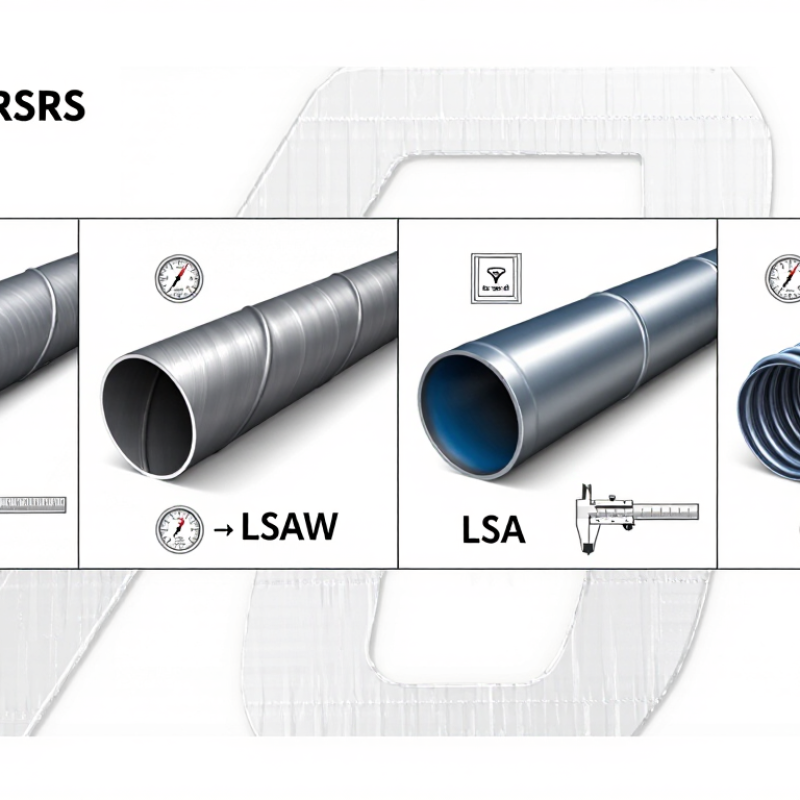
Electric resistance welded pipe is widely used for water lines, structural supports, and lower-pressure systems. It offers consistent dimensions and efficient production. Seamless carbon steel pipe suits higher-pressure service because it has no longitudinal weld. Buyers should still verify pressure ratings, wall thickness, chemistry, and testing records.
Large-diameter applications often use spiral submerged arc welded pipe. Its manufacturing process supports long lengths and infrastructure projects. Longitudinal submerged arc welded pipe is another option for demanding transmission and construction work. Galvanized carbon steel pipe adds zinc protection for exposed environments, but damaged coatings can become weak points.
Standards matter more than surface appearance. ASTM, API, and EN specifications define different requirements. The International Energy Agency’s World Energy Outlook 2025 also indicates continuing investment in electricity and energy infrastructure, supporting demand for durable pipe systems. Yet classification is not always tidy. A pipe may be welded, coated, and pressure-rated at the same time. This is where inexperienced purchasing decisions often fail. Records, inspection, and application conditions should guide the final choice.
Indicative commonly supplied outside-diameter ranges by carbon steel pipe manufacturing type.
Seamless and ERW pipes are commonly selected for general industrial, structural, and fluid-service applications. LSAW and SSAW pipes are widely used for large-diameter water, piling, and line-pipe projects. The displayed ranges are indicative commercial ranges; actual availability depends on the applicable specification, wall thickness, grade, and supplier. Reference framework: ASME B36.10M, ASTM A53, ASTM A106, and API 5L.
Carbon steel pipe selection begins with grade, size, and service conditions. ASTM A53 suits many general water, air, and structural applications. ASTM A106 is commonly chosen for seamless pipe in elevated-temperature service. API 5L grades support pipeline projects when the required specification permits them. These standards are not interchangeable. Check the purchase specification carefully.
Pipe size usually combines nominal pipe size, outside diameter, and wall thickness. Schedule 40 is common for moderate-duty systems, while Schedule 80 provides a heavier wall. Large-diameter welded pipe can reduce material costs on long runs. Seamless pipe offers different performance advantages, especially where forming and temperature requirements are demanding. A 6-inch pipe with a thick wall can weigh substantially more than its standard-wall version.
Manufacturing details affect reliability. Electric-resistance-welded pipe, submerged-arc-welded pipe, and seamless pipe require different inspection controls. Ask for heat numbers, chemical analysis, tensile results, and hydrostatic test records. Certificates matter. So does traceability. In practical purchasing, a clean surface can hide an unsuitable grade. That mistake is easy to make. Confirm dimensions against the applicable standard, then review coating, end finish, delivery length, and storage conditions. No grade fits every project. Even experienced buyers should recheck temperature, pressure, corrosion exposure, and welding requirements before approving an order.
Choosing carbon steel pipe starts with service conditions, not price or appearance. For steam, oil, and pressurized water, seamless pipe offers consistent strength and fewer weld-related concerns. ERW pipe can suit structural frames, low-to-moderate pressure lines, and general fabrication. Large-diameter spiral-welded pipe often serves water transmission and piling projects. Each type needs a different inspection plan.
Check the medium, design pressure, temperature, diameter, and required wall thickness. Then match the pipe specification to project codes, such as ASTM or ASME requirements. Schedule numbers describe thickness, but they do not replace pressure calculations. For outdoor systems, assess moisture, soil contact, and corrosion allowance. A coated pipe may still need careful surface preparation and compatible fittings. Fit matters. At the jobsite, measure ovality, wall thickness, end condition, and straightness before installation. Review heat numbers, mill certificates, and testing records for critical service. One common mistake is selecting by nominal size alone. It can cause poor flow, difficult welding, or unexpected weight. “Standard” pipe is a vague term. The fluid and operating cycle matter more. A practical choice may cost less, but only after safety margins and future maintenance are checked.
Buying Considerations for Carbon Steel Pipe in 2026
Carbon steel pipe remains practical for water, structural, energy, and process systems. The World Steel Association reported about 1.88 billion tonnes of crude steel production in 2024. That scale does not guarantee consistent pipe quality. Buyers must verify the mill, heat number, and inspection records.
Choose the pipe type from operating conditions, not price alone. Seamless pipe suits high-pressure service and demanding temperature cycles. Welded pipe can reduce cost for many structural and lower-pressure applications. Confirm grade, outside diameter, wall thickness, and length tolerances against the project specification. ASTM A53, ASTM A106, and API 5L requirements are not interchangeable. Small wording differences matter.
Corrosion deserves careful attention. Check fluid chemistry, temperature, flow speed, and insulation exposure before selecting a coating or wall allowance. The OECD’s Steel Market Developments reports continue to highlight volatile steel trade and production conditions, so delivery timing and price validity need written confirmation. Ask for mill test certificates, hydrostatic or nondestructive test results, and traceability from heat to bundle. Do not accept “equivalent” without engineering approval. That shortcut can become expensive. One imperfect assumption remains common: thicker pipe is not always safer, because poor fit-up, damaged coating, or unsuitable grade may still cause failure.